A Pre-Release Veto, Reviewable in Court
Senate Majority Leader John Thune, Commerce Committee Chairman Ted Cruz, and Senator Amy Klobuchar are negotiating a bill that would create a legal duty of care for companies building the most advanced AI models, requiring them to design products with the explicit goal of preventing catastrophic risks. The mechanism under discussion is unusual: the US government would gain the power to block release of a model it deems unsafe, with the developer able to challenge that decision only afterward, in federal court. Negotiators are still debating how much blocking power the government actually gets.
The bill names Google, Anthropic, and OpenAI as the companies whose most capable systems would be tested, specifically for whether a model could help a bad actor run a sophisticated cyberattack or design a biological or nuclear weapon.
A Different Mechanism Than the EU's
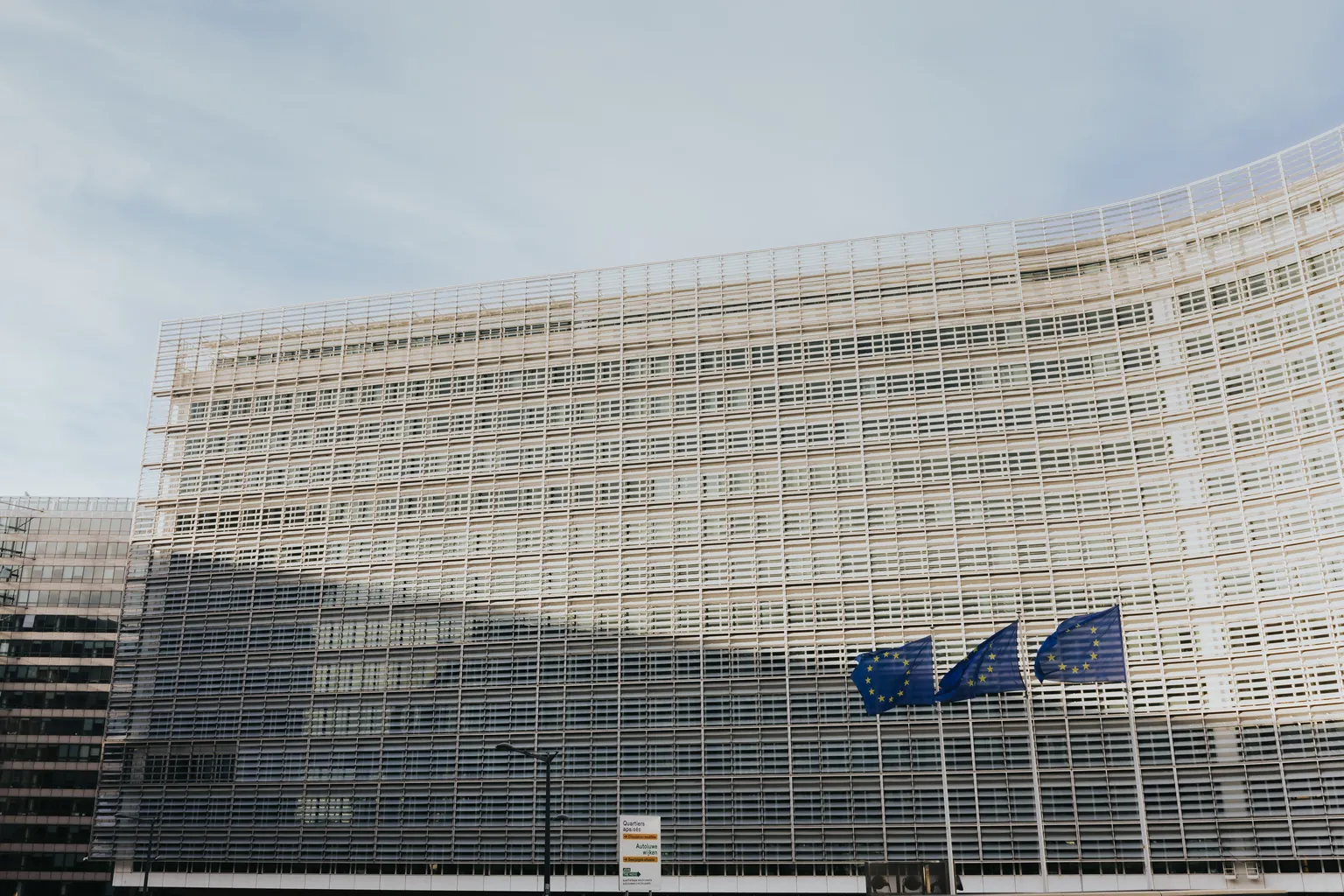
The EU AI Act does not work this way. Article 55 requires systemic-risk model providers to report serious incidents to the AI Office, and the Office runs conformity assessments and market surveillance, but it does not hold a standing power to block a model's release before it ships, backed by a court challenge only after the fact. What the Senate is negotiating is closer to a pre-market approval gate than anything currently operating in Brussels, a stronger tool on paper even as its scope stays narrower, limited to the handful of companies building frontier-scale systems.
What Gets Taken Away in the Same Bill
The proposal also includes a preemption clause that would block US states from enforcing their own AI laws, a provision that would override rules already in effect, including California's SB 1119 child-safety chatbot disclosure law. For an EU or UK company operating in the US, or watching how quickly its own AI vendors adapt to shifting rules, the practical takeaway is that even a bill built around a strong new federal power can simultaneously remove protections that already exist elsewhere in the same market. Passage is not close: the House sits for only one week before the November 3 midterms, the Senate for three, and negotiators have not settled the bill's core terms.
Read next: Trump's AI Accord Is Voluntary, So Contracts Matter | Florida Wants A Court To Freeze New OpenAI Models