OpenAI Wants The UK To Write Rules It Resisted In Brussels
OpenAI's head of policy for Europe, the Middle East and Africa, Tom Duff Gordon, called on the UK government to introduce binding AI legislation, Politico reported on September 14, 2026. He said the UK should "establish durable, mandatory, capability-based requirements" for the most advanced AI systems and urged ministers to "take advantage of this political window," a reference to Labour's 2024 manifesto pledge to legislate on AI safety that has so far gone unfulfilled.
The framework OpenAI is pushing ties obligations to what a system can do rather than who built it: mandatory evaluation of the most capable models, an independent assessment ecosystem, cybersecurity protections and incident reporting. It is written to catch a handful of frontier labs, OpenAI among them, while keeping smaller startups out of the heaviest rules, and it is the company's first public call for the UK specifically to legislate rather than rely on voluntary commitments.
Britain Regulates AI With Everything Except An AI Law
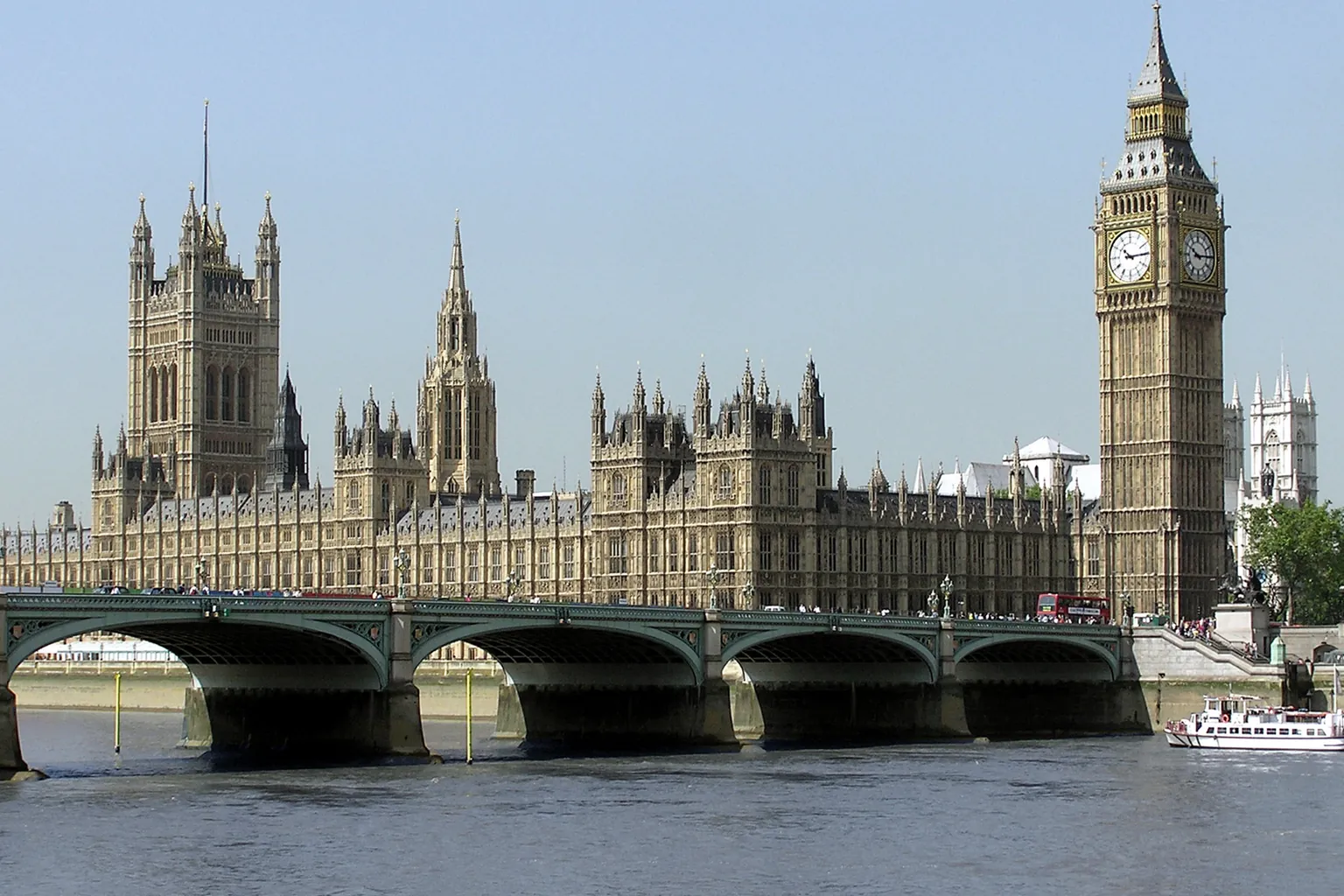
There is no single UK AI statute and no AI bill currently before Parliament. The Department for Science, Innovation and Technology published its Blueprint for AI regulation in October 2025, built around the AI Growth Lab, a set of sector sandboxes where existing rules can be relaxed under license rather than a new binding regime. Frontier systems are otherwise covered indirectly, through UK GDPR, the Data (Use and Access) Act 2025 and sector regulators such as the FCA, MHRA and Ofcom, which the government asked in January 2026 to each publish their own plan for enabling AI innovation.
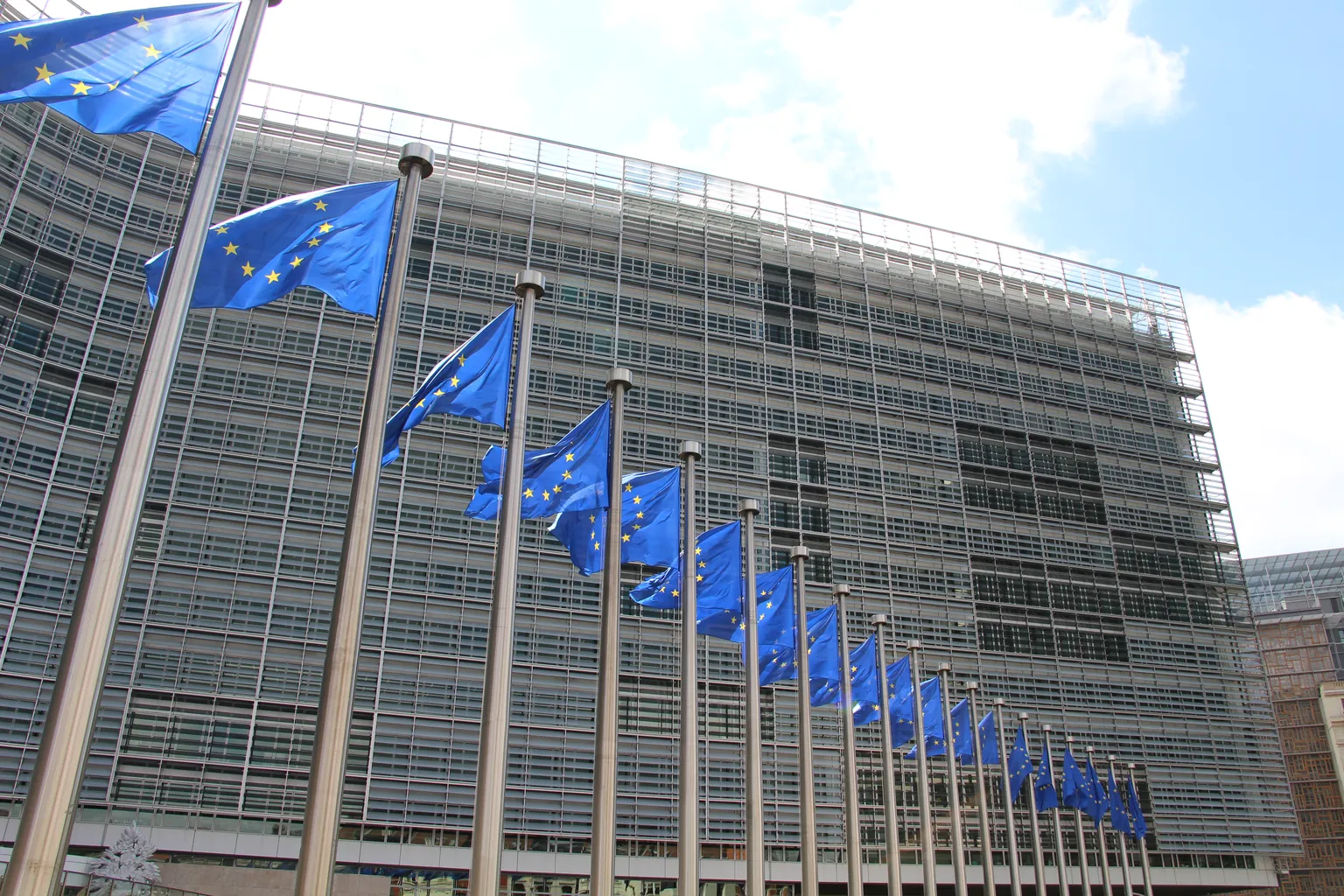
That patchwork is exactly what OpenAI is asking Parliament to move past. The contrast with Brussels is direct: the EU's General Purpose AI Code of Practice has bound GPAI providers, OpenAI included, since August 2, 2025, to publish a detailed summary of training data, assess systemic risk and cooperate with testing, a code the European Commission approved after input from nearly 1,000 stakeholders. The UK has adopted nothing comparable for any AI developer, frontier or otherwise.
This Is Not OpenAI Discovering Safety Principles
The more useful reading is that OpenAI is choosing its regulator before the UK decides one for itself. Writing capability-based, mandatory rules into UK law now, while a genuine political window is open, lets the company help calibrate language to frontier labs rather than risk Britain later importing the EU's stricter Code wholesale, or letting the Information Commissioner's Office harden AI enforcement unpredictably through case law; the ICO has already flagged transparency failures by AI developers as a specific area for future action.
The timing sharpens the point. This call lands the same week Anthropic's Dario Amodei, Google DeepMind's Demis Hassabis and OpenAI's Sam Altman are privately discussing a US industry-run testing and auditing body, modelled on the finance regulator FINRA, that Altman has said should exist "without the backing of the US government." A company arguing for binding, government-written capability rules in London while quietly building a self-selected testing club in Washington is not choosing transparency over speed. It is choosing, jurisdiction by jurisdiction, who gets to hold the pen.
Read next: A Government AI Evaluator Just Joined OpenAI's Board | AI Act Compliance Did Not Save Suno From GEMA