The deal that turned a miner into a landlord
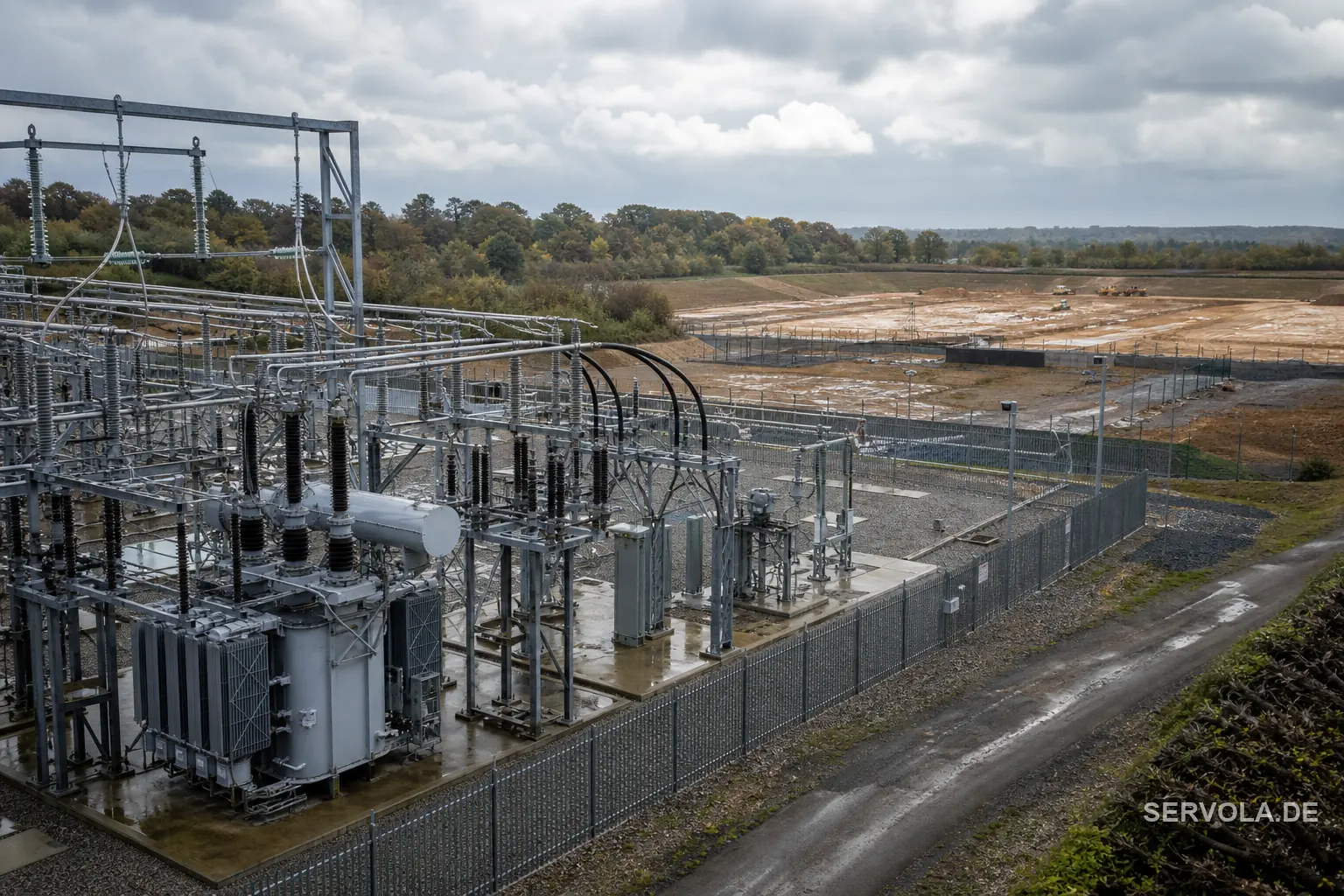
TeraWulf, a US company listed on Nasdaq that until this year was known for mining bitcoin, announced on 6 July that it had signed a 20-year lease with Anthropic. The agreement covers about 401 megawatts of critical IT load at its Justified Data campus in Hawesville, Kentucky, and the company expects it to generate roughly $19 billion in contracted revenue over the initial term. First power is due in the second half of 2027, with the full site running in early 2028.
On the same day, TeraWulf sold its 50.1 percent interest in the Abernathy joint venture, a 168 megawatt campus in Abernathy, Texas, to an investor group led by Fluidstack for about $530 million, monetizing a roughly $450 million investment and freeing capital to redeploy into wholly owned AI capacity. The $19 billion of contracted revenue is larger than TeraWulf's own market value of around $12 billion, and its shares jumped on the news.
Why the asset being locked up is power, not chips
For two years the AI shortage story was about graphics chips. The binding constraint has quietly moved to power and the land that can carry it. TeraWulf has sold nearly all of its bitcoin, plans to exit mining entirely this year, and is buying industrial sites to roughly double its power capacity. Sector analysts estimate that AI services could account for around 70 percent of listed miners' revenue by the end of 2026, up from about 30 percent at the start of the year. A 20-year lease anchored to megawatts is a very different business from selling hash power by the day.
The consequence is straightforward. A 20-year, single-tenant lease takes 401 megawatts off the merchant market for two decades, and every megawatt committed this way is one that cannot be rented by anyone else later. The party that controls powered, sited land captures a two-decade annuity, and the AI lab is paying for certainty of supply rather than the lowest spot price. That is the trade the whole sector is now making.
What a European operator should read into it
Kentucky is far away, but the pattern is not. European operators work with tighter grids, slower interconnection queues and higher power prices than the US Southeast, so the same logic, lock power early and on long terms, arrives here with less headroom to absorb it. The compute you plan to rent in 2027 or 2028, and pay for in euros or pounds, is being pre-committed now by labs willing to sign 20-year deals for it.
The practical move is to treat compute capacity the way you treat power: something with a lead time measured in years, not a spot purchase you make when you need it. Ask your cloud or colocation provider what is actually contracted rather than merely planned, and whether the capacity you are counting on for a 2028 workload is already spoken for. The lesson from a bitcoin miner becoming an AI landlord is that the supply is being booked well ahead of the demand.
Read next: Anthropic's Compute Bet Was Hidden Across Six Contracts | The Cities That Built Europe's Cloud Are Now Stuck