What Disney is actually arguing
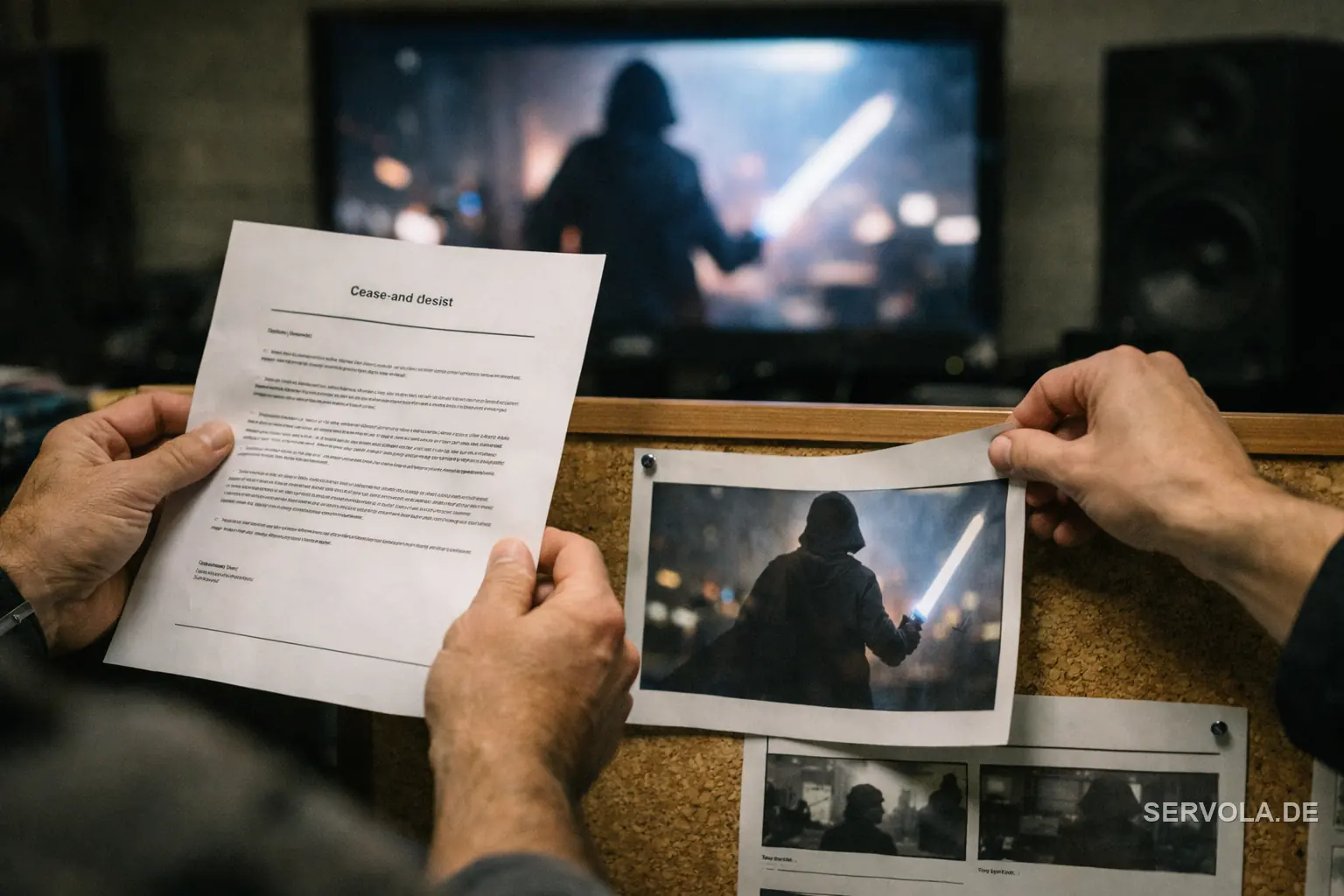
The Walt Disney Company and Paramount have moved against ByteDance over Seedance, its AI video model, accusing it of shipping with a pirated library of copyrighted characters from Star Wars, Marvel, and other franchises. The cease and desist letters describe Seedance generating Spider-Man, Darth Vader, and Grogu on demand, as if the intellectual property were free clip art. ByteDance has said it will strengthen safeguards on the tool.
The important detail is where the studios are pointing. They are not only arguing about what the model was trained on, which is a slow and contested question. They are pointing at the output: specific generated videos that reproduce protected characters. That shifts the fight from the lab to the thing the user actually publishes.
Why this is a deployer problem, not just a vendor problem
It is tempting to read this as a fight between a studio and a model maker. It is not only that. The moment a company uses a generative tool to produce marketing, product, or brand content, the output becomes that company's published work. If the asset reproduces someone else's protected character, logo, or likeness, the company that published it is exposed, regardless of which model produced it.
The model did it is not a defense a rights holder has to accept. Courts look at the published result and the party that published it. For serious companies adopting generative AI across creative and marketing functions, that turns an efficiency tool into a legal surface that has to be governed like any other source of published content.
What a serious company should do now
Start with provenance. Know what your generative tools were trained on, what the vendor indemnifies, and where the tool can reproduce protected work on a simple prompt. Many enterprise tools now offer IP indemnities and licensed training data; many consumer tools offer neither. Which one your teams are quietly using is the first thing to find out.
Then put a control between the model and the channel. A generated asset should pass a check for protected characters, marks, and likenesses before it reaches a customer-facing surface, the same way published copy passes legal review. Done early this is a workflow step. Done late it is a cease and desist with your company's name on it.
Read next: AI Act Compliance Did Not Save Suno From GEMA | Newspapers Sued Over AI Training. The Number Was Filed by Microsoft.