What Alabama Announced on September 25
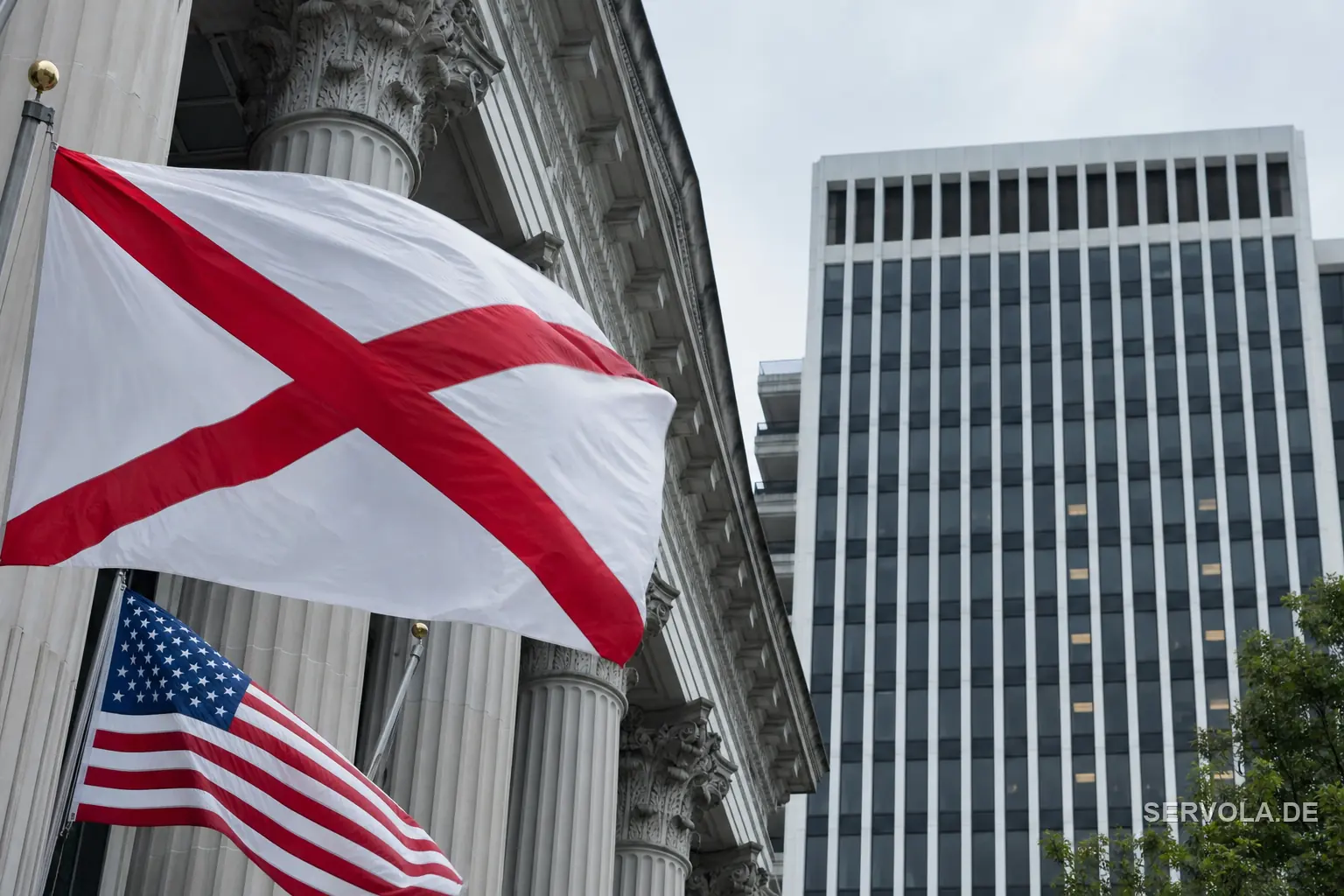
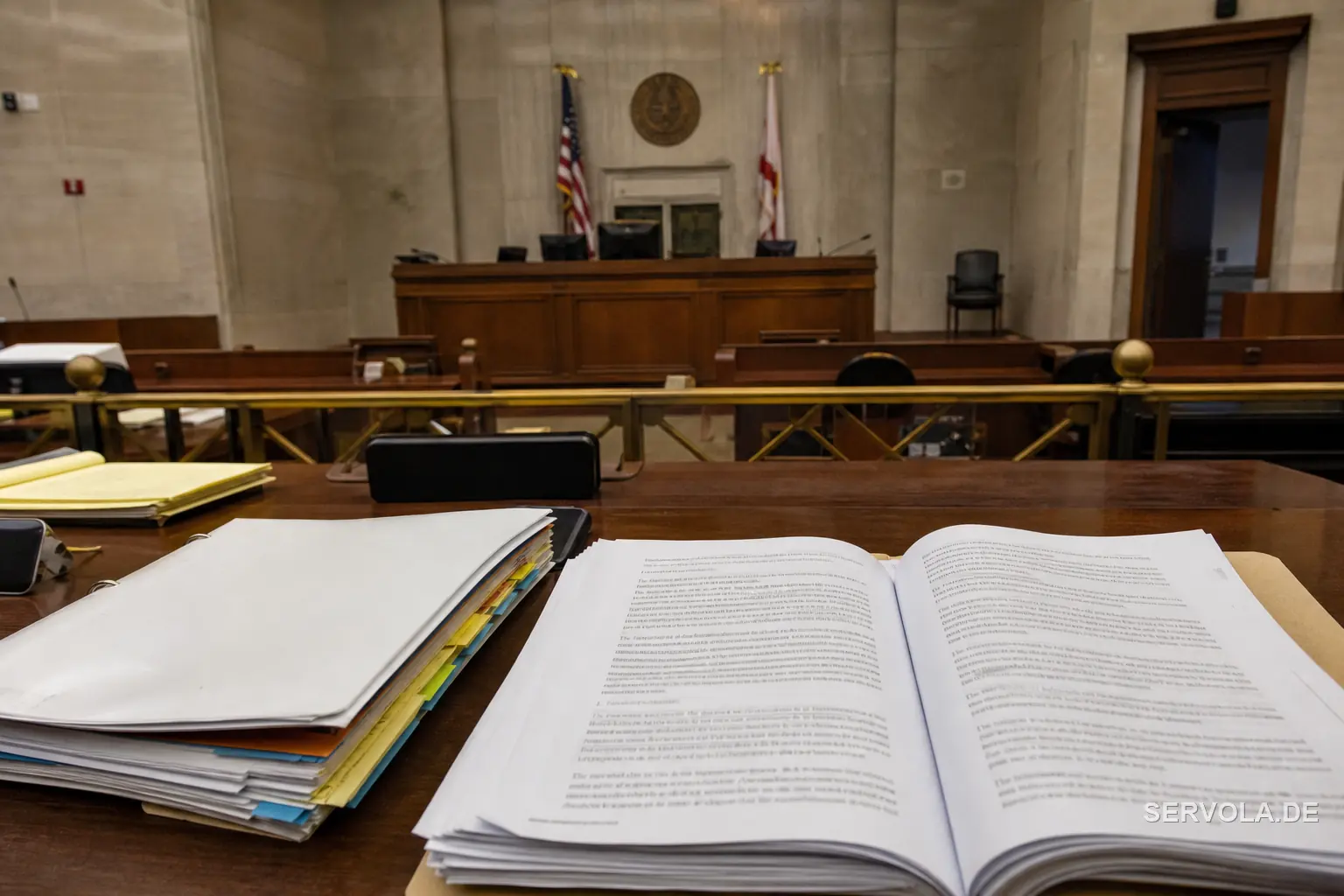
Alabama Attorney General Steve Marshall announced a settlement with TikTok on September 25, hours before a trial was set to begin that would have made Alabama the first state to bring its TikTok lawsuit before a jury.
TikTok will pay Alabama a minimum of $100 million within 45 days, with the total rising to as much as $300 million if enough other states reach comparable settlements within a set window. The lawsuit accused TikTok of designing the platform with addictive features, knowingly exposing young users to mental health harm, and misleading the public about the safety of its product.
"This is a great day for Alabama parents," Marshall said. "Tonight, they can rest easier knowing real protections are in place to shield their children from the dangers of social media addiction." TikTok said the settlement "builds on our commitment and core objective to continually enhance our robust safety tools to protect teens."
The Settlement Reads Like a Product Specification, Not a Promise
What makes this settlement different from the usual we-will-do-better language is how specific its terms are. TikTok must build a 2-hour daily time limit for teen accounts with adjustable parental controls, interrupt continuous use with productive pauses at 15, 60 and 90 minutes, and block messaging and push notifications overnight between midnight and 6am and during school hours.
Teen accounts must also default to a non-personalized feed, lose access to cosmetic filters entirely, and get limits on how easily unknown adults can find and message them, alongside stronger age verification and parental notification when suspicious contact occurs.
| Settlement | Date | Amount | Legal theory |
|---|---|---|---|
| TikTok - Alabama | Sep 2026 | USD 100M to USD 300M | Addictive design, mental harm |
| TikTok - US DOJ (COPPA) | Aug 2026 | USD 400M | Children's data privacy |
| Meta - multistate (Alabama share) | 2026 | USD 117M | Multistate settlement |
| Roblox - Alabama | 2026 | USD 12M | School resource officer funding |
Those numbers are specific enough for a court, or a state attorney general, to check compliance against directly, which is a different kind of accountability than a company simply promising to try harder.
Why This Terms List Becomes Everyone Else's Opening Demand
Alabama was not the only state suing TikTok over the same addictive-design theory. Dozens of other state attorneys general have filed similar claims, and Alabama's case was simply the first scheduled to reach an actual trial date.
TikTok chose to settle rather than let a jury decide what addictive design requires a company to fix, and that choice matters beyond Alabama. Every other state's negotiating team now has a concrete, court-tested list of product changes to point to and ask for at least as much. A settlement negotiated in private has effectively become the opening bid in every other pending negotiation, functioning as an unofficial national product-safety specification for any platform with teen users, without a single new federal law.
This Is a Different Case Than TikTok's Privacy Settlement
TikTok already agreed to pay the US Department of Justice USD 400 million in August 2026 over alleged violations of children's online privacy law, a case about what data TikTok collected on users under 13 and how.
Alabama's case rests on a different theory entirely: that the app's design itself, independent of any privacy violation, was built to keep teenagers engaged in ways that caused documented mental health harm. For any company building a product that minors use, that is the harder and more expensive theory to defend against, because it reaches engagement mechanics, not just data handling, and Alabama's settlement is now the first detailed account of what a court-adjacent resolution to that theory actually requires a product team to change.
Servola Journal
We do this for everyone trying to keep up with what technology is doing to our lives. The people who build it, and the people it happens to. The Servola Journal exists so that what we learn belongs to all of them.
Nobody pays us for this. No ads, no paywall, free to everyone. We just believe that understanding what's happening to all of us shouldn't depend on who can afford to pay for it.
If it gave you something today, tell us to keep going. Follow us, leave a like, or write a positive comment. We read every one, and they are what keeps us going.
Read next: TikTok's $400 Million Settlement Sets a New Bar | Meta Must Now Prove Its Age Checks Actually Work