Tokens as Rewards, Not a Subscription
Moonshot AI, the startup behind the Kimi chatbot, launched a credit card with Agricultural Bank of China and American Express that pays cardholders in AI tokens instead of cash-back or airline miles.
Rest of World reported that China Merchants Bank followed in June 2026 with its own credit card aimed at AI developers, offering as much as 1.8 billion tokens in subsidies over the card's rewards cycle, while Shanghai Pudong Development Bank issued a competing developer card worth up to 3 billion tokens. Both cards give holders direct access to MiniMax's models and Alibaba's Qwen family as a card benefit, rather than pointing them to a separate app subscription. The design choice is the story: a bank is not selling AI here, it is giving tokens away as the reward for spending on something else entirely.
Phone Plans Priced in Tokens, Not Minutes
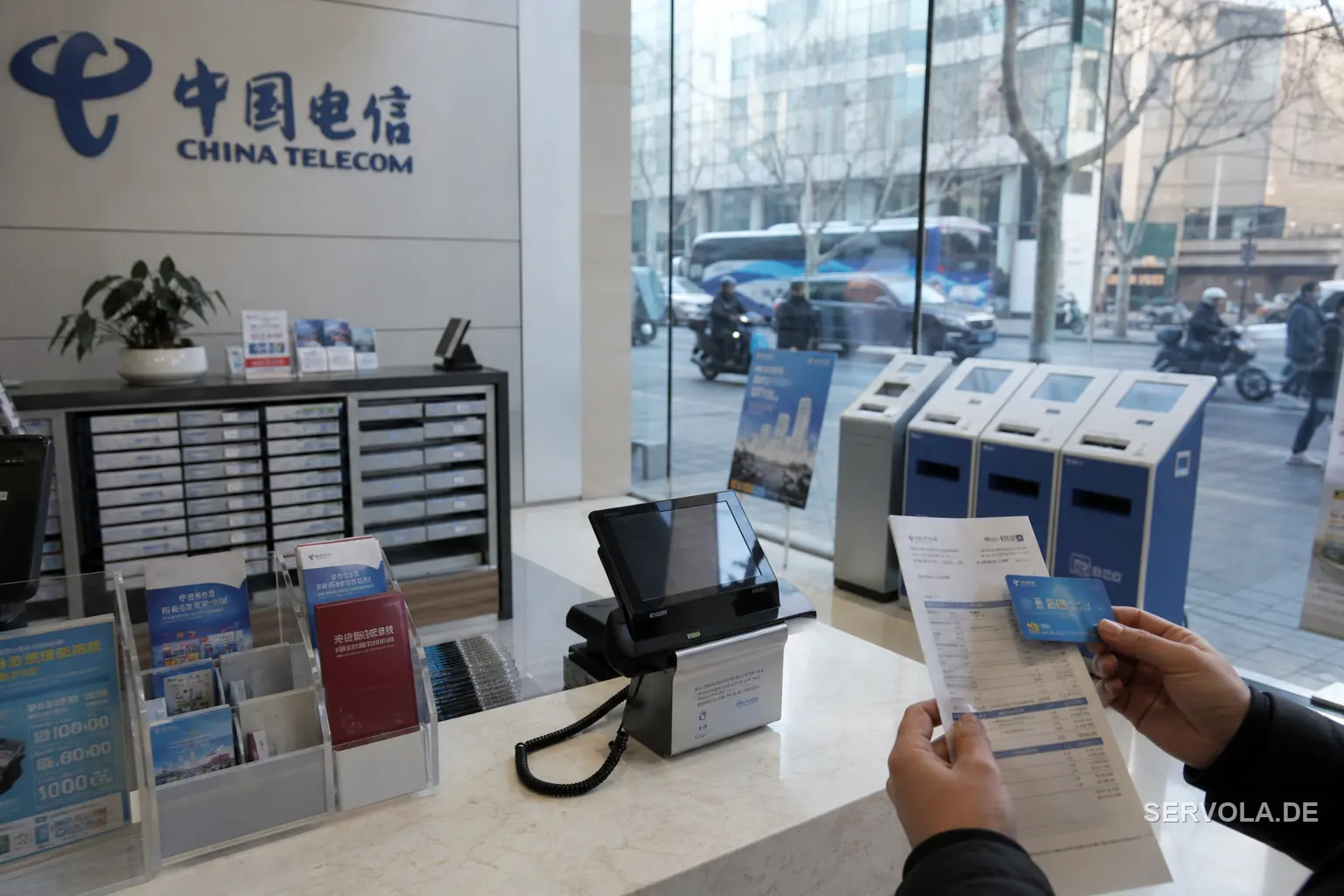
China Telecom, China Unicom, and China Mobile have started selling phone plans that meter AI tokens the same way carriers once metered voice minutes and data allowances.
Light Reading reported that China Telecom's developer and small-business bundles run from 39.9 yuan to 299 yuan a month, roughly EUR 5.50 to EUR 41, while its family plans span 9.9 yuan to 49.9 yuan, about EUR 1.35 to EUR 6.80, and connect to the carrier's own Xingchen model as well as DeepSeek. Rest of World separately reported a China Telecom personal tier priced at 9.9 yuan a month for 10 million tokens. China Unicom bundles token access with connectivity and security in one plan priced the same way, 9.9 yuan to 49.9 yuan a month, with token limits stretching from 10 million to 80 million. China Mobile took a partnership route instead, working with Tencent, Alibaba, Huawei, ZTE, and iFlytek to roll its token plans out province by province, starting in Beijing, Jiangsu, and Guangdong.
| Provider | Product | Monthly price | Token allowance |
|---|---|---|---|
| China Merchants Bank | AI developer credit card | card rewards, no separate fee | up to 1.8 billion tokens |
| Shanghai Pudong Development Bank | AI developer credit card | card rewards, no separate fee | up to 3 billion tokens |
| China Telecom | Developer and SME bundle | 39.9 to 299 yuan | usage-based, includes Xingchen and DeepSeek access |
| China Telecom | Family plan | 9.9 to 49.9 yuan | usage-based |
| China Unicom | Token, connectivity and security bundle | 9.9 to 49.9 yuan | 10 million to 80 million tokens |
The Retail Perk Layer
A Beijing venue called AGI Bar already hands out unlimited access to DeepSeek's V4 Flash model to anyone who buys a drink, turning an AI session into the same kind of add-on a cafe once offered with free wifi.
Rest of World reported that a dumpling restaurant identified as Jingu Yuan issues 10 yuan of computing credit to diners after a meal, and a coffee shop in Changsha hands out AI tokens alongside its coffee purchases. In Guangzhou, lenders have begun issuing what Rest of World called token loans, financial products that measure a company's token production and consumption the way a conventional loan measures inventory or receivables. None of these are standalone AI products. Each one repurposes an AI token as the free extra bolted onto a purchase the customer was already making.
The Cost Collapse Underneath the Giveaway
None of this bundling would be possible without the price of an AI token in China having fallen close to zero, and Rest of World reported that Chinese models now cost 60 to 90 percent less to run than comparable US systems.
That collapse shows up in the volume figures. Rest of World reported China's daily AI token consumption reached roughly 500 trillion by mid-2026, up from about 100 billion in early 2024. Light Reading separately reported daily consumption topping 140 trillion in March 2026 alone, itself up 40 percent since the start of that year. DeepSeek's pricing model gets credited with starting the collapse, and rivals including MiniMax and Alibaba's Qwen followed it down, which is why a bank card or a phone plan can now afford to give tokens away rather than meter them by the API call.
The Decision for a European Bank or Telecom
The real consequence for a European operator is not that Chinese consumers are getting free AI, it is whether that operator's own AI cost stack could ever collapse far enough to bundle the same way.
A European telecom such as Deutsche Telekom or Orange, and a European bank issuing cards through Visa or Mastercard, still buy inference capacity from US hyperscalers priced by the token, the same metered model Chinese banks and carriers have already bypassed for their own customers. A bank or telecom that cannot bring its own inference costs down remains structurally locked into selling AI as a metered subscription long after tokens became a Chinese loyalty perk, because bundling requires a cost base cheap enough to give away, not just a marketing decision to try it.
Read next: Washington Names Six AI Models You May Already Run | DeepSeek Raised Prices 4.5x and Its Customers Stayed