What the CMA actually proposed
On 30 June 2026 the Competition and Markets Authority launched consultations on new conduct requirements for Apple and Google under the UK Digital Markets Competition Regime, having concluded three Strategic Market Status investigations. The legal foundation was laid earlier: both companies were designated with Strategic Market Status in mobile platforms, Google in October 2025, which is precisely what gives the regulator power to impose bespoke rules on each firm.
Two proposals matter most for operators. The first is a steering requirement that would let UK app developers direct customers to payment options outside the app store, bypassing the mandatory commission. The second is a potential requirement to grant developers access to iOS NFC functionality, the short-range radio that powers contactless. The CMA has set consultation deadlines of 21 July 2026 for the NFC requirement and 28 July 2026 for the steering conduct requirement.
Why steering changes the math on every app sale
The steering requirement targets the single largest line item in mobile commerce economics: the platform commission. Today a developer selling a subscription or digital good through an app store surrenders a fixed cut on each transaction. Steering would let that developer point the customer to an off-platform checkout, and the CMA has explicitly said it expects any residual steering fee to be lower than current app-store charges.
For an owner running the numbers, that is not a rounding difference. On a product with thin margins, moving even part of the payment flow off-platform can restore several points of contribution per sale. The strategic question is not whether the saving exists but how much of it survives once you account for the friction of an external checkout, the higher payment-failure rate off-platform, and the customer-support cost of a less seamless flow.
NFC access and the fintech land grab
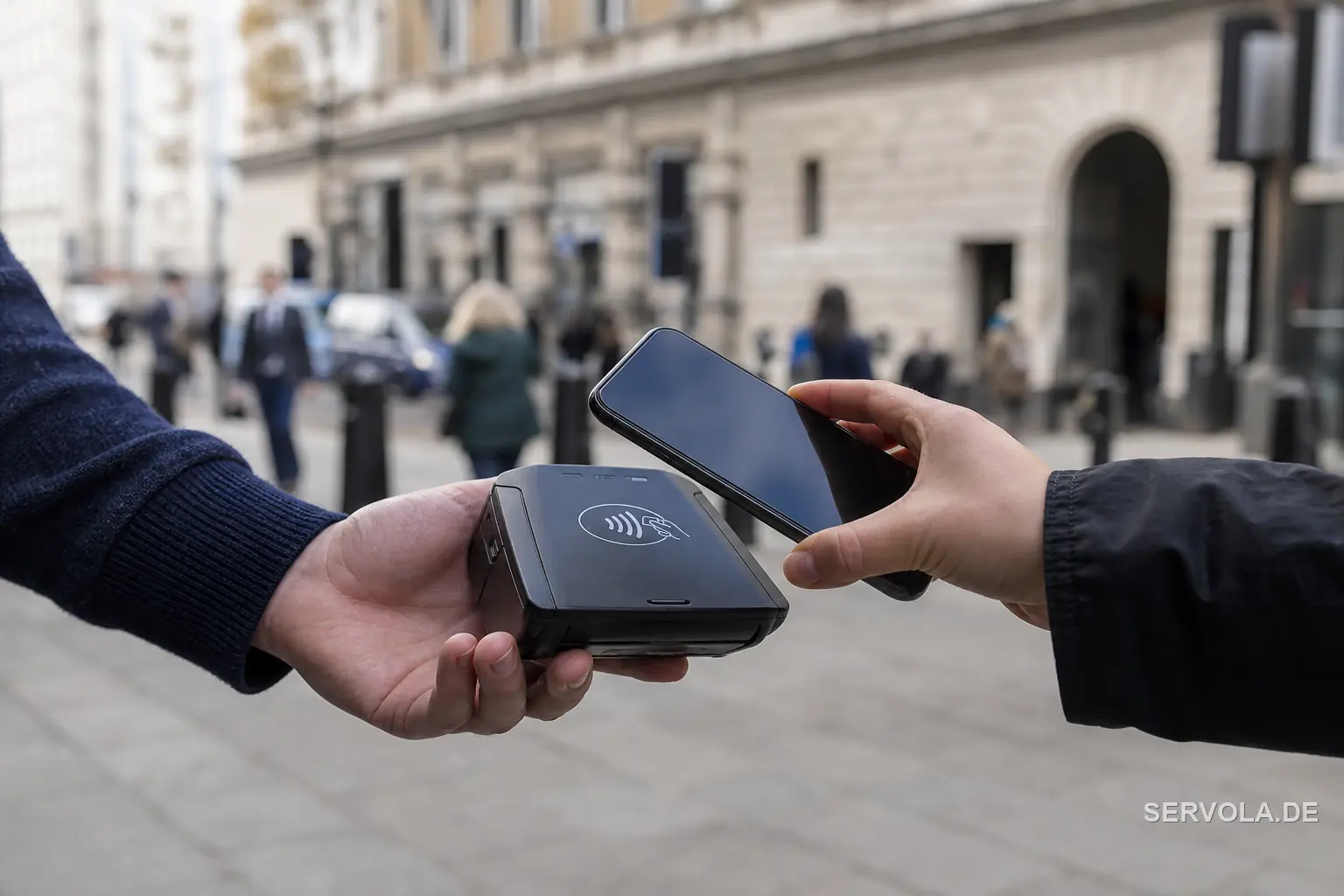
The NFC proposal is narrower in scope but potentially larger in consequence. Apple has long reserved iOS NFC for its own wallet, so a bank, retailer or fintech could not build a tap-to-pay experience that bypassed it. Opening that functionality would let developers support contactless payments, digital currencies and digital identity directly from their own apps.
For financial-services operators this is a rare structural opening. A bank that can own the tap on a customer phone owns the moment of payment, the data trail and the brand impression, rather than renting them from a platform wallet. The winners will be firms that already have a licence, a ledger and a reason for the customer to reach for their app at the till, not those hoping NFC access alone will manufacture demand.
The move that owners should make this month
The consultation windows close in July, and while final rules will take longer, the direction of travel is now clear enough to plan against. Treat this as a pricing and product event, not a legal footnote. Model your app economics under a scenario where the platform commission drops toward a low steering fee, and identify which products would become viable, or worth relaunching, at the new take rate.
Owners with a UK footprint should also weigh whether to submit to the consultation itself, because the fee level and the NFC access terms are still being shaped and a well-argued operator submission carries weight. The larger lesson is that the UK regime is now willing to intervene at the level of individual conduct rules, which means the platform terms your business has treated as fixed infrastructure are becoming a moving, and negotiable, cost base.
Read next: Publishers Want AI Chatbots Kept Off Google Remedy | Klarna Cut Guidance the Day Its CFO and CMO Left