A Round With a Government Already in the Room
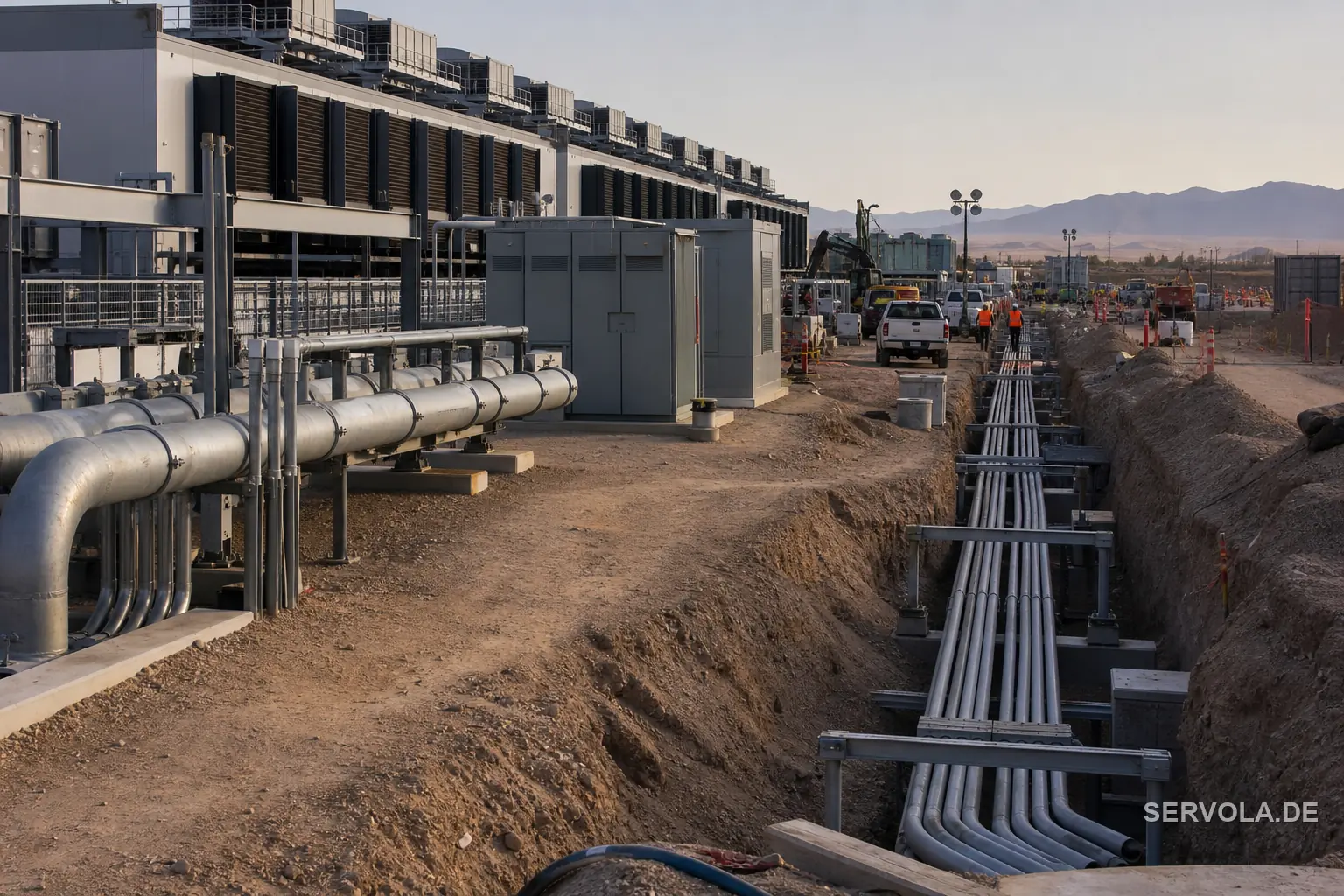
Cohere is in advanced talks to raise $2 billion to $3 billion at a valuation of roughly $20 billion, up from $7 billion a year earlier, according to the Globe and Mail. Canada's federal government is already a stakeholder in Cohere's growth: in late 2024, Ottawa committed up to $240 million toward a multibillion-dollar data centre for the Toronto-based company, the first project funded under Canada's $2 billion AI infrastructure program, built with Nvidia GPUs through data-centre operator CoreWeave. That earlier funding came with a public rationale from Deputy Prime Minister Chrystia Freeland, who said the government was providing support to help Cohere attract private capital, not to replace it.
Non-government money is expected to make up most of the new round, and the deal is not finalized; the Globe and Mail reported that timing could slip past a first close next week because of overlapping events including the Canada Investment Summit and the Milken Institute Global Dialogues.
A Second Government Wants In
Germany's government is reportedly weighing a stake in the same funding round that Canada's government is expected to join, the Globe and Mail reported. Neither government has disclosed the size of stake it is discussing, and the report did not name a specific German ministry or fund. What is notable is the structure taking shape: two national governments considering a financial position in one privately held AI company at the same time, on top of Canada's existing $240 million commitment from 2024.
| Event | Date | Detail |
|---|---|---|
| Canadian data-centre funding | Late 2024 | Up to $240 million from Ottawa, first project under Canada's $2 billion AI infrastructure program |
| Prior valuation | September 2025 | $7 billion |
| Funding round in talks | September 2026 | $2-3 billion at roughly $20 billion valuation, Canada and Germany both reportedly weighing participation |
The Pitch Is Independence From a Few Companies
Cohere founder and chief executive Aidan Gomez has framed the company's mission in terms of exactly this kind of concentration risk. "There has been a gradual loss of diversified dependence, ceded to a handful of massive technology conglomerates," Gomez wrote, according to the Globe and Mail's reporting. That framing is the commercial case Cohere makes to enterprise and government customers: fewer dependencies on the small set of US hyperscalers that dominate AI infrastructure. It is also, on the evidence of this round, proving persuasive to national governments deciding where to place a sovereignty bet of their own.
Whose Sovereignty Does a Two-State Vendor Serve
A government that takes a financial stake in an AI vendor is usually making an implicit sovereignty argument: this company reduces our dependence on foreign technology providers. That argument gets harder to make cleanly once a second government is placing the same bet on the same company. Canada's stake and Germany's prospective one are not presented in either report as coordinated, and a minority financial position does not typically carry governance rights, data-residency guarantees, or preferential access, the kind of commitments that would normally accompany a genuine sovereignty claim.
For a European enterprise or public-sector buyer evaluating Cohere as a sovereign alternative to US hyperscale AI, the practical question is not who owns equity in the company but what contractual guarantees on data location, model control, and continuity of service actually come attached to a commercial contract, regardless of which governments hold shares. Capital from Ottawa and, potentially, Berlin signals confidence in Cohere's prospects; it does not by itself answer that question.
Read next: Nvidia and Palantir Call It Sovereign, Germany Already Said No | Same AI Coding Pitch, $43 Billion Apart in Price