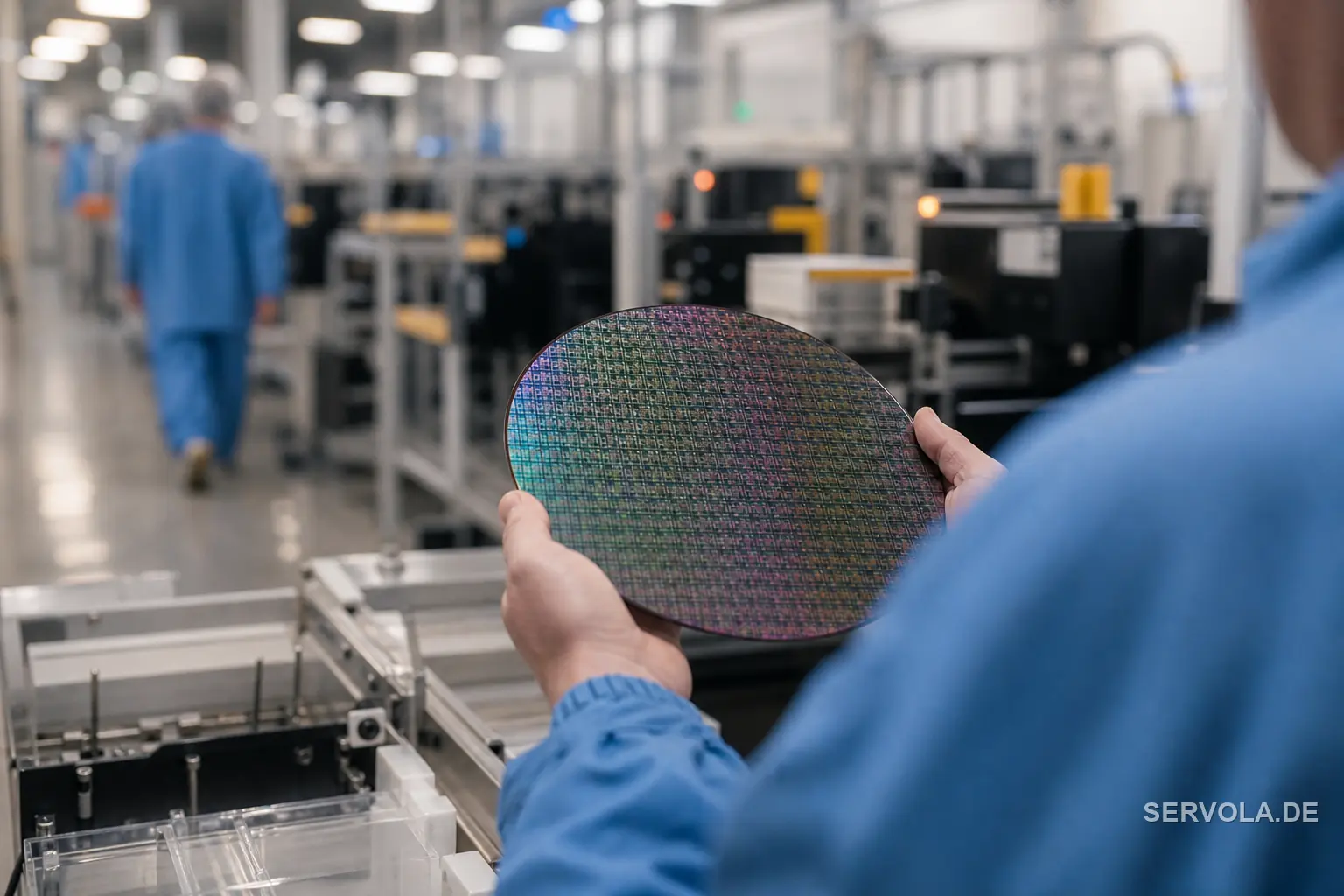
What Brussels proposed on 3 June
On 3 June 2026 the European Commission presented Chips Act 2.0, a successor to the 2023 law that mobilised more than 52 billion euros in public and private investment and created roughly 46,000 jobs. Europe still accounts for under 10 percent of global semiconductor production, and the Commission expects the market to reach 1.37 trillion euros by 2030, with AI components driving about 70 percent of that growth.
The proposal keeps four priorities: better investment conditions with permitting capped at twelve months, demand accelerators that link chipmakers to the industries that buy them, supply-side state aid for First-of-a-Kind projects, and a business-to-business supply-chain platform. It now enters the European legislative process, so the text will change before it binds anyone.
From a subsidy race to an ecosystem play
The 2023 Chips Act carried a headline ambition of 20 percent of world production by 2030, and it was read as a cheque-writing contest with Washington and Taipei. Industry bodies pushed back that money alone builds fabs, not competitiveness. DIGITALEUROPE framed the sequel as a move from subsidies to ecosystem strength, and that framing is the real story.
Chips Act 2.0 leans on demand, permitting speed, and resilience rather than headline grants. That is a quieter promise, but a more honest one, because a fab with no committed buyers is a stranded asset. For a company that consumes chips rather than makes them, the demand-accelerator and Strategic Projects language matters more than any subsidy figure.
Why this lands on your procurement desk
Most owners will never build a wafer plant, so it is tempting to treat this as someone else's policy. That is the mistake. When Brussels designates Strategic Projects and stands up a supply-chain platform, it is deciding which suppliers get priority access and which dependencies count as strategic risk. Your bill of materials sits inside that map whether you track it or not.
The resilience push means mapping and disclosure duties will flow downstream, the way the Cyber Resilience Act already pushed security obligations onto hardware vendors. If you buy industrial controllers, edge devices, or AI accelerators, the question is no longer only price and lead time. It is where the part is fabricated, and whether that origin is about to be reclassified as a dependency you must reduce.
What to do before the text is final
Start by mapping your own silicon exposure: which products depend on chips from a single region, and what a six-month shortage would cost you. That inventory is useful no matter how the law lands, and it is the input every resilience rule will eventually ask for.
Then watch the demand-accelerator and Strategic Projects provisions specifically, not the subsidy headlines. Those are the clauses that decide supplier priority and reporting duties. Owners who read the plumbing rather than the press release will be quoting lead times while competitors are still reading about the grants.
Read next: The Chip Behind Every AI Rack Gets a Second Source | Europe's Chip Sovereignty Win Is the Boring Silicon