The Largest Series C A European Space Company Has Closed
The Exploration Company (TEC) announced on September 8, 2026 that it had closed a $450 million Series C round, which it and its investors describe as the largest Series C any European space company has ever raised. Bessemer Venture Partners, Atomico and the EQT-managed Scaleup Europe Fund co-led the round, with Bessemer partner Alex Ferrara joining TEC's board; existing backers Balderton, Plural, Cherry and Red River West also returned. The new money brings the company's total funding to roughly $680 million.
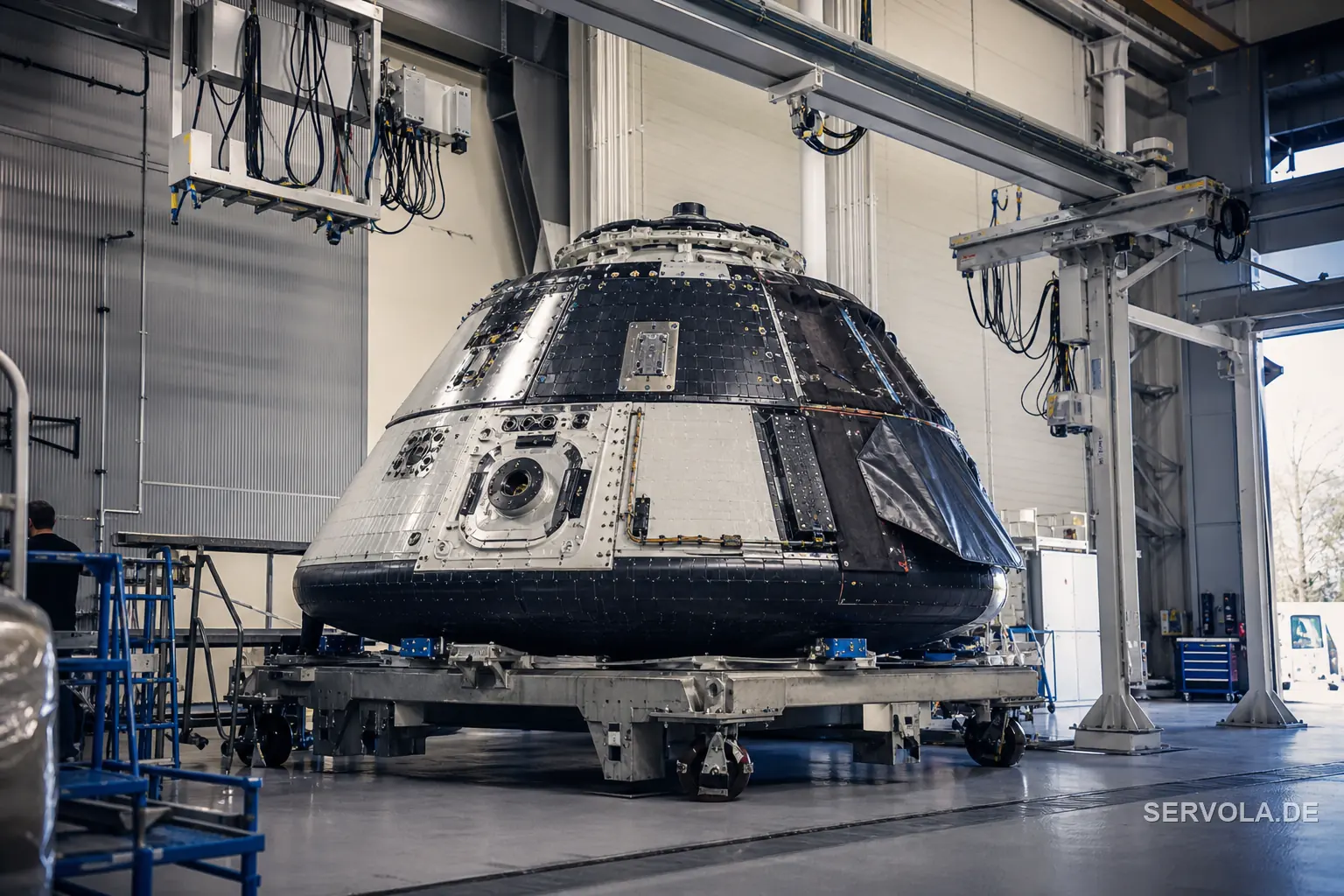
TEC is led by Hélène Huby, a former Airbus and ArianeGroup executive of two decades, and operates across Germany, France, Luxembourg, Spain and Italy - a genuinely pan-European structure rather than a single national champion. Its two programs are Nyx, a reusable orbital capsule built to carry cargo and eventually crew, and Storm, a rocket engine under development for the launcher that will eventually carry Nyx to orbit on Europe's own hardware.
The Contracts Came Before The Capital
What makes this round different from most European deep-tech raises is the order events happened in. TEC says it already has ten Nyx missions booked and more than $2 billion in contracts and commitments, with the European Space Agency and NASA named as partners, before closing the funding that will let it build the vehicle those contracts depend on. Huby says the next money is earmarked for a launch pad and the rocket itself: "Where we need more money is to build a launch pad, and to build the rocket itself."
That sequencing is the real signal for any European industrial buyer thinking about orbital cargo access. TEC's near-term target is a Nyx docking with the International Space Station and a safe return to Earth by November 2028, competing directly with SpaceX's Dragon capsule; Germany's Isar Aerospace has already flown Europe's first commercial orbital rocket, and US rival Stoke Space is separately raising $1 billion. None of that guarantees TEC succeeds where dependence on a single US launch provider has been the default for a decade. But a $450 million round built on booked revenue, not a pitch deck, is the first sign that European capital is willing to fund the hardware for an alternative before the alternative is fully proven - worth watching if your own supply chain has ever had to wait on one company's launch manifest.
Read next: A Japanese Buyer Has Priority on Europe's New Rocket | Norway Just Put Europe in Orbit Without SpaceX