A Fifth Heatwave, Now Realized
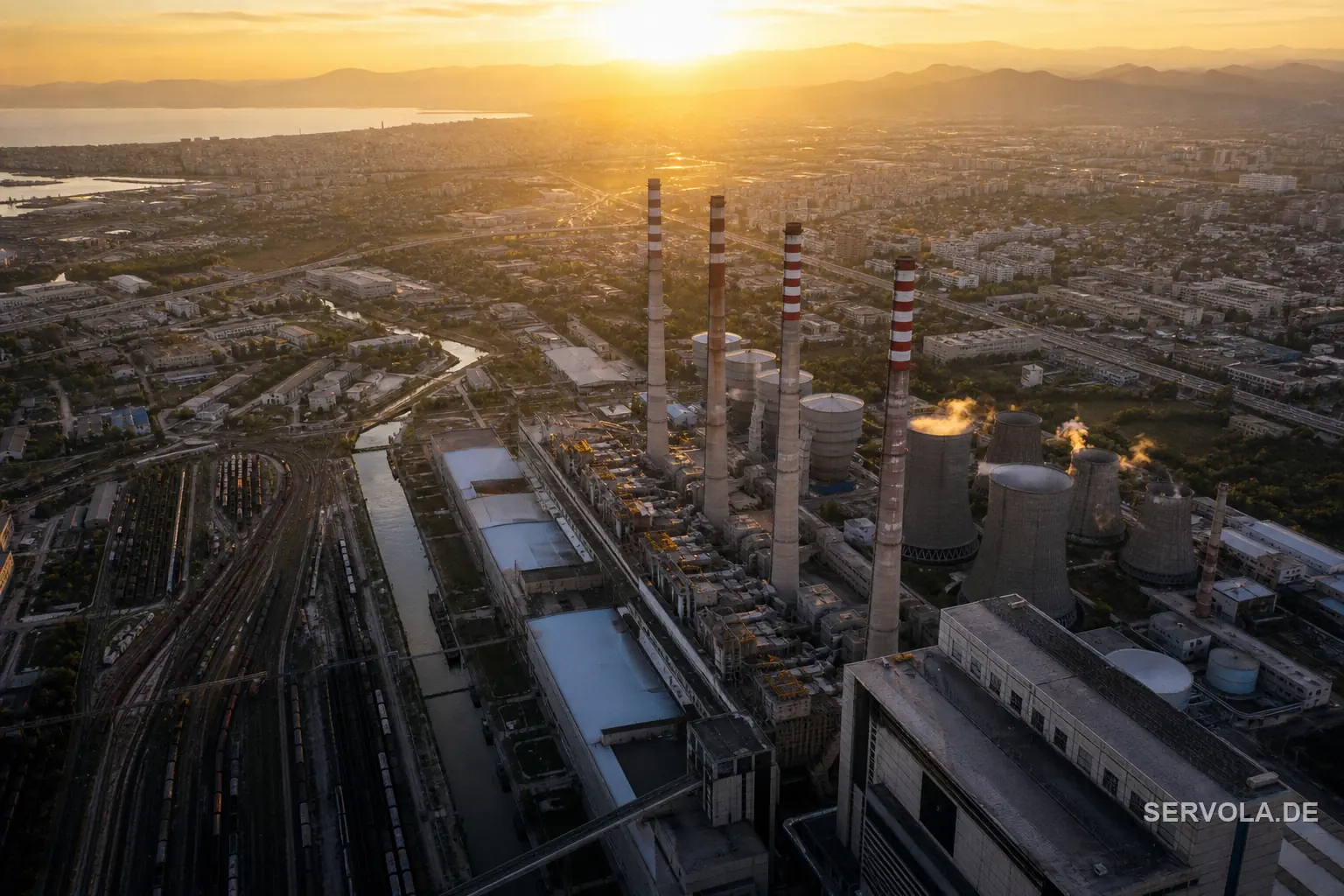
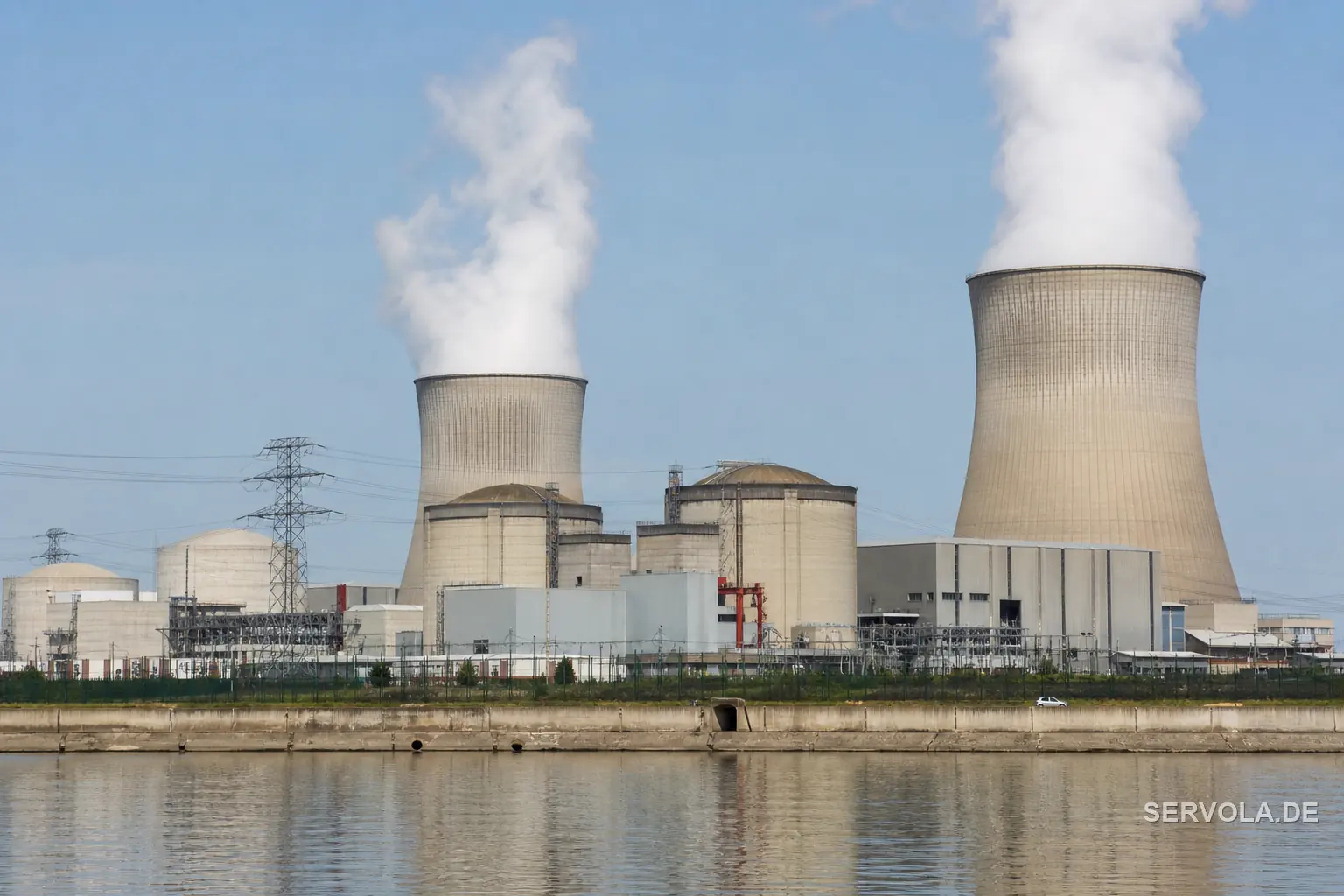
The heatwave forecasters warned about on August 7 arrived on schedule. Temperatures reached the low 40s Celsius across the Loire and Rhone valleys starting the week of August 10, and by August 11 and 12 EDF's cooling-water constraints had turned from a warning into curtailed output. Two reactors went fully offline because river water had grown too warm to cool them safely, four more had their output capped, and a further reactor was pulled because of low river levels - seven reactors touched by a single event, a tally that turns Golfech Unit 2's earlier eight-day shutdown and the warning issued for Tricastin from a forecast into a confirmed pattern.
EDF put the midday-peak impact at 7.3 gigawatts of curtailed nuclear capacity, about 12 percent of the French fleet. That is a bigger single-day hit than the fleet took in the June curtailment, and it landed inside the same summer that had already forced cuts at Chooz, Cattenom, Bugey, Tricastin and Saint-Alban. The mechanism has not changed - French law limits how warm the water a nuclear plant discharges back into a river can be, to protect fish and other aquatic life downstream - but the frequency with which that limit is now being tested has.
The Summer's Running Tally
Count the season so far. An earlier heatwave this summer had already forced EDF to cut output at six reactors across five sites - Chooz units 1 and 2, Cattenom unit 4, Bugey unit 3, Tricastin unit 4, and Saint-Alban units 1 and 2 - for a combined loss of more than 5 gigawatts, confirmed independently by nuclear-news.net and industry tracker IndustrialInfo. A separate heatwave in June cut as much as 6.4 gigawatts of nuclear capacity, close to 14 percent of French demand at that moment, as temperatures hit 43C, and day-ahead power briefly traded above 300 euros per megawatt-hour, roughly double the average for May.
Now add August. EDF curtailed 7.3 gigawatts at the midday peak on August 12 - two reactors fully offline, four capped, one more out on low river levels - and the market moved with it: French day-ahead power jumped 21.8 percent to 142.50 euros per megawatt-hour on August 11, German day-ahead power rose 22.8 percent to 138.50 euros, and intraday prices in France reportedly topped 300 euros per megawatt-hour again during the early-evening demand peak. German wind output fell by about 8.1 gigawatts to roughly 4.7 gigawatts, some 60 percent below the seasonal average, so the two grids were short at the same time for different reasons and both paid for it. This is not a fresh shock; it is the fifth line in a tally that started in June.
From Weather Event to Structural Risk
France's nuclear fleet took similar heat-driven hits in the summers of 2022 and 2023, so recurring cuts are not new by themselves. What has changed is the timing and severity: this year's heatwaves arrived earlier in the season and pushed further past the cooling-water limits than in prior years, and the August event's own numbers now back that up - a bigger single-day curtailment than June's, layered on top of the more than 5 gigawatts already lost earlier this summer, in the same season. Retrofitting reactors with closed-loop cooling that would remove the river-temperature constraint is not a quick fix either - the upgrades run into the tens of billions of euros per unit, which means the physical limitation is not going away this decade.
That combination - earlier onset, deeper cuts, a market that now visibly repriced twice in one summer, no fast engineering fix - is what turns a weather event into a planning input. A single heatwave is noise. Five heatwaves forcing multi-gigawatt cuts and double-digit price jumps inside one summer, on a fleet that supplies roughly two-thirds of France's electricity, is a seasonal pattern that a grid planner, a power buyer, or a data-center operator can now model rather than react to - and the August 11 price data is the clearest single data point they will get this year.
What Operators Buying French Power Should Do
The practical consequence lands on anyone who signed a power purchase agreement, a colocation contract, or a siting decision on the assumption that French nuclear means firm, low-carbon baseload year-round. That assumption held for most of the year - it did not hold on August 11, when day-ahead prices jumped more than a fifth in a single session, and it has not held reliably in July or August for three straight years now. Operators with flexible or interruptible load should treat that flexibility as a hedge specifically for the July-August window, not just a general efficiency feature, and operators locking in fixed-price PPAs should ask what curtailment language, if any, covers heat-driven cuts rather than assuming force majeure quietly absorbs the risk.
For anyone actively evaluating a new site or a new supply contract in France - or in Germany, where the same week's wind shortfall pushed prices up in step with the French nuclear cuts - the more useful number is not this week's temperature forecast but the fleet's own trend: heat-related cuts have now hit in 2022, 2023, and five separate times in 2026, each time moving prices measurably and each time affecting different reactors depending on which river ran hottest. Budgeting around the best case - a full summer of roughly 70 percent nuclear capacity factor - is no longer a conservative assumption. Budgeting around the pattern, and around the August 11 price move as its latest data point, is.
Read next: France's AI Data Centre Shortcut Has an Expiry Date | France Clears Site Prep, Not Build, At Gravelines