The Filing Meta Just Made
Edge Cable Holdings USA LLC, a wholly owned subsidiary of Meta Platforms, asked the Federal Communications Commission on August 17, 2026 for a landing license covering a new transatlantic cable named Aurora, running between Manasquan, New Jersey and Blaabjerg, Denmark.
An independent filing on the Danish side corroborates the project: Arelion Denmark A/S, which owns the Blaabjerg landing station, applied to Denmark's Kystdirektoratet (the Danish Coastal Authority) in January 2026 for permission to bring Aurora ashore, describing it as "a planned subsea fibre optic telecommunication cable ... linking the United States and Denmark" with a total length of approximately 7,269 kilometers, a figure that matches what Meta separately reported to the FCC.
Aurora By The Numbers
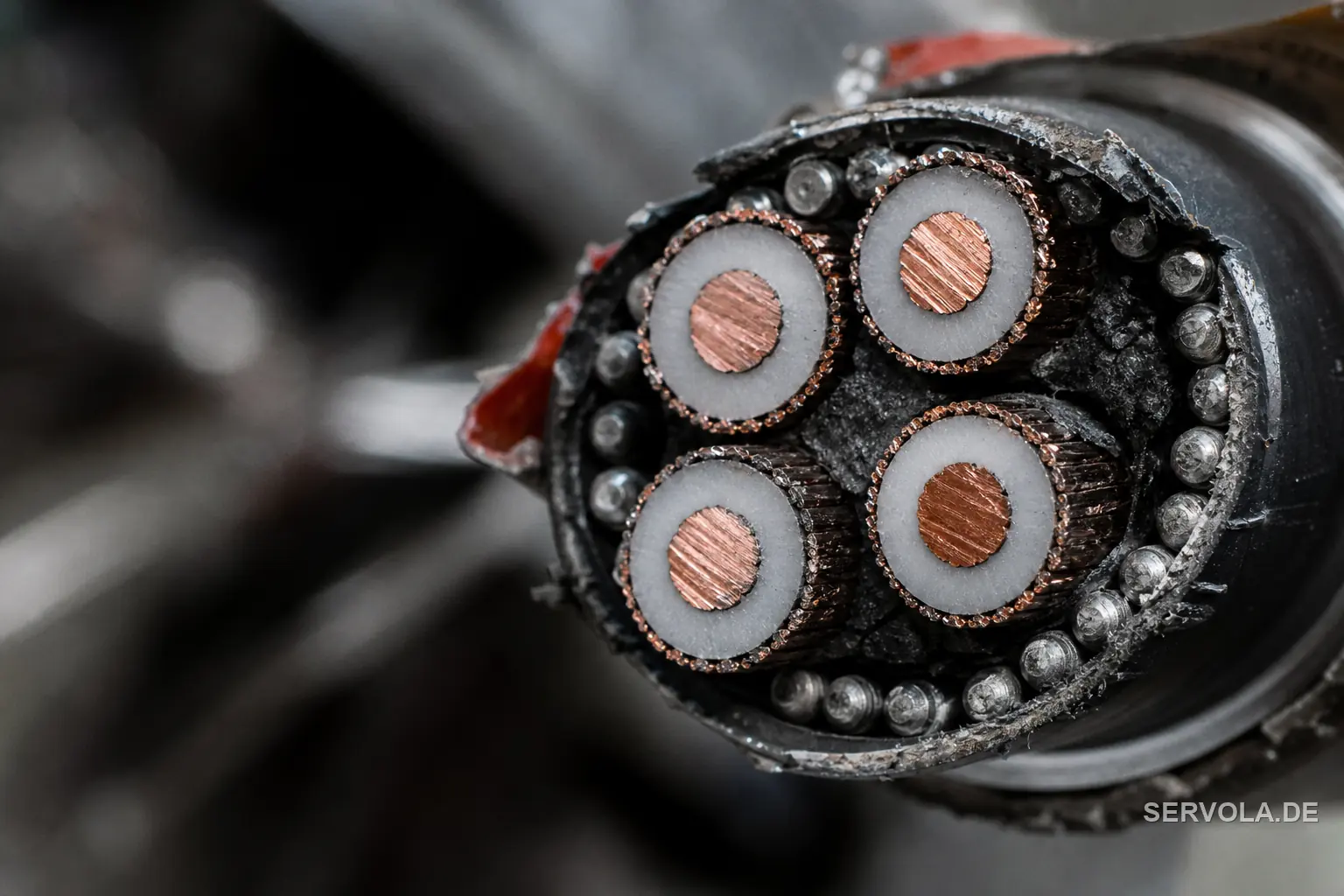
Aurora is designed to run approximately 7,268 kilometers between its two landing points, carrying 24 fiber pairs each built for a design capacity of about 20.7 terabits per second, for a combined system capacity near 497 terabits per second.
| Metric | Aurora |
|---|---|
| Route | Manasquan, New Jersey (US) to Blaabjerg, Denmark |
| Length | approximately 7,268 km |
| Fiber pairs | 24 |
| Design capacity per pair | approximately 20.7 Tbps |
| Total design capacity | approximately 497 Tbps |
| FCC filing date | August 17, 2026 |
| Requested license grant | by November 2026 |
| Target in-service date | January 15, 2028 |
Meta is asking the FCC to grant the landing license by November 2026 so Aurora can meet that January 2028 target, according to the filing, which leaves a tight but not unusual runway for a project of this scale.
Why Blaabjerg, Why Now
Blaabjerg is not a new address for Meta's subsea ambitions: the company already lands the Havfrue cable there, a system it built with Aqua Comms, Google and Bulk Infrastructure that entered service in 2020, and Aurora's filing proposes reusing existing horizontal directional drilling ducts and beach infrastructure at the site rather than building fresh ones.
Denmark's west coast has become one of Europe's more concentrated hyperscaler data-centre corridors, drawn in part by a wind-heavy power grid, and a direct high-capacity line landing in the middle of that corridor gives Meta's own facilities first claim on the new capacity before any other buyer gets a look at it.
From Leased Capacity To Owned Backbone
Aurora extends a pattern already visible across Meta's other subsea filings, including the Bifrost cable in the Pacific and the globe-spanning Waterworth project Meta announced in 2025: the company increasingly builds and owns transatlantic capacity outright rather than buying wholesale bandwidth from telecom consortia.
Filed as a non-common carrier system in the structure Meta used for Bifrost, Aurora would let Meta reserve capacity for its own platform first and make only individually negotiated fiber pairs available to third parties, an arrangement that keeps pricing and access terms private rather than published.
What It Means For European Operators
European businesses that lease transatlantic bandwidth or negotiate peering and transit deals are increasingly dealing with counterparties who are also building parallel capacity reserved for their own use first.
Operators dependent on leased subsea bandwidth into Denmark's data-centre corridor should treat Aurora's November 2026 licensing deadline as a marker worth tracking, since any pairs Meta does not reserve for its own platform are more likely to reach the market as dark fiber on individually negotiated terms than as capacity sold indifferently to all comers.
Read next: Drone Strikes Found the Ceiling on Cloud Backups | Meta Paired an AI Manifesto With a Data Center Pitch