Meta Moved the Expensive Parts Off Your Face
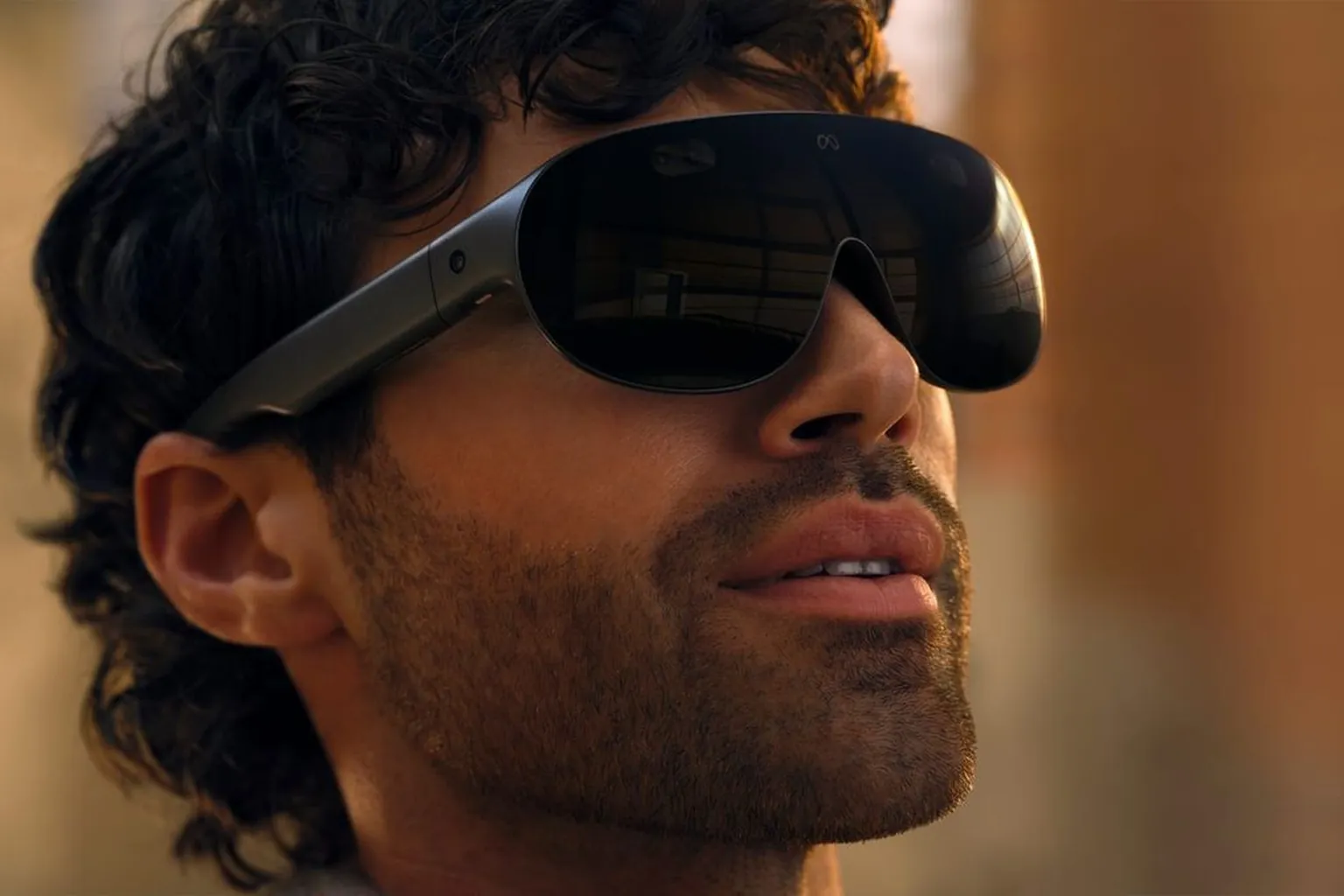
Meta unveiled VR Glasses at Connect 2026 on September 23, a headset shaped like a thick pair of sunglasses that weighs about 100 grams, roughly a fifth of the Quest 3. The trick is not a smaller chip. Meta cut the glasses' own weight by moving the processor, the battery and most of the storage into a wired external puck the size of a phone, so the part touching your face carries almost none of the components that usually make a headset heavy.
What stays on the glasses is a 5K micro-OLED display Meta says is the first VR device certified for IMAX Enhanced content, full-color passthrough cameras, Dolby Vision and Dolby Atmos, and a built-in AI agent that can read a room through the cameras and answer questions about what the wearer sees. A companion feature called hologram builds a photorealistic avatar from a short phone scan, for video calls inside the headset. Meta priced the set at $1,299 and says it ships in spring 2027.
The Memory Shortage That Cost Apple $200
Three months earlier, Apple raised the price of Vision Pro from $3,499 to $3,699, its first price increase since the headset launched, and pointed to the same cause vendors across the industry have been citing all year: a global shortage of the memory chips that go into every AI-capable device. Vision Pro carries its full compute, battery and RAM inside the headset itself, so a rise in memory prices lands directly on Apple's bill of materials and, from there, on the sticker price.
Meta's glasses do not escape the memory shortage. They avoid paying for as much of it inside the piece a customer wears, because the components most exposed to the price spike sit in the puck instead. The same shortage that added $200 to Vision Pro is the reason Meta's headset now looks like sunglasses rather than ski goggles.
What a Buyer Is Actually Comparing
Laid out side by side, the two devices are not really competing on features. They are two different answers to the same component cost problem.
| Metric | Meta VR Glasses | Apple Vision Pro |
|---|---|---|
| US price | $1,299 | $3,699 (from $3,499 in June) |
| Weight | About 100g on the head | About 600 to 650g on the head |
| Compute location | External puck, wired | Fully inside the headset |
| Ships | Spring 2027 | Shipping now |
Meta has not announced pricing outside the United States. At current exchange rates $1,299 converts to roughly EUR 1,210 or GBP 990, though Meta and Apple have both historically priced European launches above a straight currency conversion once local VAT is added, so the eventual EU or UK sticker price is likely to run higher than these estimates.
Why Announce a Product You Cannot Sell for Six Months
A headset that will not reach customers until spring 2027 has no obvious reason to exist as news in September, unless the announcement itself is the product. Meta's own Quest 3 is the thing most likely to lose sales this holiday season to a shopper who now knows a lighter, cheaper glasses-style option is coming. Announcing early trades a slice of Quest revenue for a chance to make Vision Pro, at $3,699 and rising with memory prices, look like the wrong headset to buy this Christmas.
That bet only pays off if Meta actually ships in spring 2027 at $1,299. A slip to late 2027 or a price increase of its own, driven by the same memory market squeezing everyone else, would leave Meta having talked buyers out of a purchase this year without giving them anywhere to spend the money next year either.
Read next: Apple Shrank Its Flagship Bet to Fund the Next One | Meta Built a Camera-Free Exit From Its Privacy Mess