Two sites, one week
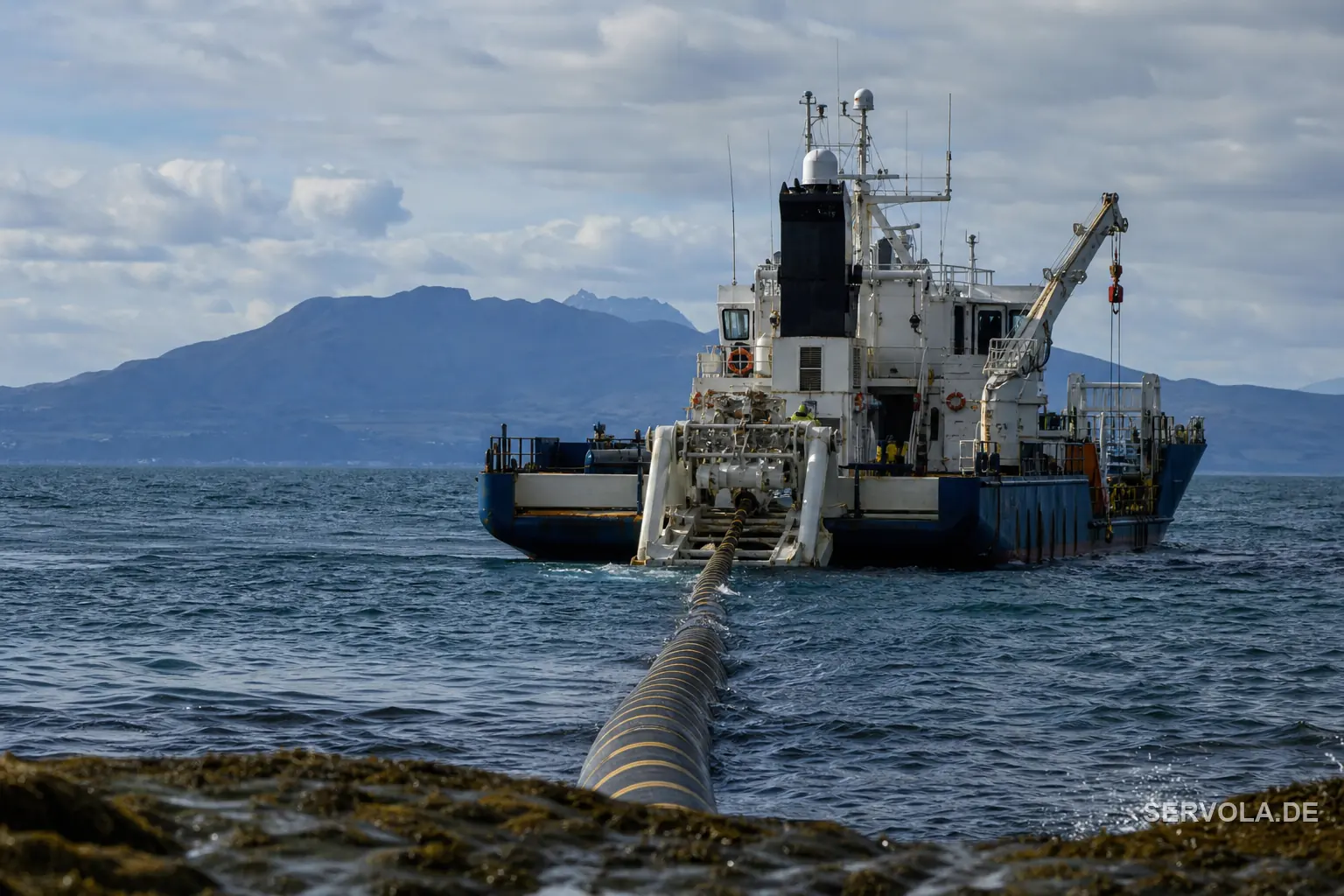
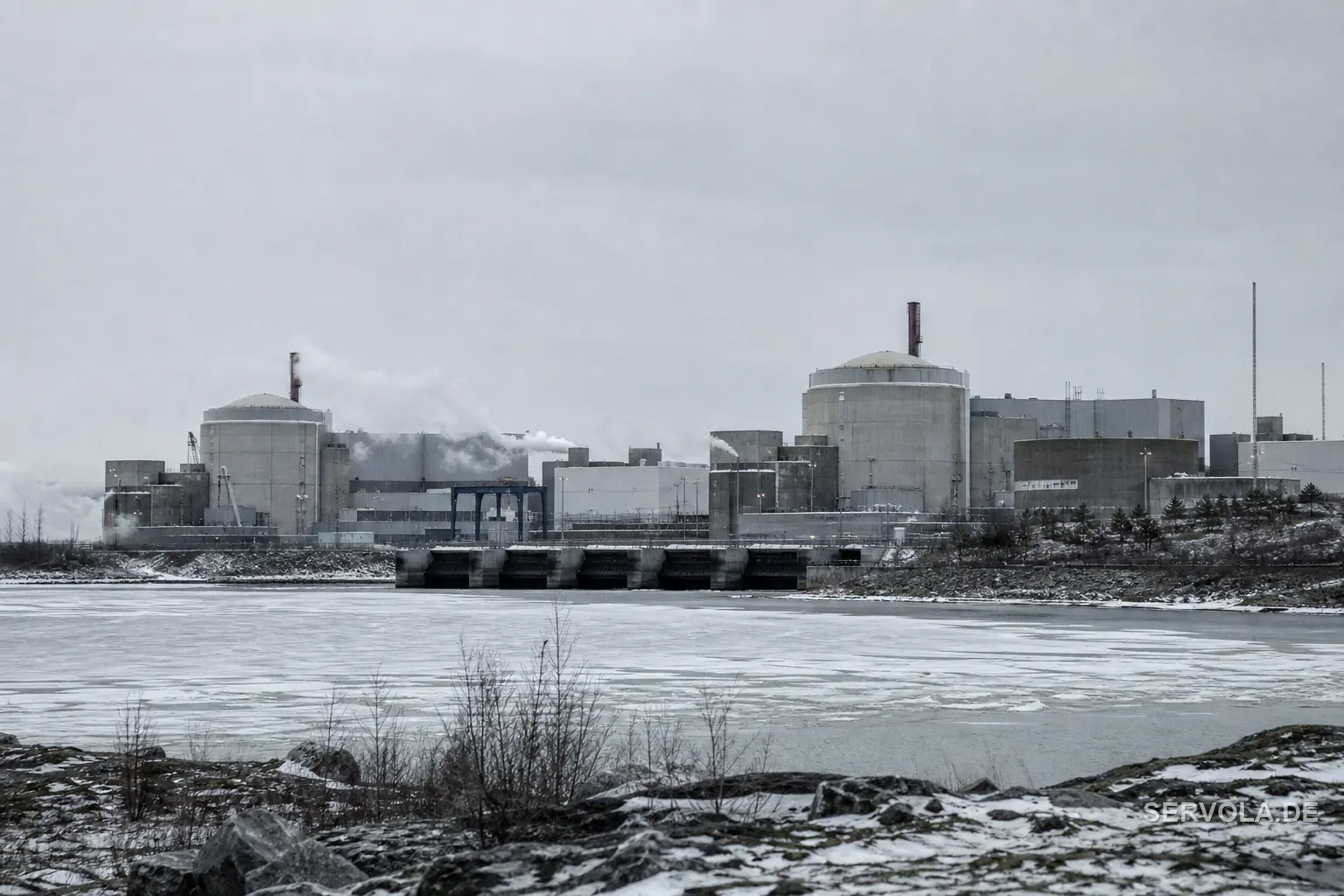
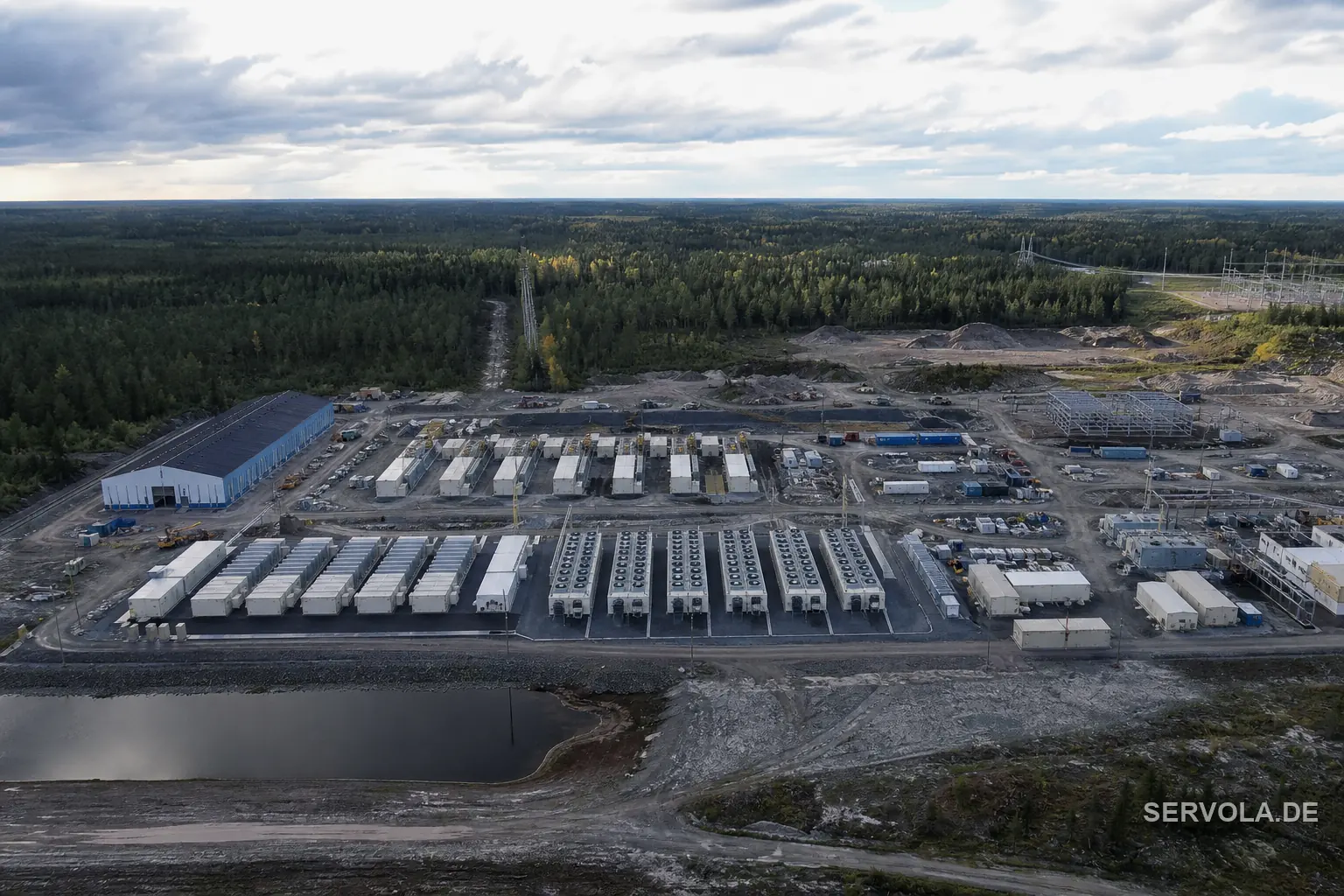
Nebius's August 13 announcement covers two separate builds. In Mantsala, Finland - already home to its flagship European site - a second data centre will add up to 70 MW of capacity coming online from 2027, taking the company's total footprint in the country to 455 MW spread across three sites. In Huuru, near Tallinn, Nebius signed with local operator Greenergy Data Centers for 22 MW as part of a 50 million euro expansion of that facility to 31.5 MW total, with the first phase due to go live before the end of 2026.
Neither figure rivals the scale of the hyperscalers' own multi-gigawatt US campuses, but the timing is the point: both projects were announced and committed in a single week, by a company that does not need to win a competitive tender, secure a state co-investment partner, or wait for a formal award decision before pouring concrete.
A tender clock versus a neocloud's calendar
The European Commission opened its call for AI Gigafactories on July 30, 2026, offering up to 10 billion euros in combined EU and national funding to help build up to seven large-scale AI computing centres, with the goal of unlocking at least 20 billion euros in private capital on top. It is the EU's central answer to the question Nebius's own expansion just answered privately: where does Europe's AI compute actually come from.
The Commission's own published timeline shows why the two moves are not on the same clock. Bids remain open until November 12, 2026; winners are expected to be named only in early 2027; and even then, selected sites get a further 18 months from contract signing to reach operational status. Stacked together, that puts the earliest realistic Gigafactory power-on date around mid-to-late 2028 - by which point Nebius's Estonian capacity will have been serving customers for roughly two years, and its expanded Finnish site for one.
What the expansion buys, and what it does not
Nebius is legally domiciled in the Netherlands and listed on the Nasdaq exchange, which means the compute it is adding in Estonia and Finland sits under EU jurisdiction and on a European company's balance sheet - a genuine, near-term answer for buyers who need data physically and legally inside the Union without waiting for a subsidised programme to clear procurement. That is a real form of sovereignty: over jurisdiction, ownership and timeline.
It is not sovereignty over the underlying hardware. Every one of those new megawatts in Huuru and Mantsala runs on Nvidia silicon, the same dependency that sits underneath the Commission's own Gigafactories, which will also lean on Nvidia, AMD and Qualcomm chips under memoranda the EU has separately signed with those three vendors. For a European buyer choosing between waiting for a subsidised, EU-controlled facility or contracting with a neocloud today, the honest trade is speed and jurisdiction now against a slower path that changes ownership structure but not the chip supplier either way.
Read next: Cisco Just Named Sovereign Clouds As A Customer | OpenAI's Efficiency Claim Has No Independent Check Yet