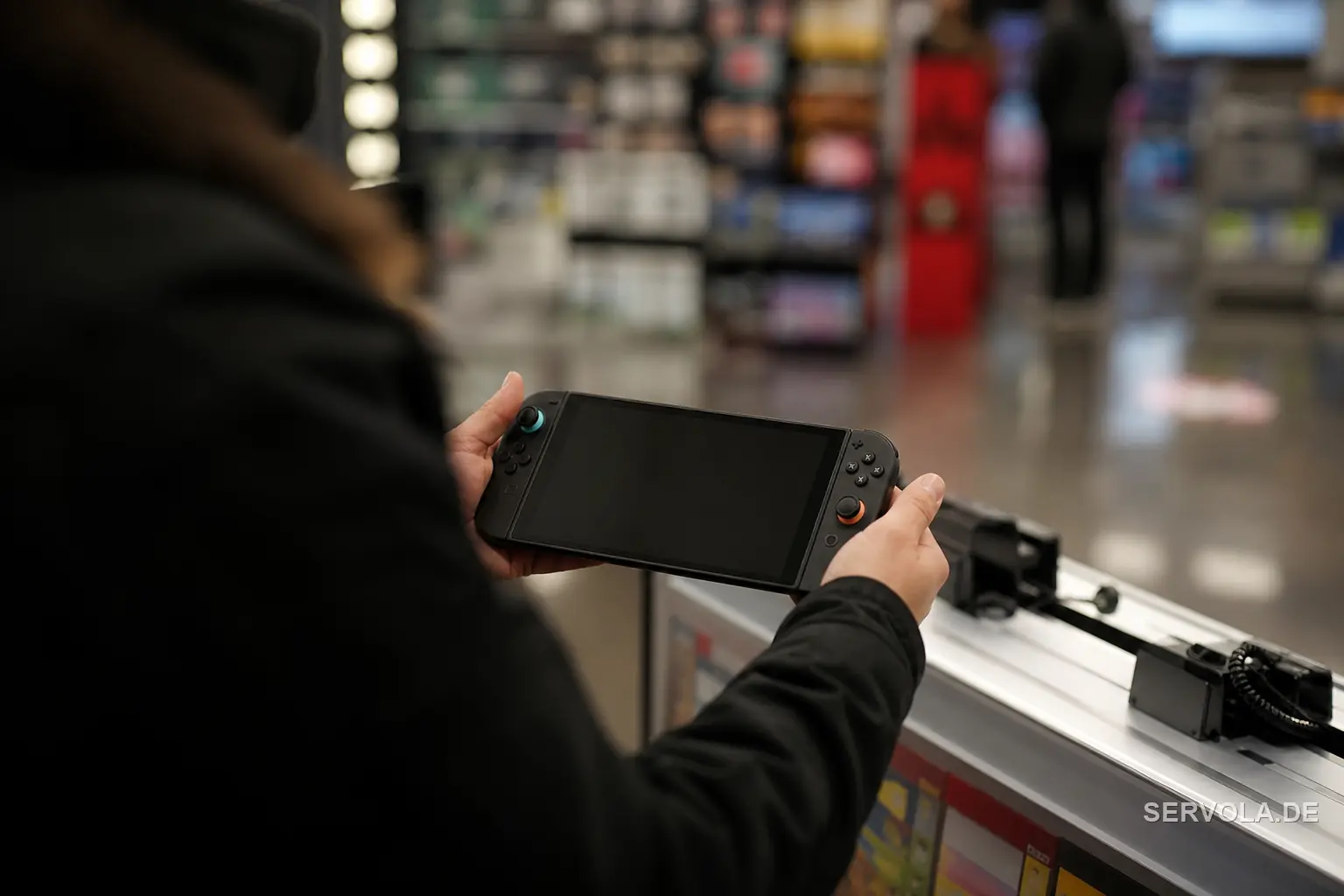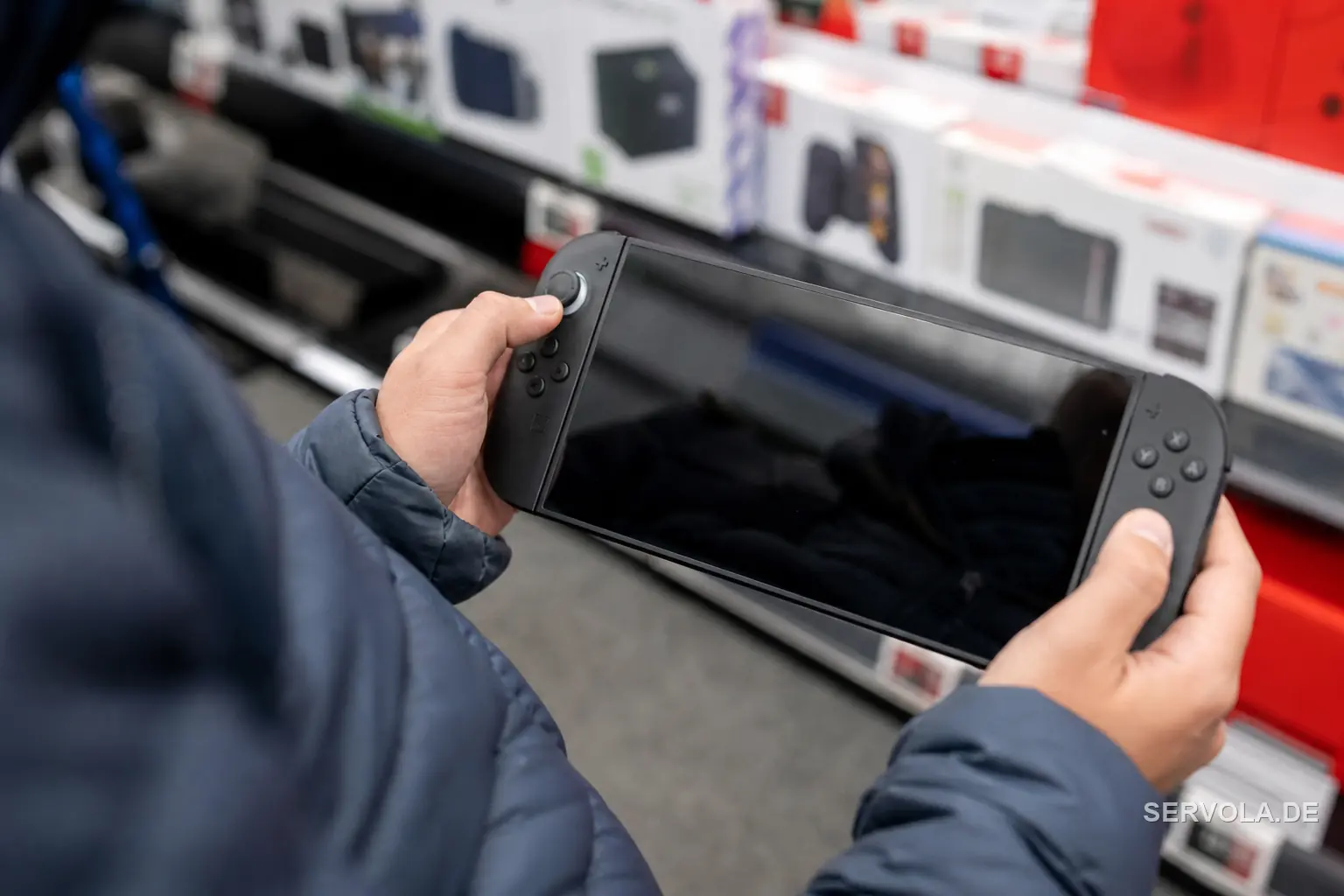
Nintendo's Own Compliance Page Confirms the Redesign
Nintendo's "Compliance with EU Directives and Regulations" page confirms what UK and European gaming press first reported in July 2026: Nintendo Switch 2 hardware sold in the EU is being redesigned around a user-replaceable battery, ahead of the bloc's February 18, 2027 deadline under Regulation (EU) 2023/1542. The rollout is staggered by product rather than switched over on one date.
| Product | EU replaceable-battery rollout | Notes |
|---|---|---|
| Joy-Con 2 controllers | Summer 2026 | First hardware to switch over |
| Nintendo Switch 2 console | Autumn 2026 | 14 g heavier, 1 pct less battery capacity with a controller attached |
| Switch 2 Pro Controller | Winter 2026 | Redesigned housing for tool-free battery access |
| N64 and GameCube controllers (Switch Online) | 2027 | Last hardware in the rollout |
| Original Nintendo Switch | Ends February 2027 | Nintendo stops supplying it to EU retailers |
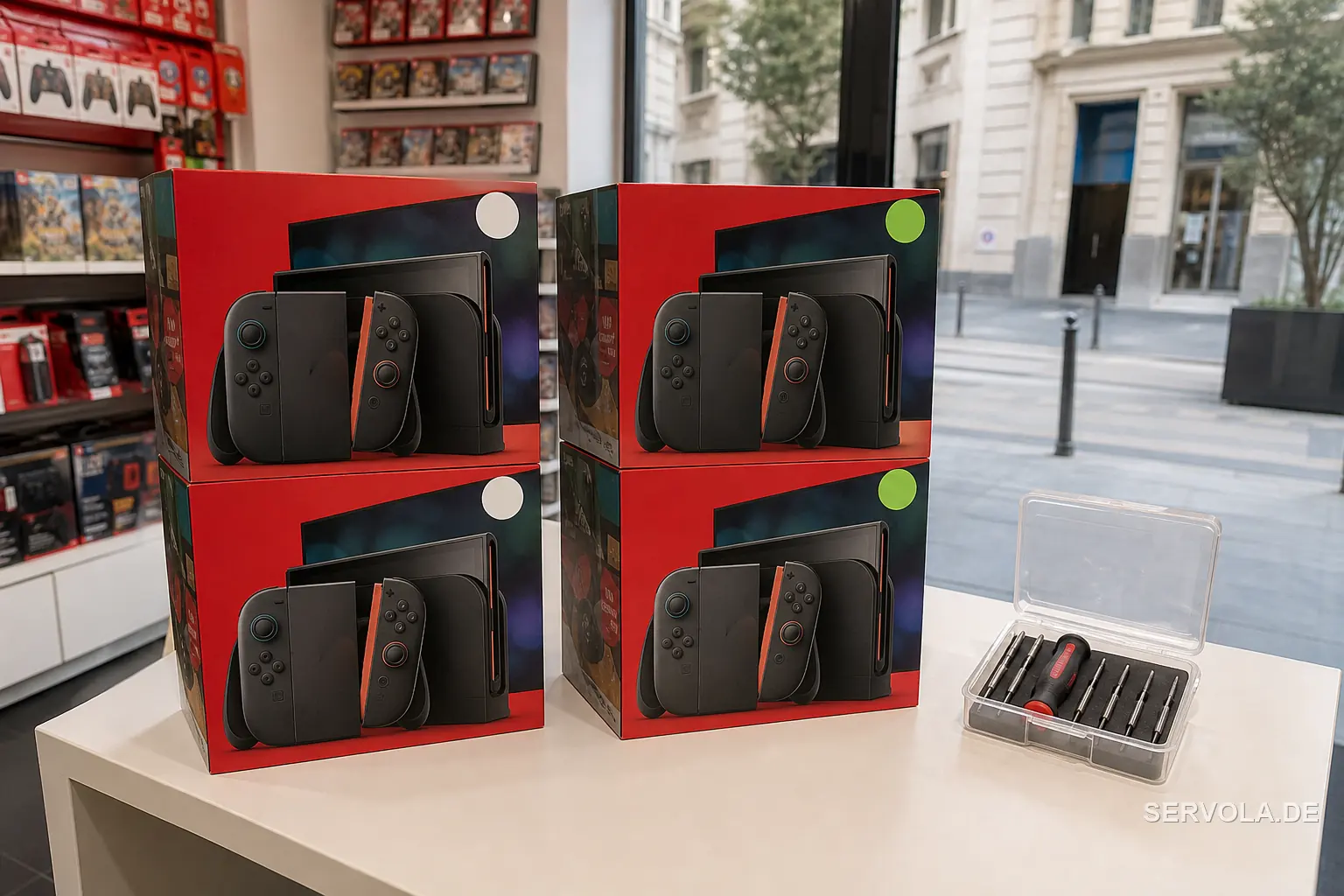
Nintendo says the compliant units carry no functional difference from current stock and are distinguished only by new model numbers and an "OSM" code printed on the box. Non-compliant stock already in EU warehouses can keep selling until it runs out, which is why two versions of the same console will sit on shelves side by side for months.
Fourteen Grams and One Percent: The First Real Number
Nintendo has now put a number on what EU repairability law costs a shipped, mass-market product: the redesigned Switch 2 weighs 14 grams more with a controller attached and its battery holds 1 percent less charge than the version sold everywhere else. Those figures come directly from Nintendo's own compliance disclosure, not a teardown or a leak, making this the first manufacturer-confirmed cost of Article 11 compliance in a product consumers can actually buy.
Weight and capacity are the visible part of a deeper constraint. Article 11(2) of Regulation (EU) 2023/1542 also bans battery "parts-pairing", the practice of locking a battery to one specific device serial number in firmware so a genuine replacement still triggers a warning or reduced function if installed by anyone other than an authorized repairer. European Commission guidance published in the EU's Official Journal in 2025 spells out that removal must use only commonly available tools, which rules out that kind of software lock for the battery specifically.
A Two-SKU Nintendo Is the Template Every EU Electronics Maker Is About to Copy
The practical effect is that Nintendo now sells two physically different Switch 2 consoles under one name, split by region rather than by price or spec sheet, something it has never done with a current-generation console before. The EU buyer gets a slightly heavier, slightly shorter-running device in exchange for a battery they can replace themselves after the warranty ends; buyers in the US, Japan or most of Asia get neither the option nor the trade-off. Nintendo will not be the last company to make this split: Sony and Microsoft's current consoles, and every EU-market phone, earbud and handheld with an internal battery, face the same February 18, 2027 deadline, and Nintendo's product-by-product, three-season rollout is now the closest thing the industry has to a working template for phasing in a split SKU without a hard cutover date.
The part worth watching is disclosure, not engineering. Nintendo's "no difference in functionality" framing is accurate but incomplete: it says nothing about weight or battery capacity, both of which appear only on a compliance page almost nobody reads before buying a console. The EU wrote a law to give consumers a battery they can replace; it did not write a law requiring the shelf label to say what that costs in grams or minutes of playtime, and until one exists, buyers will keep making that trade without being told they made it.
Read next: Nintendo's Profit More Than Doubled While Sales Fell | Nintendo Pivots Splatoon Into Switch 2 Exclusive