What Nvidia Is Actually Buying
Nvidia has agreed to acquire Hugging Face, the company behind the world's largest library of open source AI models and datasets, for roughly 12.9 billion dollars, according to Bloomberg, The Information, and CNBC, all citing people familiar with the talks.
Hugging Face works like a code-sharing site for AI: any lab, university, or hobbyist can upload a trained model, and anyone else can download it and run it on their own hardware, with no subscription, no API key, and no dependence on OpenAI, Anthropic, or Google. Founded in 2016 by French entrepreneurs Clement Delangue, Julien Chaumond, and Thomas Wolf, it became the default home for open weight releases from Meta's Llama family, Mistral, DeepSeek, and hundreds of smaller labs.
As of the initial reports, the deal was not yet formally signed, and people close to the talks cautioned it could still fall apart or change in structure before closing.
Why This Is Not a Model Story
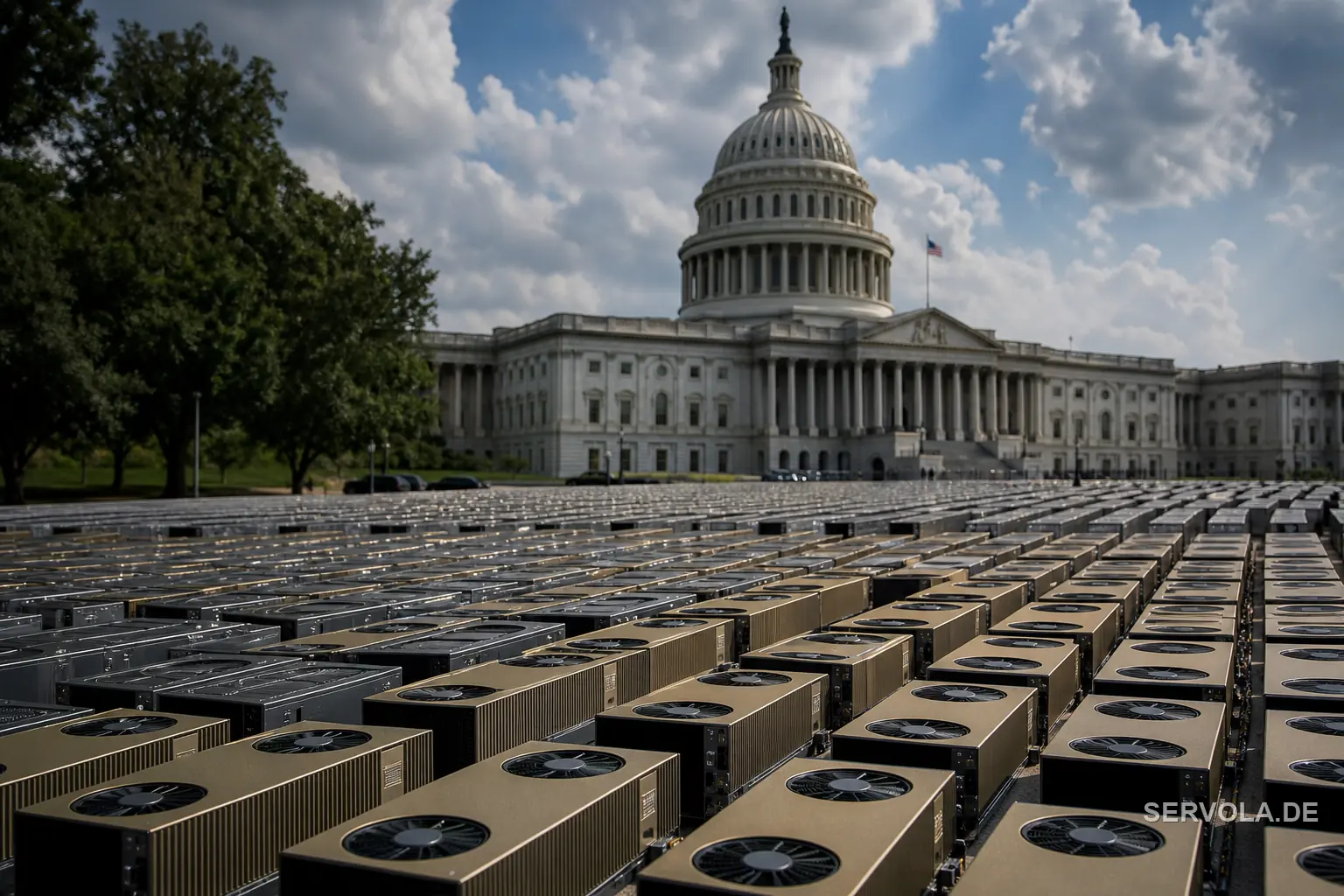
Nvidia is not buying a rival to OpenAI, it is buying the shelf that rival models sit on.
Nvidia does not need to win the closed model race to profit from AI, it needs every model, open or closed, to run on Nvidia hardware. A thriving open source ecosystem gives buyers an alternative to paying a closed lab for API access, which keeps demand distributed across thousands of smaller deployments rather than concentrated in three or four labs that could eventually negotiate their own hardware terms or build custom chips, as OpenAI and Google have both started doing.
Owning Hugging Face gives Nvidia a direct view into which open models are gaining traction before that shows up in chip orders, and a channel to steer developers toward its own software stack, CUDA libraries, and inference tools at the exact moment they choose a model to deploy.
The Sovereignty Question Nobody Priced In
For European buyers, Hugging Face has functioned as the practical alternative to depending on a single American AI lab, and that alternative just gained a new American owner.
Government agencies, banks, and manufacturers across the EU and UK that chose to self-host open weight models specifically to avoid sending data to OpenAI or Anthropic's servers were, in effect, relying on Hugging Face as a neutral distribution layer. That neutrality was never guaranteed, but it existed as long as no single infrastructure vendor controlled both the models' distribution and the chips they ran on.
Under Nvidia's ownership, the two now sit in the same company. Nothing forces Nvidia to change how Hugging Face operates, and it has strong commercial reasons not to alienate developers who are not yet its customers. But any organization that treats open source as synonymous with independent of Big Tech has one fewer reason to believe that after this week.
Read next: Nvidia Turns Hugging Face Into a Chokepoint | Europe's Open-Weight AI Now Runs Through One Firm