A Field North of Houston Just Outbid a Continent
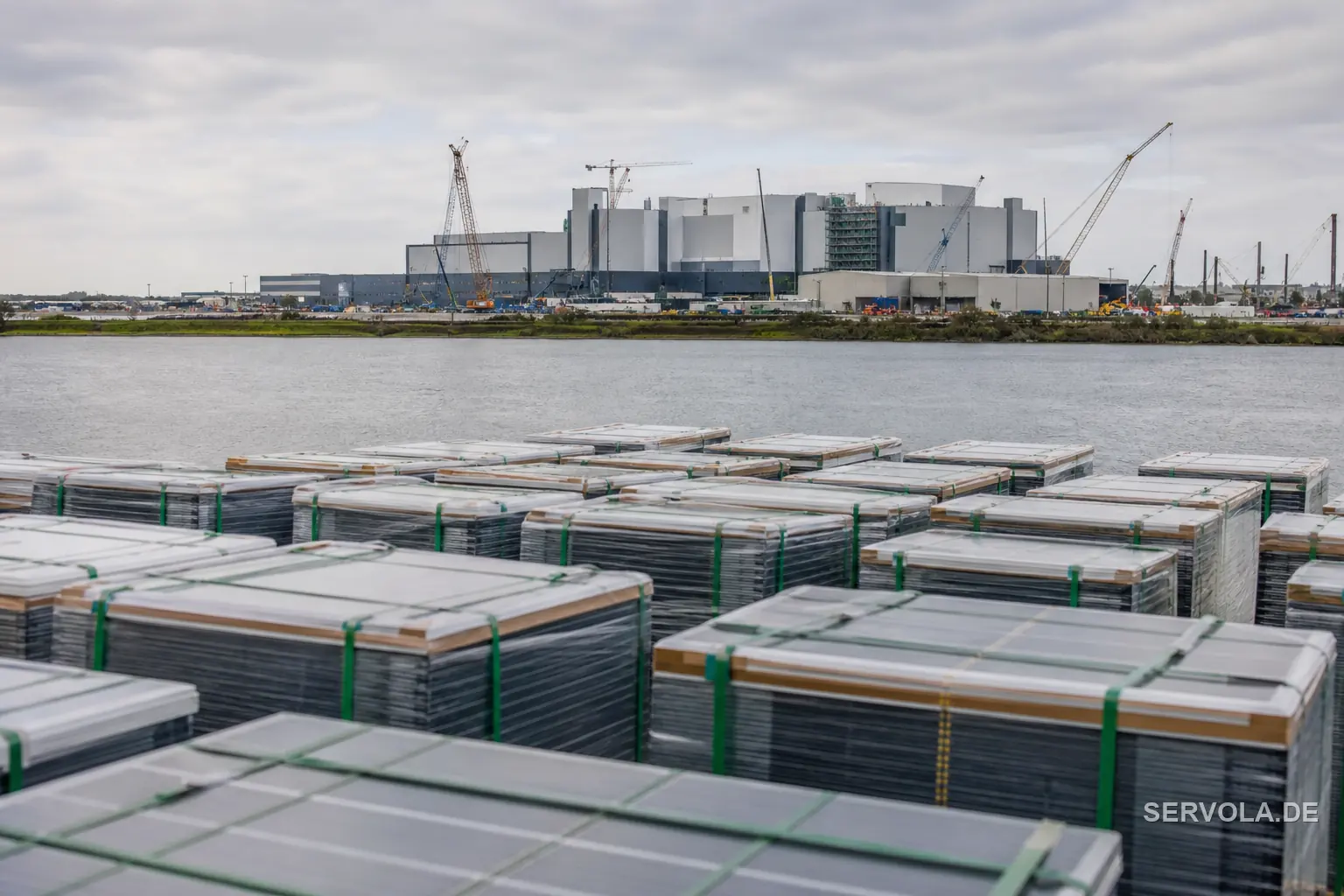
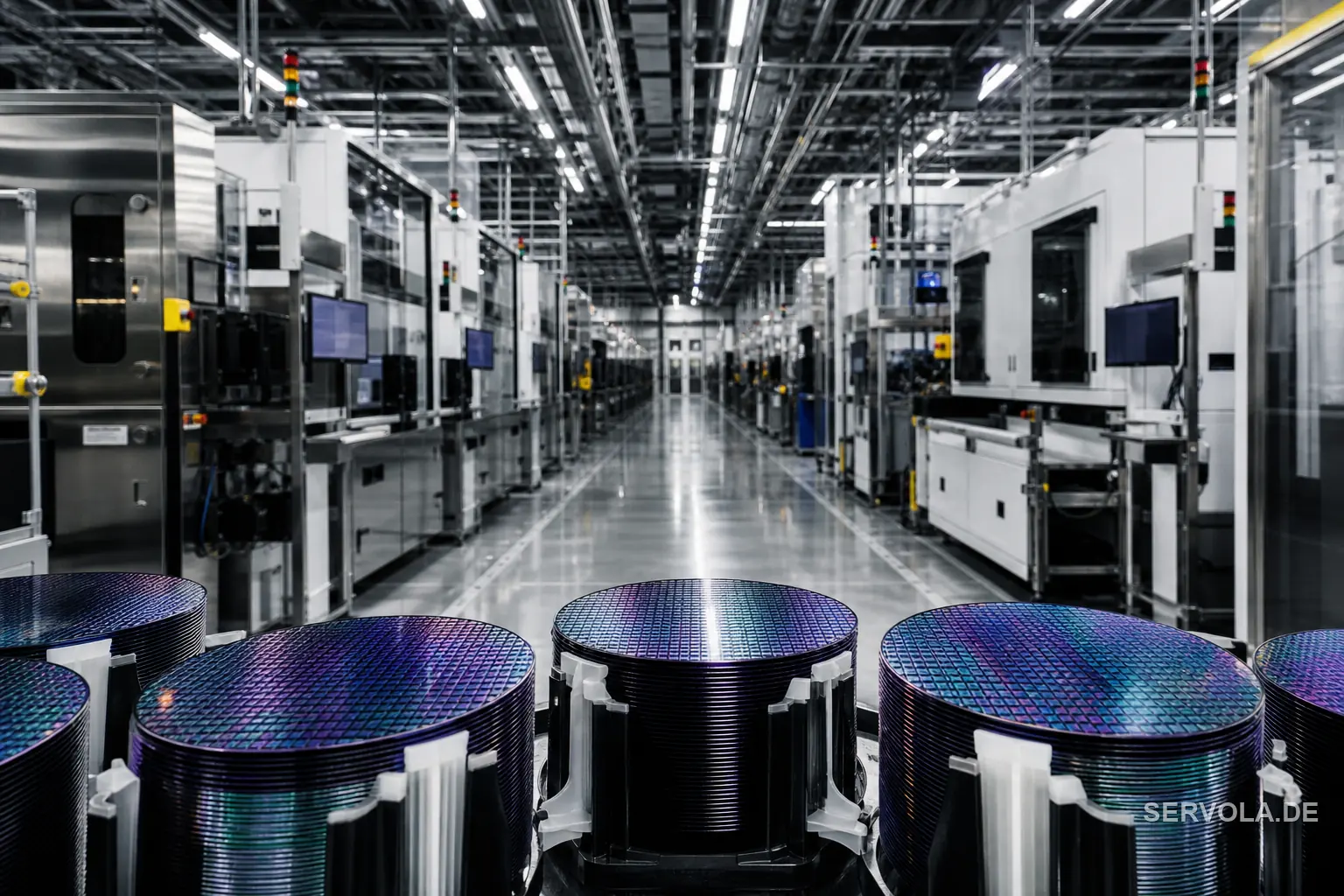
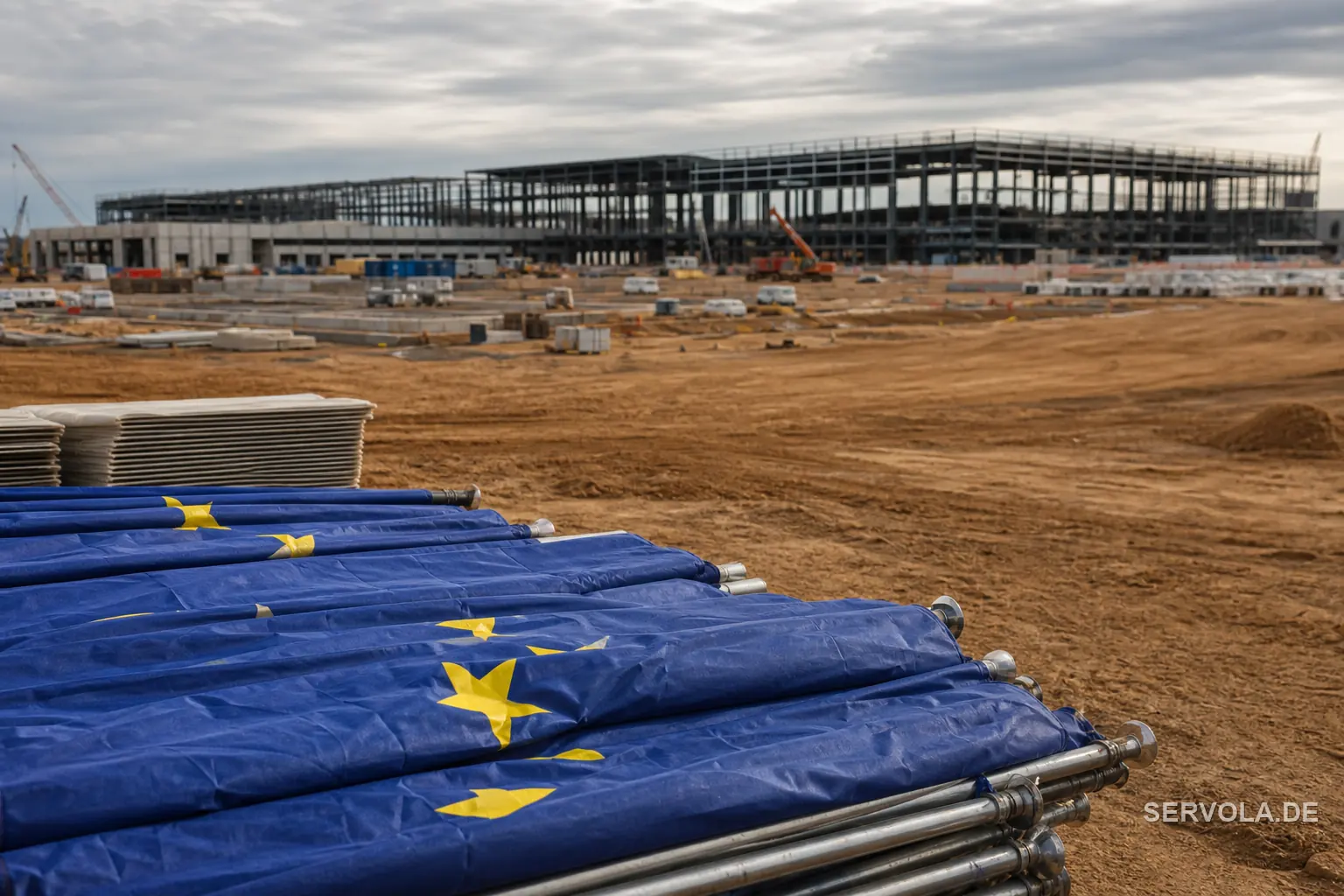
On 6 August 2026, Tesla and SpaceX jointly confirmed the site and initial funding for what they are calling Terafab: an advanced semiconductor factory rising on a stretch of farmland in Grimes County, Texas, just north of Houston.
Elon Musk, who controls both companies, described the plan in blunt terms: "the largest and most valuable building on Earth by far."
The scale behind that claim is not marketing talk. The facility is planned at more than 100 million square feet of manufacturing space, putting it among the largest industrial buildings ever proposed anywhere in the world.
$16.8 Billion Now, Up to $119 Billion Later
The initial investment stands at $16.8 billion. But SpaceX's own regulatory filings suggest the total commitment across a multi-phase build-out could eventually reach as much as $119 billion.
At least 3,000 jobs are expected, drawn from Grimes and Brazos counties. Intel has also committed to contribute to the project, though the exact nature of its role has not been detailed publicly.
Even the water plan signals how seriously this is being taken at scale: the facility is set to draw primarily from the Gibbons Creek Reservoir rather than local groundwater, a detail that matters far less for the environment than for what it says about the planning horizon involved.
One Factory Against an Entire Continent's Chip Plan
The EU Chips Act, the bloc's flagship semiconductor-sovereignty programme, mobilizes roughly EUR 43 billion in combined public and private investment. That money is spread across the whole EU, over several years, across dozens of separate projects, aiming to double the EU's share of global chip production to 20 percent by 2030.
Terafab's initial $16.8 billion, from two companies controlled by one person, already covers well over a third of that entire continental total on its own. And the credible path SpaceX has laid out in its own filings, up to $119 billion, would come close to tripling it.
None of this makes the EU Chips Act's design wrong. Subsidized, shared-risk investment across many players is a reasonable model for a bloc that has no Musk-scale private fortune sitting behind a single founder. But the comparison is a blunt, useful benchmark for anyone trying to gauge how wide that capital gap really is.
Built for Itself, Not for the Market
There is a structural difference worth separating from the dollar figures. Terafab is vertical integration: Tesla and SpaceX are building chips for their own use, reportedly optimized for Optimus robots, autonomous-vehicle compute, and SpaceX's space-based data centre ambitions, not chips meant to be sold on the open market.
The EU Chips Act works the other way, funding foundry capacity intended to serve a broad base of outside customers. A single vertically integrated giant and a continent-wide network of market-facing foundries buy very different kinds of chip-supply resilience, and that distinction matters as much as the size of the cheque.
What Grimes County Should Signal in Brussels and London
The jobs alone, at least 3,000 across Grimes and Brazos counties, and Intel's willingness to contribute to a rival's flagship project, point to how much gravity a project at this scale can generate. So does the choice to lock in a dedicated reservoir supply years before the first chip ships.
For EU and UK policymakers, investors, and supply-chain executives, Terafab is less a single headline than a working measuring stick: a project run by two companies under one person's control is now outspending, or close to it, an entire bloc's flagship chip programme. That is the figure worth carrying out of this story.
Read next: Cornell's Gas Swap Clears Qubits For The Fab | Intel Grows Its Irish Fabs Instead of Building New