Europe's Data Centre Buildout Now Has a Number: 176 Billion Euros
The European Data Centre Association published its State of European Data Centres 2026 report this week, putting a figure on a build-out that has so far been tracked market by market. EUDCA forecasts 176 billion euros in cumulative data centre investment across Europe between 2026 and 2031. Colocation and hyperscale facilities already supply more than two-thirds of Europe's IT power, a threshold that marks the point where third-party operators, not enterprises running their own server rooms, became the default way Europe hosts its computing.
The association's Secretary General, Michael Winterson, framed the finding as an opportunity rather than a warning: once power availability and access are addressed, he said, Europe has the chance to lead globally in AI-ready infrastructure while holding sustainability standards. Ninety percent of the energy European data centres consume already comes from renewable sources, according to the same report, and the sector already supports more than 300,000 direct, high-skilled jobs.
The Bottleneck Is the Grid, Not the Money
| Metric | Figure |
|---|---|
| IT power capacity, 2023 to 2025 | 10,539 megawatts to 14,784 megawatts |
| Forecast IT power demand growth through 2031 | 17 percent a year |
| Scale colocation growth through 2031 | above 25 percent a year |
| Operators naming power availability as the top challenge | 67 percent |
| Sector GDP contribution, 2025 versus 2031 forecast | 53 billion euros rising to 137.5 billion euros |
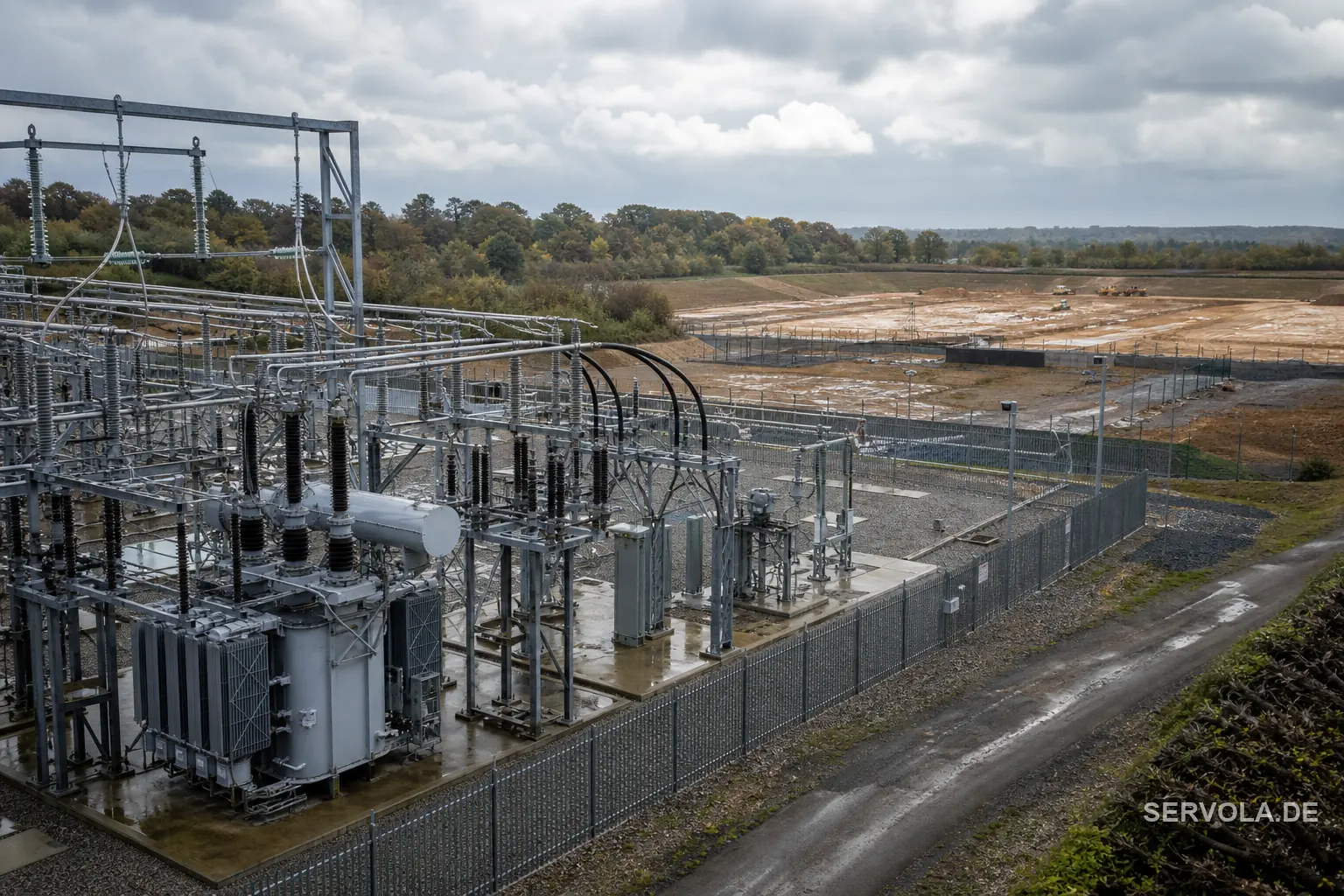
Every figure in that table points the same direction: capital is not what is capping Europe's data centre growth. EUDCA's own conclusion is explicit that once investment is available, as its 176 billion euro forecast shows it already is, the constraint that decides whether a project actually gets built is grid connection capacity and timeline, not whether an investor can be found.
The Map Is Moving Away From the Cities That Built It
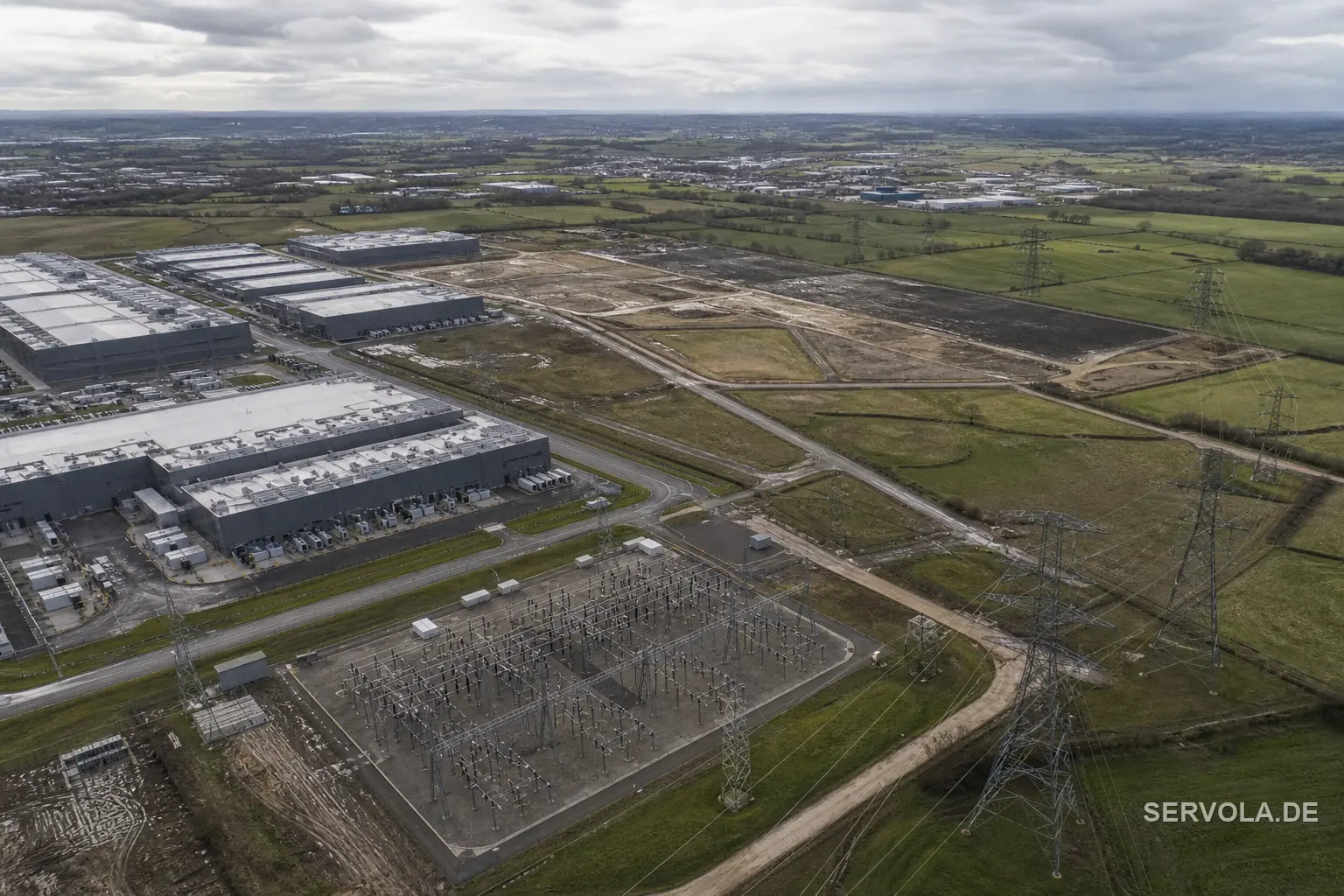
EUDCA's report describes growth spreading beyond the traditional hub cities, Frankfurt, London, Amsterdam, Paris and Dublin, into Southern Europe, the Nordics, Central and Eastern Europe, and secondary metro markets. Read against what has already been reported market by market, that sentence describes a structural shift rather than a preference: Dublin has closed new data centre grid connections until 2028, France's own grid shortcut for new capacity expires in 2027, and the UK now charges data centres a grid commitment fee. Each of those was reported as a national story. EUDCA's report is the industry's own confirmation that, taken together, they add up to new capacity relocating away from the cities that built Europe's digital economy in the first place.
That matters directly for any business buying or leasing colocation capacity, or deciding where to place a workload for latency or data residency reasons. The old assumption, that proximity to Frankfurt, Amsterdam, London, Paris or Dublin is the safe default choice because that is where the fibre, the internet exchanges and the customers already are, now carries a real planning risk: those are precisely the markets where new grid connections are hardest to get. A workload plan built on the old hub map should be checked against where the grid capacity, not the fibre map, actually is before signing a multi-year colocation contract.
Read next: Denmark Ranks Data Centers Last for Grid Power | Batteries Undercut Gas Peakers in All 43 Markets