The price notice that reached every chip designer
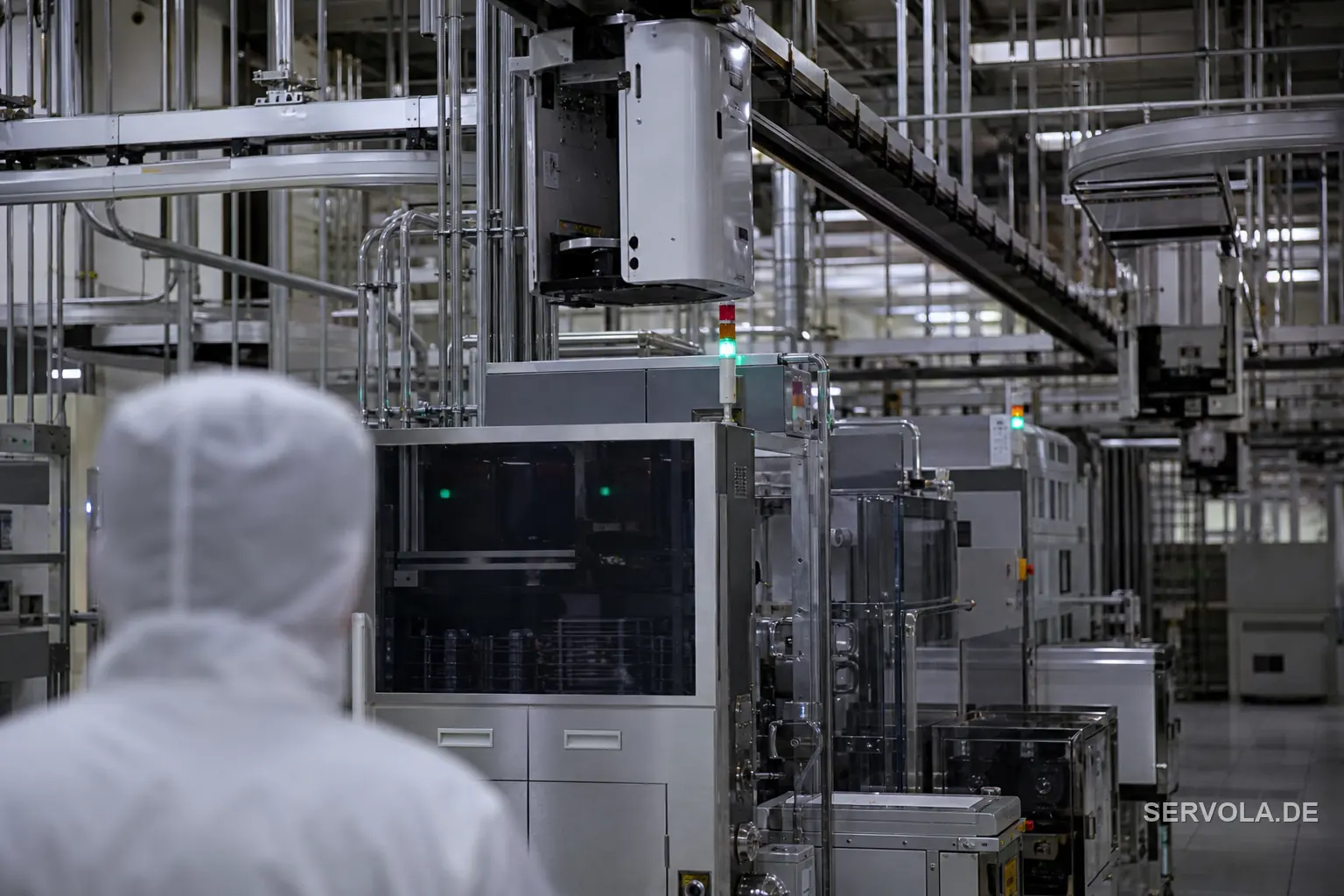
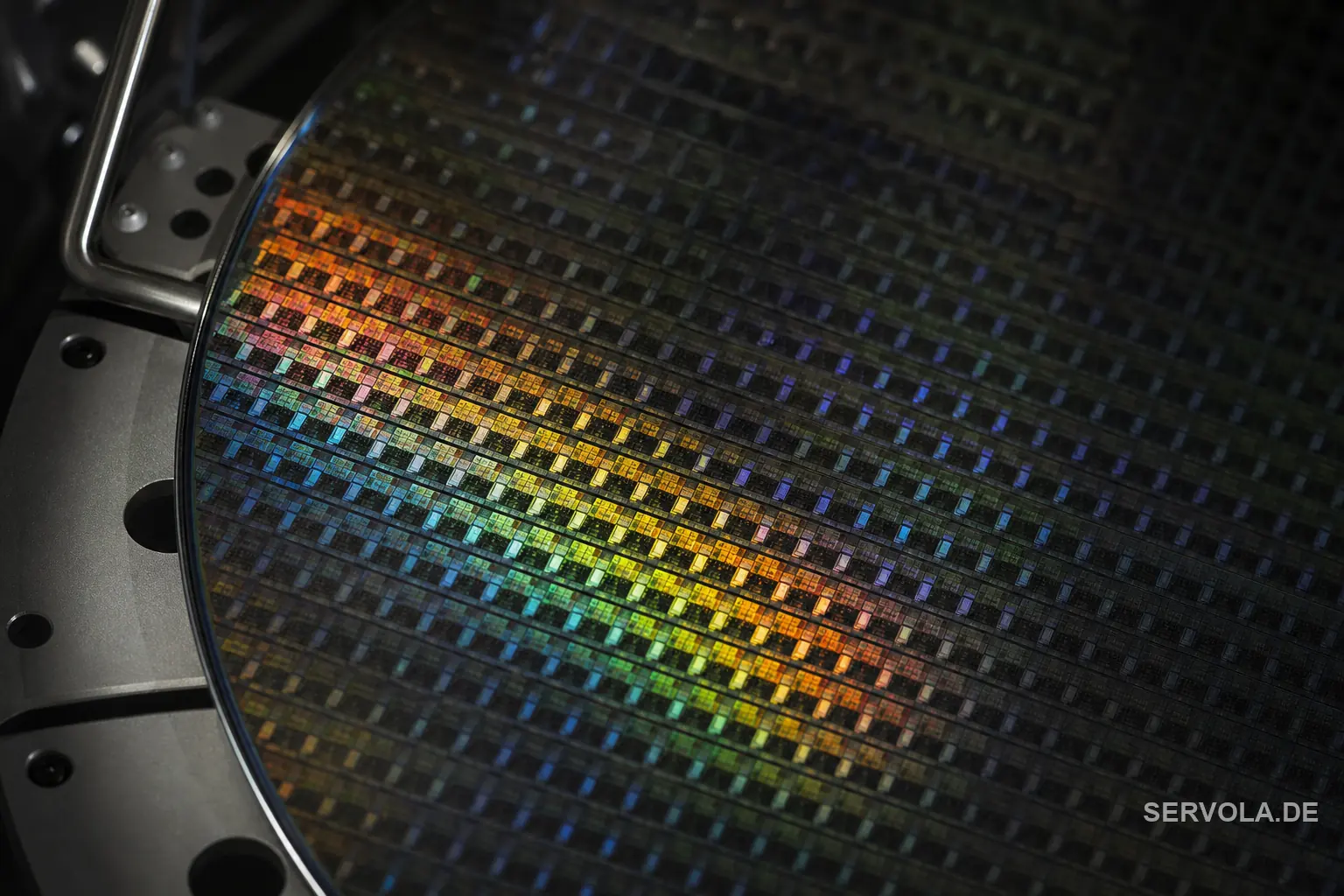
According to industry reports this week, TSMC has notified customers, among them Nvidia, Apple, AMD and Qualcomm, that it will raise wafer prices by roughly 5 to 10 percent across its advanced manufacturing processes, including 3nm, 5nm and 7nm. As Tom's Hardware noted, those nodes account for about 74 percent of TSMC's wafer business, so this is not a niche adjustment but a change that touches most of what the world's largest contract chipmaker produces.
Samsung moved in parallel. Digitimes and several hardware outlets reported that Samsung Foundry is lifting prices on its 4nm and 5nm processes by around 15 percent for new clients, with some 8nm automotive nodes also affected. Even Japan's Rapidus, still trying to break into the leading edge, is reportedly targeting high 2nm wafer pricing rather than undercutting, according to TrendForce. When the challenger prices high, the direction of the whole market is clear.
Why the direction only points up now
For most of the last two decades the working assumption in electronics was that each new process node lowered the cost per transistor, so waiting a cycle made hardware cheaper. AI demand has broken that. Advanced-node capacity is now scarcer than the orders chasing it, which hands pricing power to the foundry rather than the buyer. On top of that, every new node carries heavier research and equipment costs, led by the price of EUV lithography, and those costs are passed forward rather than absorbed.
The result is a supplier-set market. A chip designer that once played TSMC against Samsung to shave a few points off a wafer now finds both raising prices in the same quarter. The leverage that buyers held for years, the ability to threaten to move volume, weakens when there is no cheaper door to walk through. That is the real news here, more than any single percentage: the side that sets the price has changed.
What a European operator should budget for
Almost nothing an operator buys escapes this. A phone, a laptop fleet, a car, a server rack and an edge sensor all sit on leading-edge or near-leading-edge silicon, and a wafer that costs the maker more shows up later in the price of the finished part. For a European buyer planning refreshes in euros or pounds, the practical move is to model hardware budgets with a rising cost floor rather than the falling one that held for years, and to stop treating a delay as a way to pay less.
It also changes how you think about supplier risk. Splitting orders between TSMC and Samsung was a classic hedge, but it does little when both raise prices together, so the more useful questions are about timing and lock-in: whether to buy hardware sooner rather than later, and whether long-lived equipment is being priced on assumptions that no longer hold. The cost of compute and of every device around it is being reset at the foundry, well upstream of the invoice you eventually see.
Read next: Memory Got This Expensive For Two Separate Reasons | Intel's Foundry Grew 31%, and You Still Depend on TSMC