The price you see already has the shortage in it
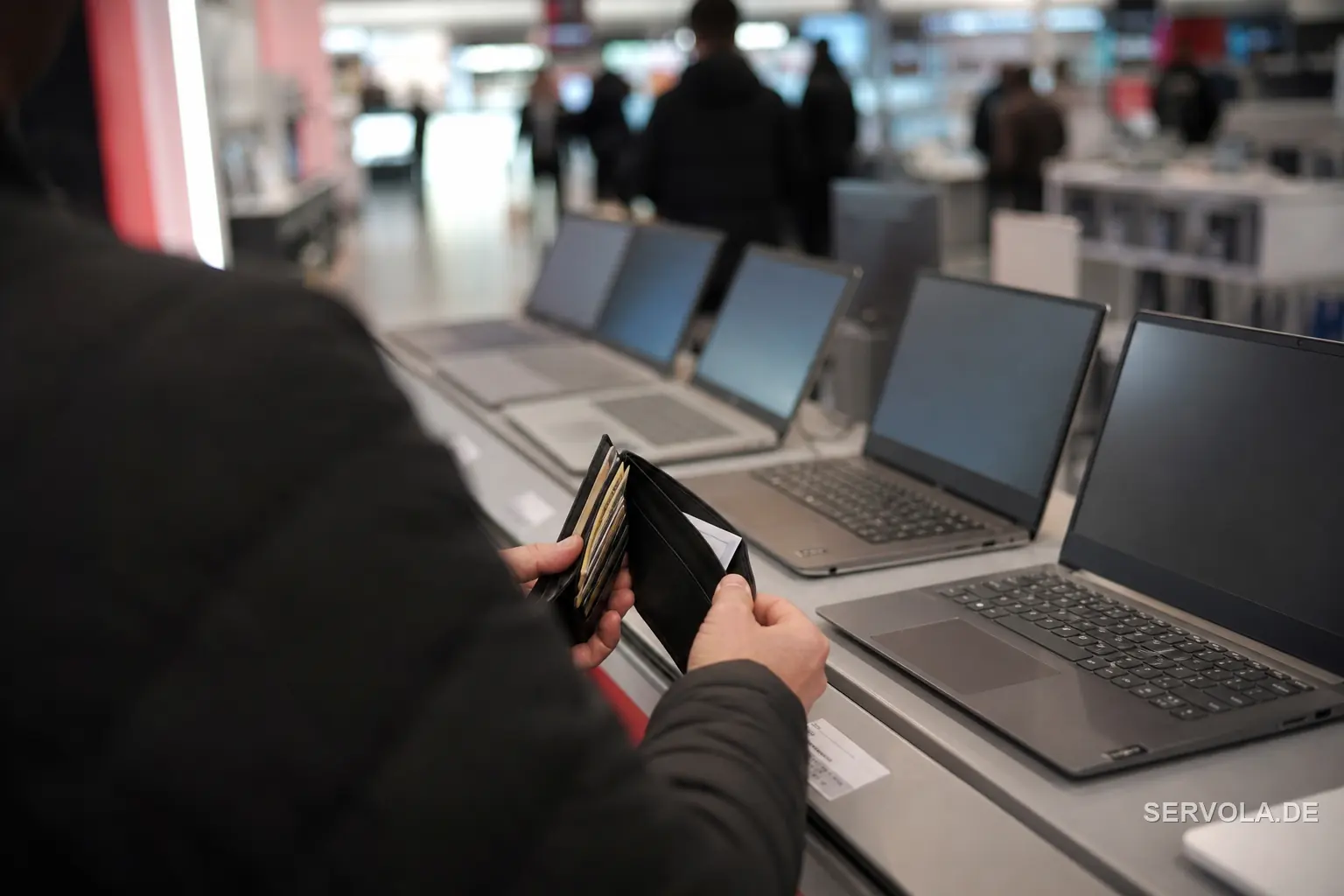
Walk into a shop for a mid-range laptop today and the sticker looks like a normal price. It is not. Global DRAM contract prices rose an estimated 90 to 95 percent in the first quarter of 2026 and climbed again through the second, while consumer memory modules and solid-state drives jumped even harder at retail. A 32GB DDR4 kit that sold for 60 to 90 dollars in late 2025 was fetching 150 to 180 dollars by January.
Device makers cannot absorb that quietly. Dell, HP, Lenovo, Acer and ASUS have all warned of 15 to 20 percent higher prices across their 2026 ranges, and where they hold the price they cut the specification instead. In the United Kingdom that means the same money at Currys or John Lewis now buys a machine with less memory or a smaller drive than it did a year ago.
Why it matters: AI data centres are eating your RAM
The cause sits one industry away from the shop floor. Microsoft, Google, Meta and Amazon are buying high-bandwidth memory for their AI accelerators at a scale that dwarfs the consumer market, and the three companies that make almost all of the world's memory, Samsung, SK Hynix and Micron, have pointed their limited factory capacity at those higher-margin parts. Every wafer that becomes an HBM stack for an Nvidia GPU is a wafer that does not become the module in a mid-range phone.
That is why the squeeze reaches consumer devices at all. Memory is roughly a fifth of the bill of materials in a mid-range phone and a meaningful slice of any laptop, so when the wholesale part doubles, the finished product cannot stay flat. It also explains why the pressure is durable rather than seasonal: the demand pulling memory away is a multi-year build-out, not a holiday spike.
The bottom line: buy the memory now, not the device later
If you know you need a new laptop or phone within the year, the shortage inverts the usual wait-and-save logic. Prices are not expected to ease before late 2027 at the earliest, so delaying a memory-heavy purchase is a bet you are likely to lose. Buy the RAM and storage you actually need in one purchase now, because topping up later will be dearer per gigabyte than it has been in years.
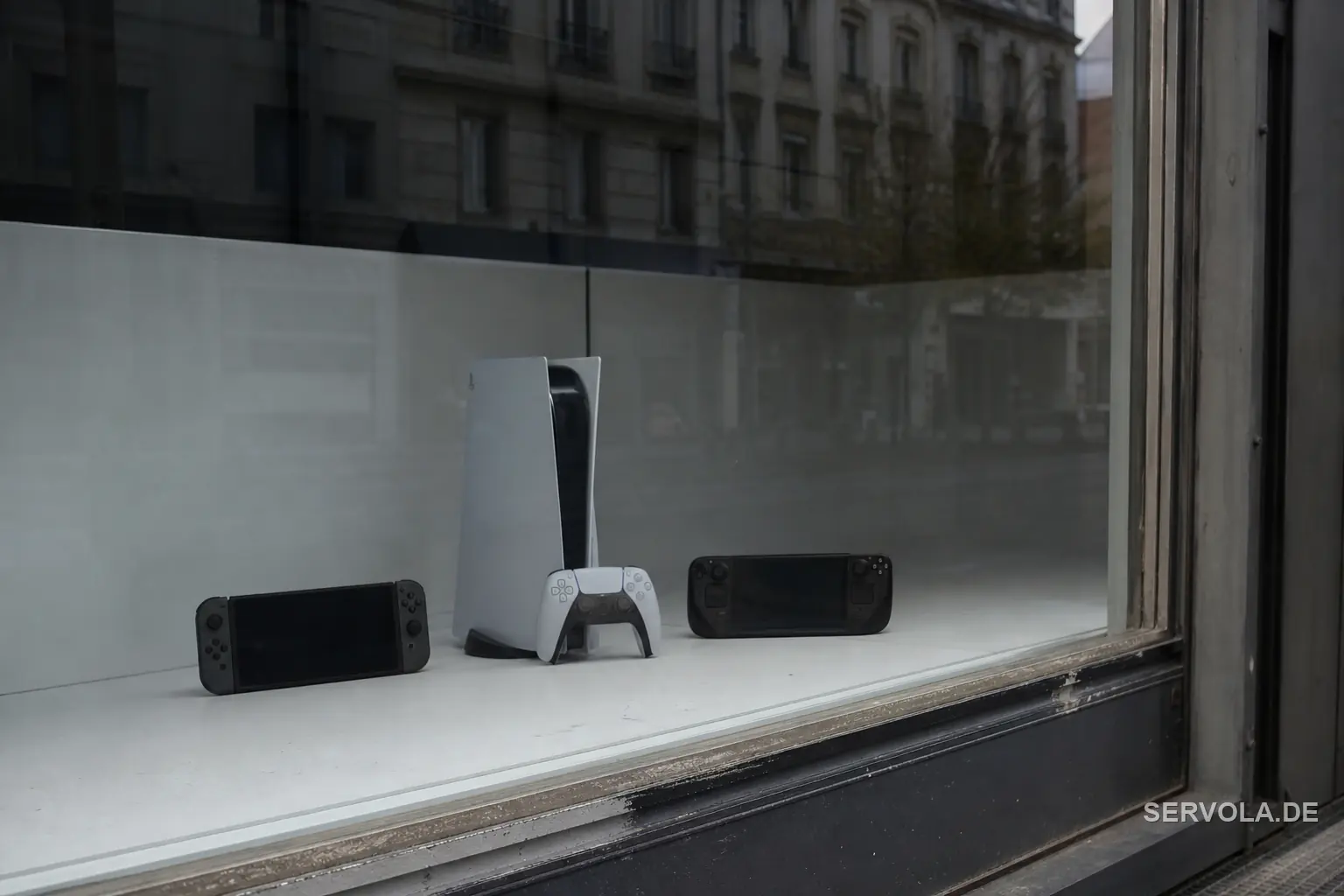
The same maths reaches the living room. Nintendo has confirmed the Switch 2 rises to 499.99 euros across Europe from 1 September, and leaked pricing points to sharp increases on the next Samsung foldables, both traced to the memory market. For a household or a small business planning a refresh, the disciplined answer is to front-load the memory-dependent devices in 2026 and treat any fixed price point as buying less capacity each quarter it waits.
Read next: The Cheap Phone Is Disappearing From Europe | Three Firms Now Decide If Your Phone Stays Cheap