A 1950s enrichment plant becomes an AI campus
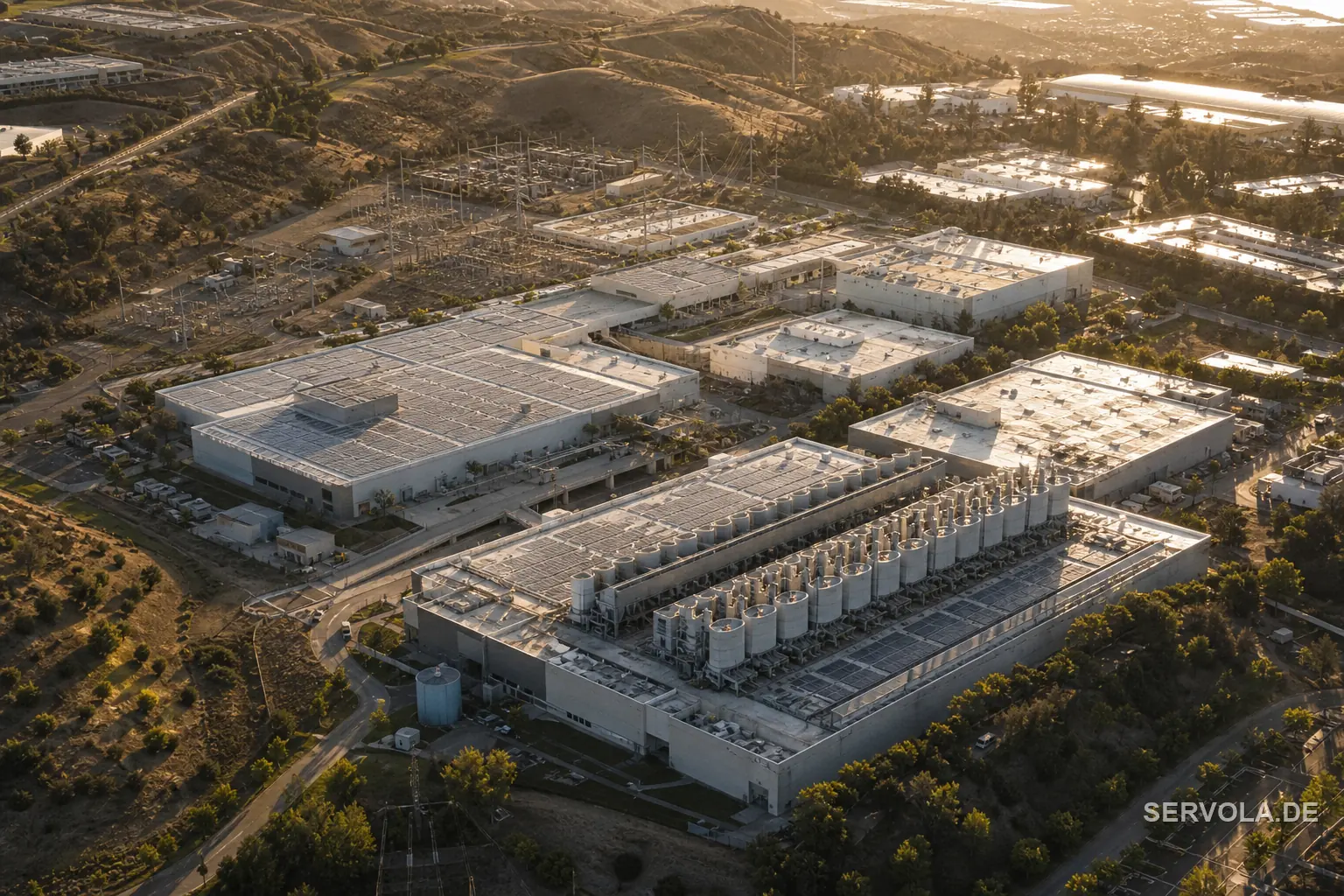
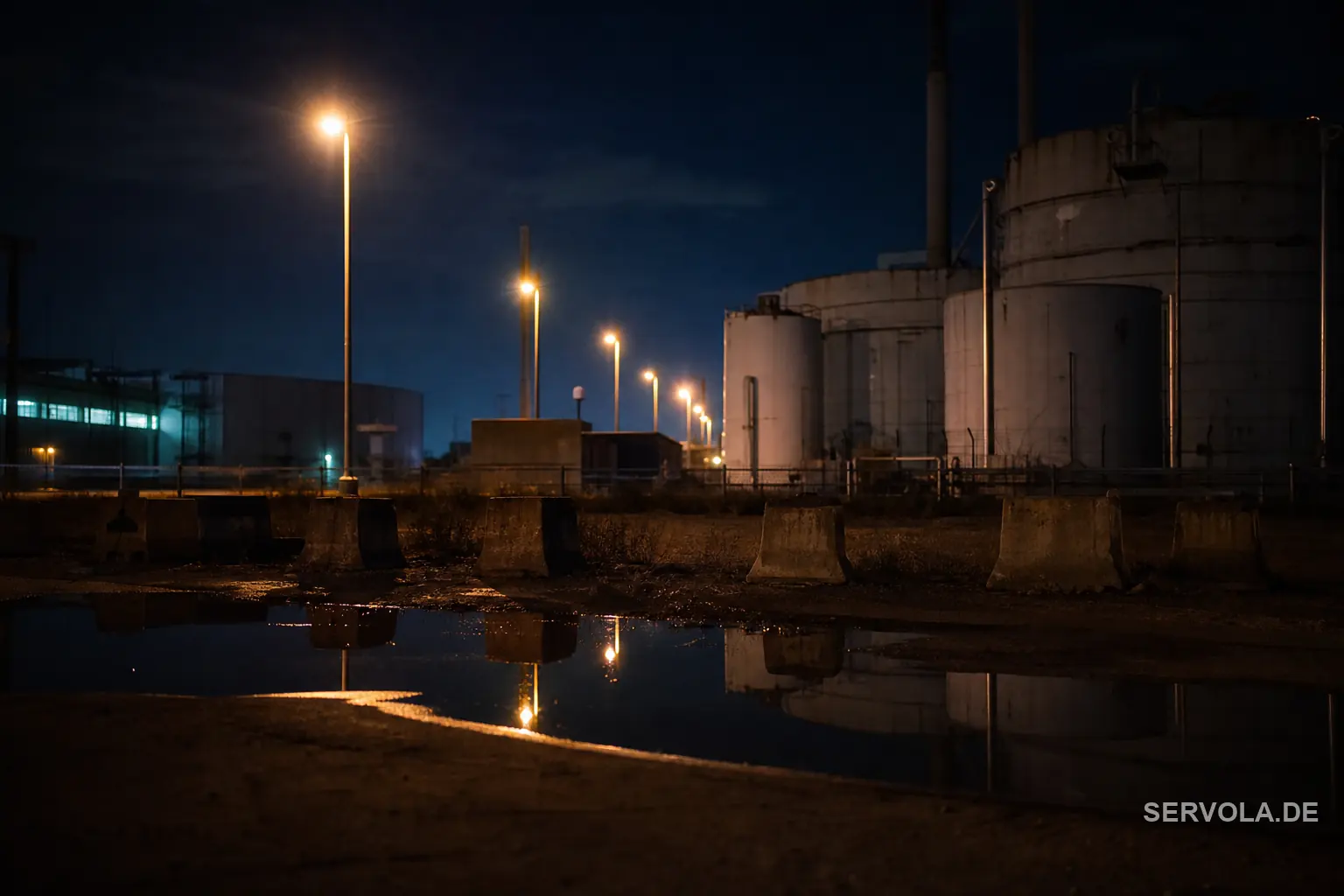
The US Department of Energy said on 29 July that it had selected Brookfield and NextEra Energy to develop an AI and high performance computing campus on the Paducah site in western Kentucky. The property is federally owned, and a gaseous diffusion plant enriched uranium there from 1952 until commercial enrichment stopped in May 2013. The investment is put at more than 100 billion dollars, privately funded, with roughly 8,000 construction jobs and 600 permanent positions. Brookfield will develop and operate the campus on leased federal land, and NextEra Energy will build and own the dedicated energy infrastructure.
Energy Secretary Chris Wright framed the award as evidence that the energy infrastructure can be built without passing costs to surrounding communities. Bruce Flatt of Brookfield described the site as the seed of a plan to invest 100 billion dollars in AI infrastructure. The land itself is why this site was reachable at all. It was returned to the department in October 2014, covers around 3,556 acres and carries more than 500 existing facilities, along with the transmission, water and fibre that a 61-year enrichment operation required.
Count the power equipment against the compute
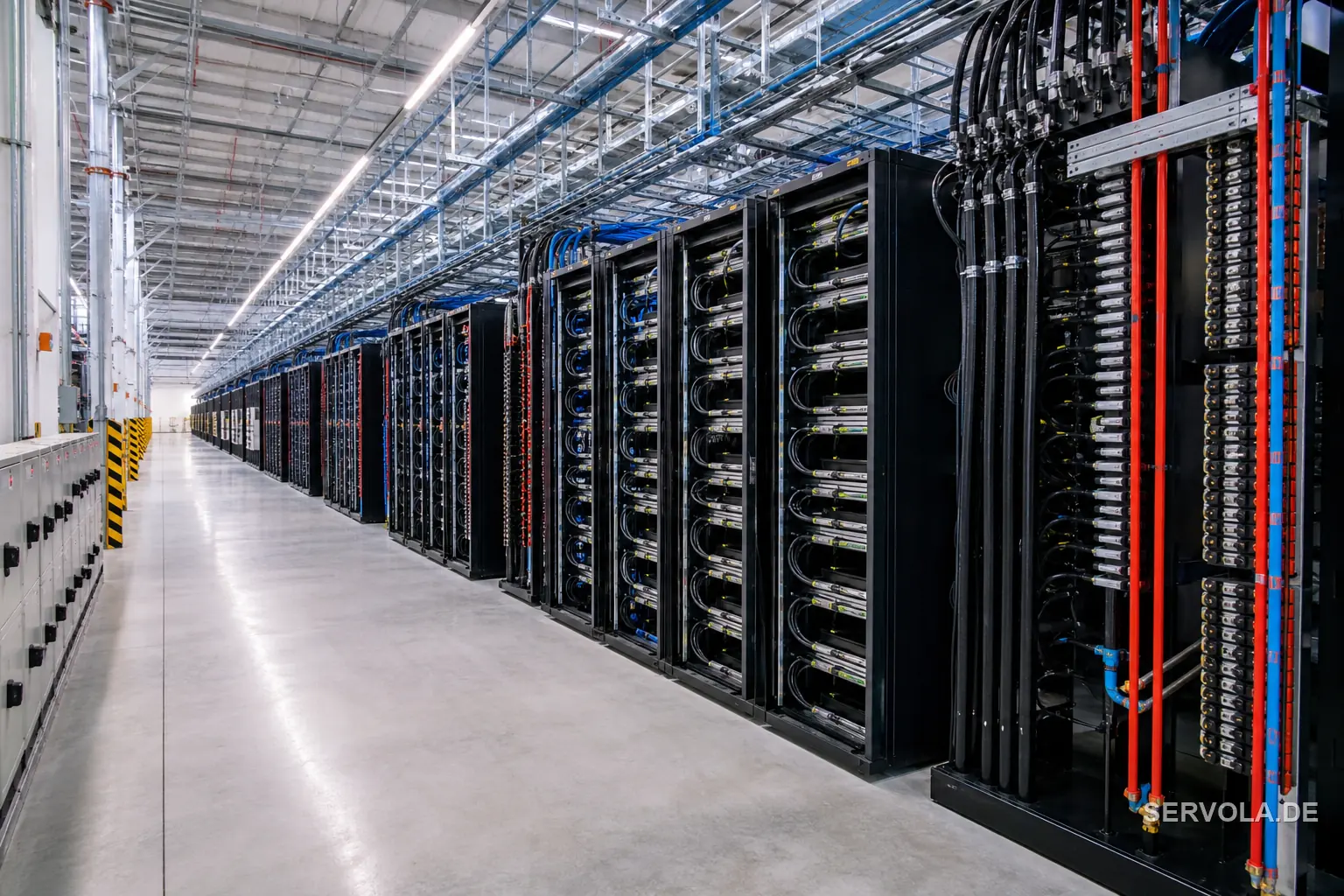
The campus is sized at 1.8 gigawatts of electrical demand and more than 1.2 gigawatts of data centre compute capacity. To serve it, NextEra will build up to 2 gigawatts of natural gas fired generation and up to 2.6 gigawatts of battery energy storage. Big Rivers Electric Power Corporation supplies wholesale electric service, Jackson Purchase Energy Cooperative handles retail delivery, and Paducah Power System is named as a community partner.
Add the generation to the storage and the project carries up to 4.6 gigawatts of power equipment to stand up rather less than a third of that in compute. The firm part is thinner than the headline figure suggests. Batteries move energy, they do not make it, so the only new firm generation is the 2 gigawatts of gas, against a campus rated at 1.8. The 2.6 gigawatts of storage is there because a data centre's load and a gas plant's ramp rate do not match, not because it adds supply.
Everyone is named except the customer
Read the announcement for who is accountable and the list is unusually complete. The developer is named. The owner of the generation is named. The wholesale utility, the retail cooperative and the community partner are all named. Even the legal basis is named, the Atomic Energy Act of 1954 together with the 1993 Hall Amendment. What is not named anywhere is a data centre tenant or customer.
That absence is the story, because it inverts the order these deals normally follow. When TeraWulf leased AI capacity in Kentucky earlier this month, it had a counterparty and a 20-year term before it said anything publicly. Here the power is being contracted, the land leased and the utilities arranged ahead of a signed compute buyer. Capacity built in that order is speculative supply, and speculative supply gets priced when it is sold, not when it is announced.
Nine months to choose, five more years to build
The procurement timeline is worth writing down. The department issued its request for offers in November 2025, responses closed on 30 January 2026, and the winner was announced on 29 July 2026, so roughly nine months to pick a developer. Construction is expected to complete in 2031, with the campus described as fully built out in 2032. The power service agreement still requires approval from the Kentucky Public Service Commission.
Hold that against the site's advantages. This is federal land with existing transmission, existing water, existing fibre and 500 buildings already standing, chosen precisely because those things shorten a build. Even so, first capacity sits more than five years from the award. Any 2027, 2028 or 2029 capacity being offered to you today is therefore not coming from new construction of this kind. It is existing capacity being resold, or it is a date with no plant behind it.
What a European operator should take from a Kentucky award
The transferable content is the ratio and the sequence, not the geography. The ratio says that buying AI capacity means paying for roughly four units of generation and storage equipment for every unit of compute, and that cost sits in somebody's price even when it never appears on your invoice. The sequence says the power side of a campus is now committed years before the compute side is sold.
The practical step is short. When a provider quotes you capacity for 2028 or later, ask which plant serves it, whether that plant is built, and whether the provider holds a signed power agreement or an application sitting in a queue. In Europe that question runs through the national transmission operators rather than a federal land award, and the connection queue is usually where the honest answer lives.
Read next: CAISO Tells FERC It Has No PJM-Style Shortfall | EIA Halves Texas Power Forecast Before Any Ruling