What Bitdeer actually signed
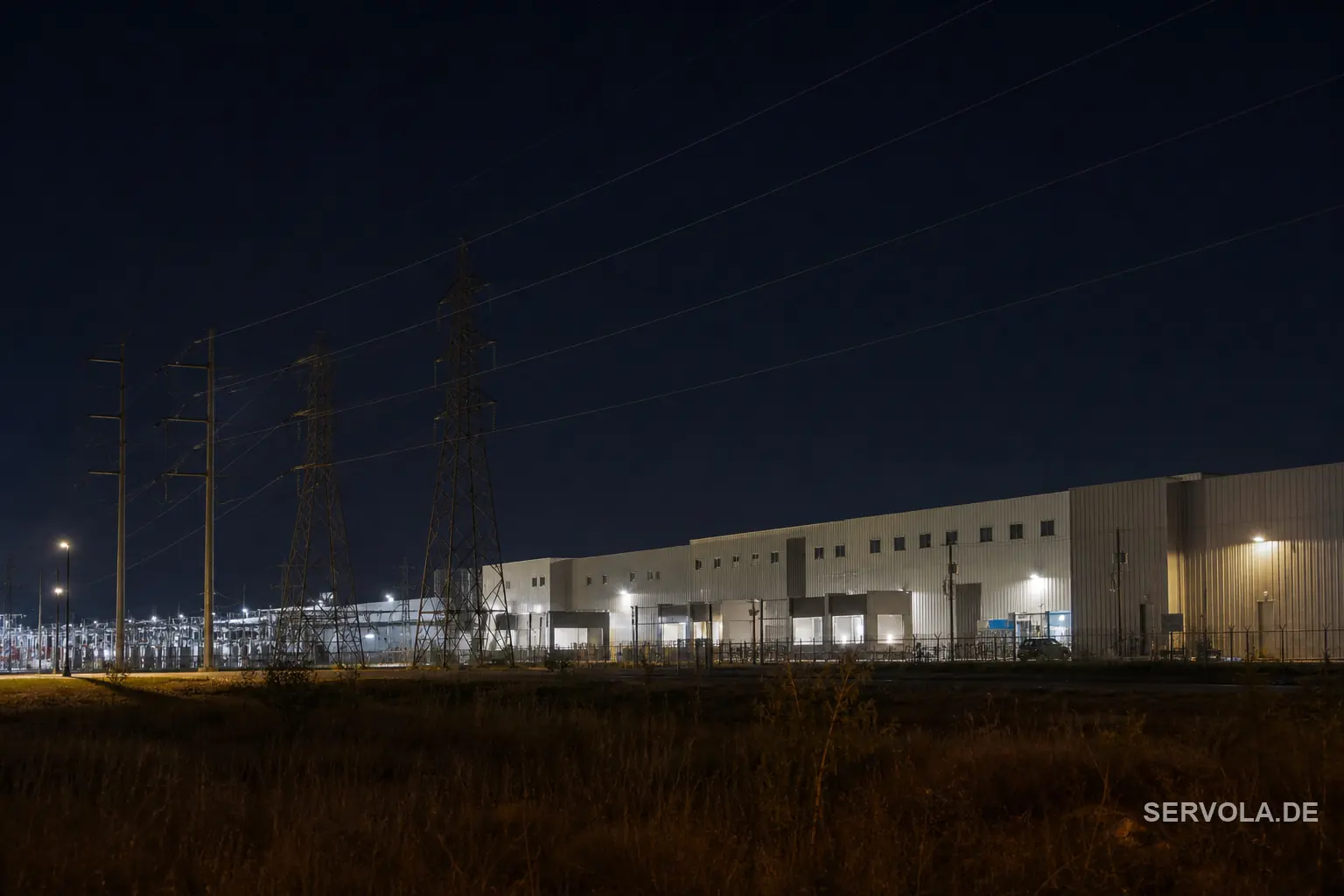
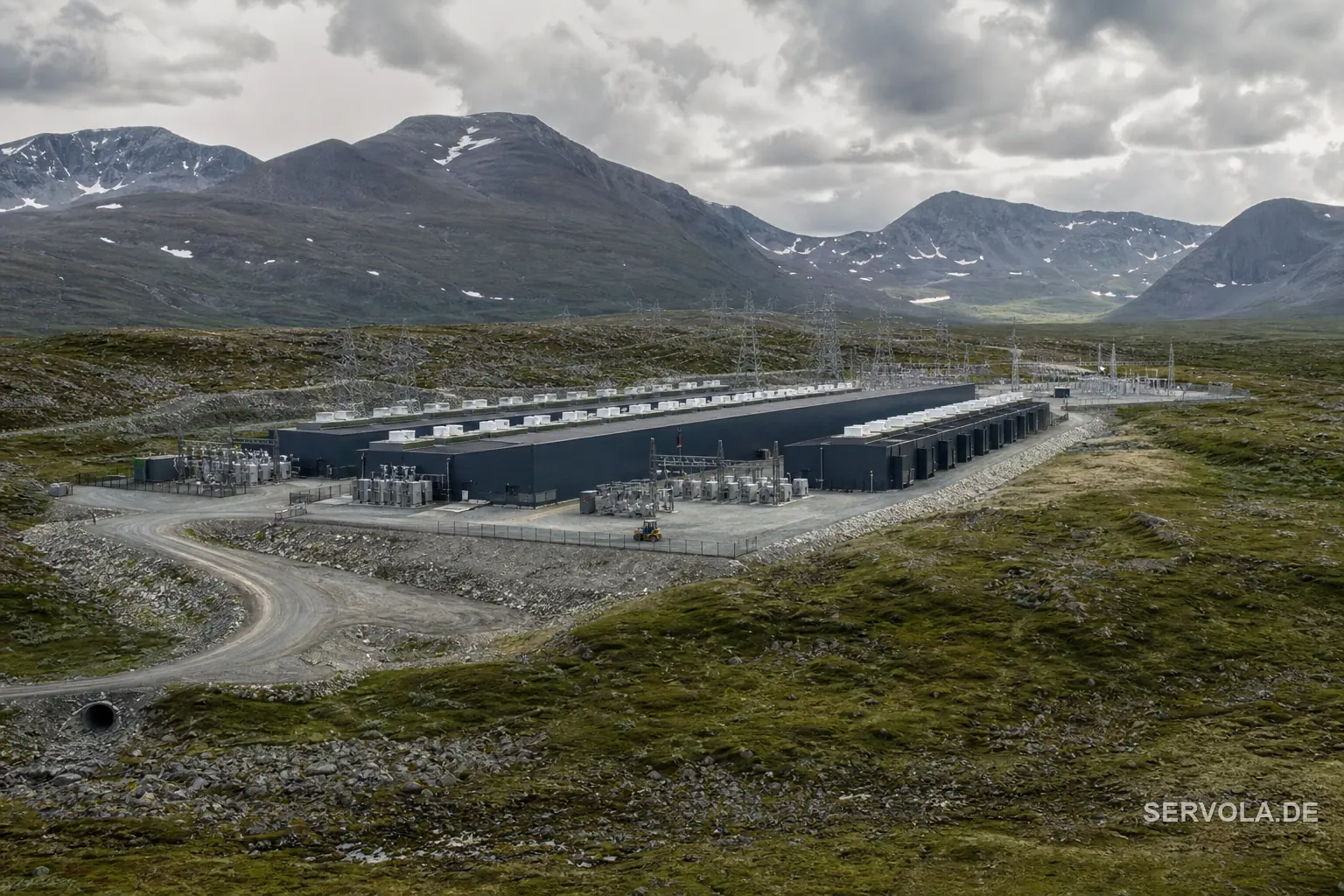
Bitdeer announced a 16 year colocation and services agreement covering its Tydal campus in Norway, signed through its subsidiary Tydal Data Center AS with Volta Tydal AS as the tenant. The contracted critical load is 121 megawatts of IT capacity against an estimated 133 gross megawatts, at a design power usage effectiveness of roughly 1.1, running entirely on renewable hydropower. Initial contracted revenue is 4.7 billion dollars across the base term, and an eight year renewal option would take the potential total to 8.0 billion dollars over 24 years. Bitdeer named Dell Technologies as the technology provider and confirmed NVIDIA graphics processors across the full 121 megawatts.
Bitdeer described its counterparty's customer only as a leading AI lab. Bloomberg reported that the lab is Anthropic and that Anthropic has committed to around 10 billion dollars of compute from Volta, a company founded earlier in 2026 by managers who came out of Brookfield and which has raised 300 million dollars at a 2.4 billion dollar valuation. Delivery is staged: phase one by 31 December 2026, phase two by 31 March 2027, and two additional data halls of 47 gross megawatts targeted for the second half of 2027. Credit support runs to 1.3 billion dollars in letters of credit from J.P. Morgan and another major institution, against roughly 500 million dollars of remaining capital expenditure.
The arithmetic of 202 dollars a kilowatt month
Bitdeer put the average rate at 202 dollars per kilowatt month. That figure is worth doing by hand, because it reconciles the whole deal. At 121,000 kilowatts of contracted load, 202 dollars a month comes to about 293 million dollars a year, and 16 years of that is roughly 4.69 billion dollars, which is the 4.7 billion the company reported. Per megawatt the rent is about 2.42 million dollars a year.
The important clause is that electricity is reimbursed separately, on a pass through basis. The rent buys the building, the cooling, the connection and the operations, and the power bill sits on top of it. That is how a landlord arrives at an expected net operating income margin near 90 percent: it has sold a 16 year annuity and retained almost no exposure to the price of the commodity that dominates the tenant's running cost.
Set against that, 121 megawatts of continuous load is about 1.06 terawatt hours of electricity a year at full utilisation. The tenant has agreed to buy the shell for 16 years and to absorb whatever a terawatt hour a year costs in the Nordic market across that entire period. Anyone who has watched European power prices move since 2021 will recognise which side of that contract carries the variance.
Why a mining site was the fastest route to 121 megawatts
The detail that matters most is the one nobody put in a headline: Bitdeer is a bitcoin miner, and Tydal was built as a mining campus. Mining companies spent years acquiring exactly what an AI lab now needs and cannot quickly get, which is a large, energised, consented grid connection in a place with cheap firm power. The connection was already there. What changed is the tenant.
This reframes the capacity problem. An operator who wants 121 megawatts of new grid connection in most European markets is looking at a queue measured in years, and in several countries at a queue that is effectively closed to new large loads in the congested regions. An operator who buys or leases an existing large industrial load inherits the connection agreement and skips the queue entirely. Bitcoin mining, aluminium smelting and older heavy industry are all, from this angle, inventories of consented megawatts. Norway has cheap hydropower, but cheap power was never the scarce input; a live connection to it was.
What a European operator should take from this
The first practical lesson is procedural. Before you apply for a new connection, establish what is already connected near you and whether it is fully used. Sites with lapsed or partly used industrial capacity are the shortest path to power, and the transaction is a lease or an acquisition rather than an application. That is a corporate development question, not an engineering one, which is why it usually reaches the wrong desk.
The second lesson is about who now sets the price. A rate of 202 dollars per kilowatt month with power passed through, signed for 16 years by a company that did not exist eighteen months ago and underwritten by 1.3 billion dollars of bank paper, is the market clearing level for firm renewable European capacity when the buyer is an AI lab. Any European manufacturer or data centre operator bidding for the same connections is now bidding against that number. The constraint on this deal was never turbines or transformers. It was whether a bank would stand behind a young tenant for sixteen years, and two of them did.
Read next: Volta Infra: $10bn Anthropic Deal at 7 Months | Anthropic's Compute Bet Was Hidden Across Six Contracts