Three days between a resignation and a bigger job
On 21 July, Lord Vallance left government. The science minister stepped down citing personal reasons, closing nearly a decade in and around public science leadership. Three days later the Cabinet Office announced he was back, as chair of a new Prime Minister's AI Taskforce reporting directly to Andy Burnham, and as chair of the Oxford-Cambridge Growth Corridor.
Between those two announcements, the department he had served was deleted. The Department for Science, Innovation and Technology was abolished in a machinery-of-government change published on 23 July, its functions split across a renamed business department, an expanded culture department, and the Prime Minister's own office. For anyone who sells technology into the UK state, or who tracks UK AI policy for compliance, the counterparty on the other side of the table changed inside 72 hours.
What moved, and where it landed
The pieces went to three different places. The business department was renamed the Department for Business, Innovation, Science and Trade, under Jonathan Reynolds, and absorbed science and innovation. Telecoms, media and the Government Digital Service moved to the Department for Digital, Culture, Media and Sport. AI strategy, public sector AI adoption and the AI Security Institute went to the Cabinet Office.
Those Cabinet Office functions now sit inside a new body, the Office for the Prime Minister and Cabinet, which houses No.10, a new No.10 North unit for devolution and growth, and core Cabinet Office functions. The AI Taskforce lives there too, supported by a Prime Ministerial adviser on AI. Kanishka Narayan, the MP for Vale of Glamorgan, leads it as AI Minister and attends Cabinet, the first time AI has held a seat at that table.
The reporting lines are unusually short. Vallance reports to the Prime Minister. The taskforce reports to Cabinet Secretary Antonia Romeo and to Narayan, and is based with First Secretary of State Louise Haigh. The Cabinet Office named the Vaccines Taskforce as its model, an empowered unit with clear accountability to the Prime Minister. What it did not name was a single target, budget figure or delivery date.
A reporting line is a procurement fact
The AI Security Institute is the part that matters commercially. It is the body that tests frontier models and publishes the evaluations that assurance teams, insurers and public buyers lean on. Moving it from a science department into the political centre does not change its methods, but it does change who sets its priorities and how fast those priorities can shift. Evaluation capacity attached to a ministry moves at a ministry's pace. Evaluation capacity attached to No.10 moves at the pace of whatever the Prime Minister needs this quarter.
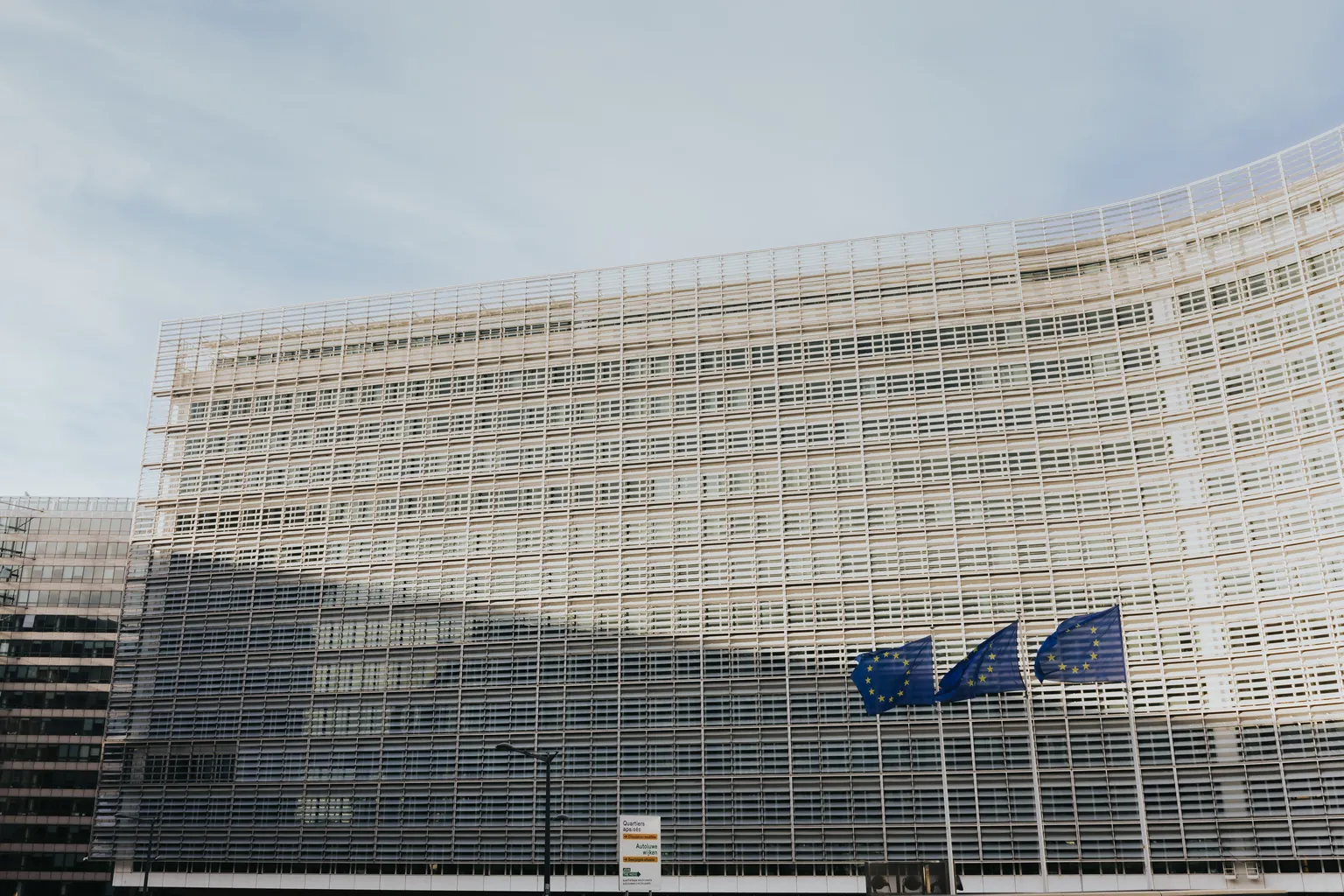
That is the divergence risk, and it runs in the opposite direction to Brussels. The European Commission adopted its final guidelines on Article 50 transparency obligations on 20 July, 51 non-binding pages landing less than two weeks before those duties apply on 2 August 2026. The date is fixed in the Regulation, and no reshuffle moves it. A UK expectation set by a taskforce with no published calendar has no equivalent anchor, which means the common planning assumption that Britain will broadly track the EU is now an assumption about politics rather than about law.
The practical effect is two clocks with different owners. One is statutory and dated, and you can put it into a compliance plan today. The other is a reporting line into Downing Street, and it can produce a new expectation, a new evaluation demand or a new procurement condition with no notice period built in.
What to change before your next bid
Re-point the plumbing before your next bid cycle. If your regulatory watch list, your public-sector bid contacts or your compliance register still say DSIT, they point at a department that no longer exists. Split them three ways: AI strategy, public sector AI adoption and AI Security Institute matters to the Office for the Prime Minister and Cabinet; science, innovation and industrial policy to DBIST; telecoms, media and digital service matters to DCMS. Do it before the next submission or the next internal audit, not after a bid bounces.
Then separate the two clocks inside your own plan. Keep 2 August 2026 as the hard, dated EU milestone for transparency duties, and treat UK AI expectations as a watch item with no date, reviewed monthly rather than annually. If you hold UK public-sector contracts in GBP, ask now which department owns each one after the split, because that answer decides who signs your variations.
Read next: UK Cyber Bill May Make AI Incident Reports Mandatory | Trump's AI Accord Is Voluntary, So Contracts Matter