Two Weeks, Hundreds Of Ports
Kotaku reported on 9 October that hundreds of vibe-coded, AI-decompiled emulators and games had appeared in roughly two weeks, and it credits Claude Opus 5.5 for the surge.
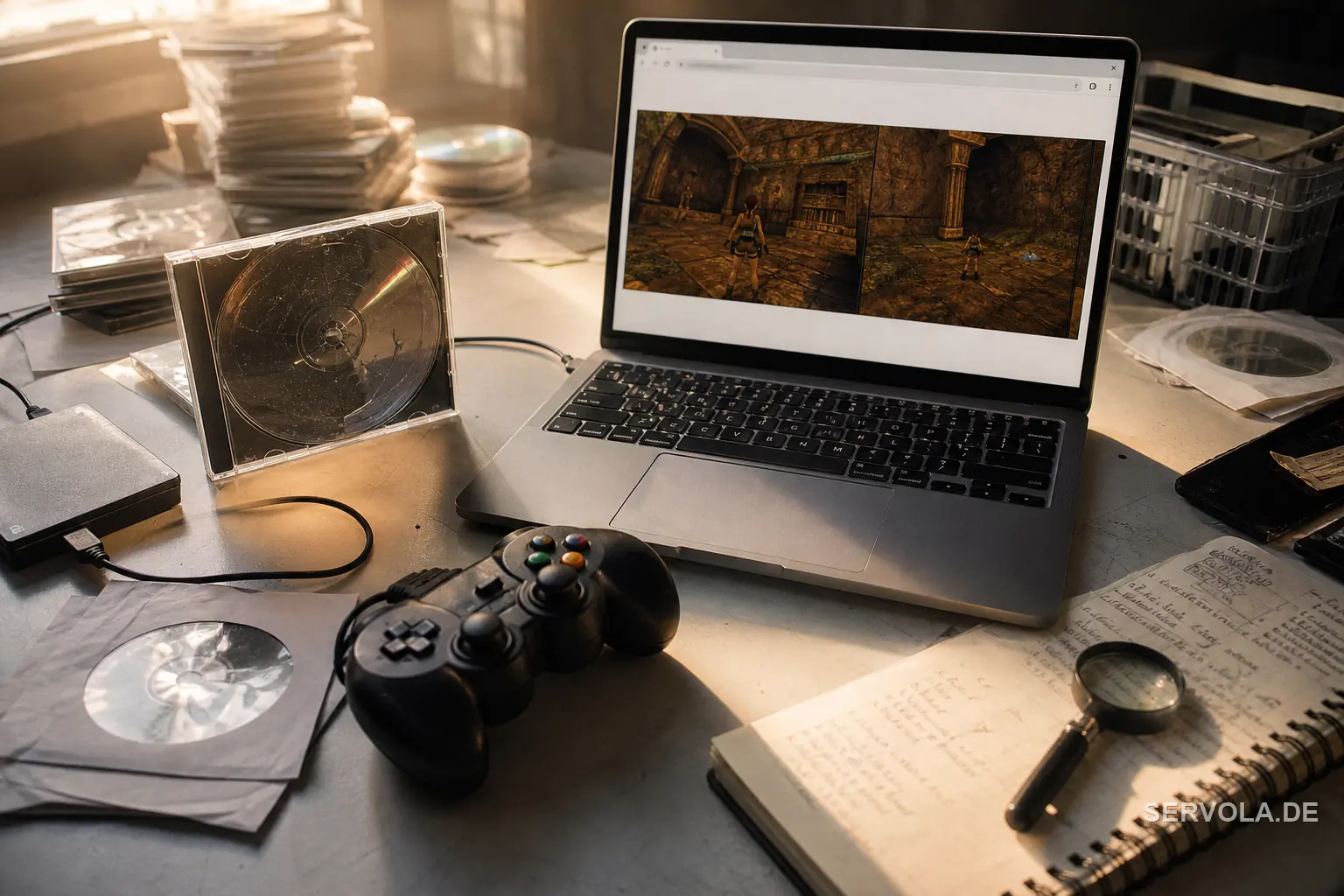
Writer Lewis Parker says browser ports of Call of Duty: Black Ops, Halo: Combat Evolved, Grand Theft Auto: Vice City, Skate 3 and The Simpsons: Hit and Run seem to run very well. One of four Halo ports he tried had working online servers. Most of the games are from the PlayStation 2 or 3 era. The PS3 had about 512 megabytes of memory, Parker notes, and his own web browser was using about 1,200. His point is that memory stopped limiting browser ports long ago, and that Claude Opus 5.5 is an AI you can leave running overnight to decompile a game.
Decompiling Is Not Emulating
Decompilation turns a game's machine code back into readable source code, which is a different job from emulating the console it ran on.
Heise explains the usual route. Fan teams have done it by hand, for example for the N64 classic GoldenEye 007, and players extract the game data from their own copy. Native ports can then be built from the source. For the browser the code is often translated to WebAssembly, so the game runs locally in the tab and isn't streamed from a server. Projects like that took months or years, and language models such as Opus 5.5 can speed them up enormously, heise says.
Heise also cautions that how much AI sits inside each project is often unclear. The Halo browser version it examines was published at the end of September by a developer, builds on other people's decompilation work, ships no game data and asks players to select an image of their own Xbox disc. Not every port includes such a check, and many launch directly.
Takedowns And A Divided Fan Scene
Publishers are reacting, and the fan scene that built the tools is divided. Heise says companies such as Activision appear to be answering with takedown requests and cease-and-desist letters. Some social posts and videos from recent days can no longer be opened, and some browser ports have been taken offline. Kotaku expects the legal teams at publishers such as Take-Two and Microsoft to be busy, and asks what stops anyone vibe-coding another version.
Not everyone who works on old games welcomes it. DarioSamo, the developer behind the unofficial PC version of Banjo-Kazooie called Banjo: Recompiled, distanced himself in early October from an AI-generated Banjo-Tooie port built on his team's tools, saying there's no reason to rush to be first with them on old, widely available games. Open-source veteran Eric S. Raymond, heise notes, long thought games would be the last refuge of closed software, and wrote that if AI can turn games back into source, nothing is safe from reverse engineering. Heise adds that such ports could help preserve titles that are no longer available.
What EU Law Says About Decompiling
The EU's decompilation exception is narrow. Article 6 of the Software Directive (2009/24/EC) lets someone decompile a program without the rightholder's consent only when this is indispensable for making an independently created program work with it.
The person decompiling must have a right to use a copy, the information must not have been readily available before, and the work must stay within the parts needed for interoperability. The article also bars using what is learned to develop a program substantially similar in its expression, or for any other act that infringes copyright.
On its face, a wholesale port of a commercial game doesn't appear to be the use the article describes, though catching anonymous ports is a practical problem. This is a plain reading of the text and not legal advice, and national courts decide the cases.
What To Assume About Your Own Client Binary
Any studio or software vendor that ships a client binary should plan as if the code can be rebuilt as readable source.
| Layer | Reaches the player's machine | What the reports show |
|---|---|---|
| Compiled game code | Yes | Rebuilt as readable source, and heise says language models speed up work that took months or years |
| Game data such as art and audio | Yes | The Halo port heise describes ships none, and players supply an image of their own disc |
| Online servers | No | Kotaku found working online servers on one of the four Halo ports it tried |
That points the value away from the executable. Accounts, purchases and live content that really run on your servers can't be copied out of a download, while licences, updates and a fast takedown process protect the rest. Kotaku's note about working servers on one Halo port is a warning that the network layer can't be assumed to stay out of reach either.
Set a budget for this now: a named person who can file takedowns within a day, a list of what is server-side, and a licence model that doesn't depend on keeping the binary secret.
Read next: Anthropic Charges for Requests Its Safeguards Block | Third Circuit Rejects Ross's Fair Use Defence