The number regulators just put on the grid bill
ACER, the EU Agency for the Cooperation of Energy Regulators, published its 2026 Electricity Infrastructure and Security of Electricity Supply monitoring reports on August 17, 2026, presenting them to EU energy ministers at the Transport, Telecommunications and Energy Council. The headline figure: annual EU power grid investment needs to roughly double, reaching up to 100 billion euros a year, to keep pace with electrification, renewables connection and rising demand from data centers and industry.
ACER's own modeling shows what happens if that investment does not materialize on schedule versus if it does. Either way, network costs are heading up: the agency estimates they could rise 20 to 40 percent by 2030, and by as much as 100 percent by 2050, as grids catch up on decades of underbuilt capacity.
Where the money was supposed to go, and did not
The reports single out cross-border capacity as the clearest gap. ACER found that half of the cross-border grid capacity needs identified in the previous pan-European infrastructure plan had no matching investment planned at all, leaving the interconnectors that let electricity flow to where it is cheapest chronically undersized.
That shortfall compounds a separate, longstanding problem: grid operators across the EU remain far off the mandated target of keeping 70 percent of cross-zonal interconnector capacity available for electricity trading. Both numbers point the same direction, borders are where European grid planning keeps falling short, and both were laid directly in front of the ministers who set investment and permitting policy.
Why this is the tariff story to watch, not the fuel-price one
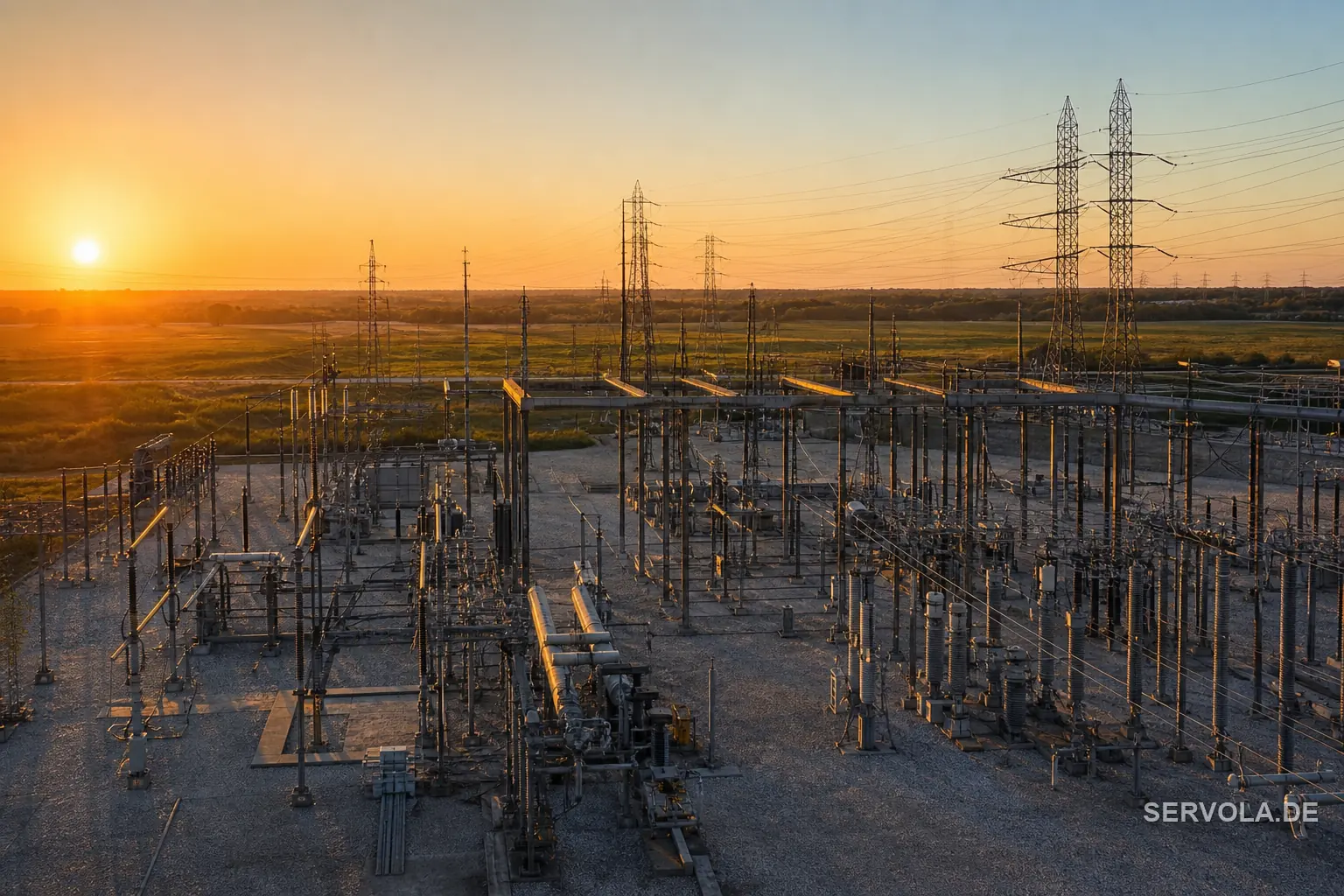
Consumer electricity bills get tracked constantly, but this report is about a different, less-watched line item: the network charge, the portion of an electricity bill or a grid-connection quote that pays for wires, substations and interconnectors rather than for the power itself. ACER has just put an EU-wide number on how much that line item needs to grow, and doubled annual investment does not stay on a regulator's balance sheet, it gets recovered from whoever uses the grid.
For an EU business owner planning a warehouse expansion, a new production line, or a data center lease, that means the grid-connection quote and the ongoing network tariff attached to any new capacity request are likely to be higher, and take longer to secure, over the rest of this decade than they were before this report. Businesses that lock in a grid connection or a long-term power agreement now, before the investment ramp fully reaches ratepayers, are pricing in today's network-cost assumptions rather than the 20 to 40 percent higher ones ACER just outlined for 2030.
What EU and national grid planners do next
ACER's reports were presented directly to the ministers who oversee the EU's grids package, the legislation intended to speed permitting and coordinate cross-border investment. The pointed finding on the 2022 plan, that half of the identified cross-border needs went unfunded, is a direct argument for both faster permitting and firmer investment mandates on national transmission operators, not just more money.
Germany and Poland, both markets with substantial industrial electricity demand and long queues for new grid connections, are typical examples of where this pass-through lands hardest. A business owner in a market like these should treat this report as an early signal to lock in connection timelines and tariff assumptions now, rather than assume today's grid-connection costs will hold through 2030.
Read next: France's AI Data Centre Shortcut Has an Expiry Date | EU Gas Storage Trails Schedule Before Winter