The Loophole Meta Just Closed
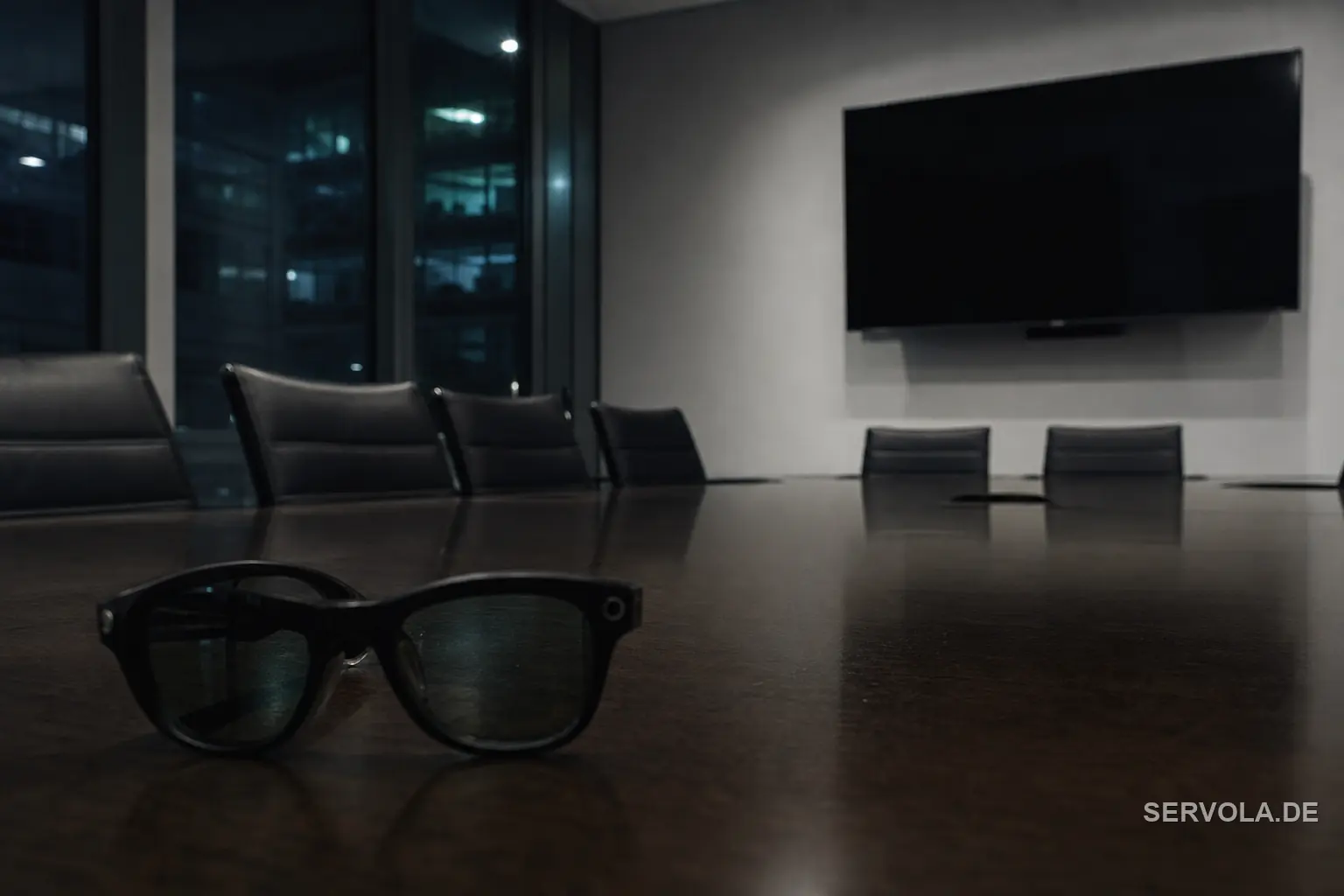
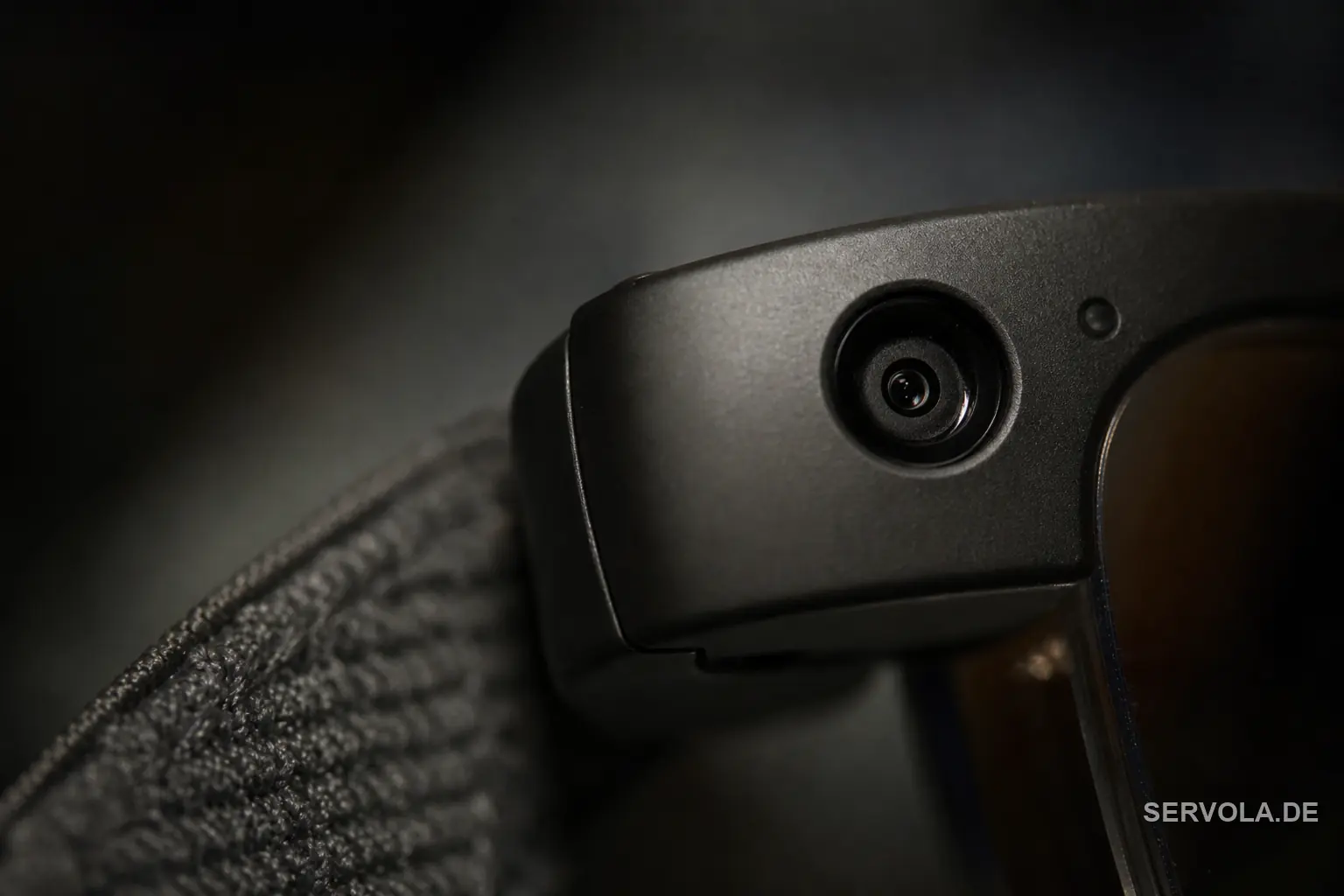
Meta is rolling out a software update for its camera-equipped AI smart glasses so that covering the recording indicator light stops the camera immediately, instead of only checking the light once at the start of a recording.
The gap existed because the glasses verified the light was visible only at the moment someone pressed record. Once recording began, a wearer could place a finger or a piece of tape over the LED and keep filming with no visible warning to anyone nearby, a workaround multiple outlets reported after users demonstrated it publicly in late August 2026.
Meta has not said how long the gap existed before it was found, and the update rolling out now checks the light continuously through a recording rather than once at the start.
What the Fix Does Not Touch
Covering the light no longer hides a video, but it never controlled audio, and it still does not.
The glasses can record sound through the same session regardless of whether the light is visible, and nothing in this update changes that. Critics who reviewed the fix also pointed out that a market already exists for cheap third-party accessories built specifically to block or disguise the recording light without tripping any detection, meaning a determined user still has a way around the safeguard that Meta cannot patch with software alone.
Meta's own response addressed the exact bypass that had gone public, not the wider category of ways the indicator can be defeated.
A Warning Light Was Always a Thin Promise
Even working exactly as designed, the light was never a strong guarantee for the person standing across from it, not just a broken one.
A study published in 2026 found that bystanders frequently fail to notice small LED indicators on smart glasses at all, and that when they do notice one, many do not know what it signifies, with researchers reporting a preference for a physical shutter over any light-based signal. For EU and UK bystanders whose image or voice ends up in someone else's recording without their knowledge, that gap sits directly under the kind of transparency question data protection regulators have historically cared about, even though no regulator has yet ruled on this specific device category.
Fixing one documented bypass is a real improvement. It does not resolve the harder question of whether a small light was ever the right way to tell a stranger they might be on camera.
Read next: Meta Built a Camera-Free Exit From Its Privacy Mess | Apple May Ship Smart Glasses With No Camera