A tenant that cannot borrow on its own name
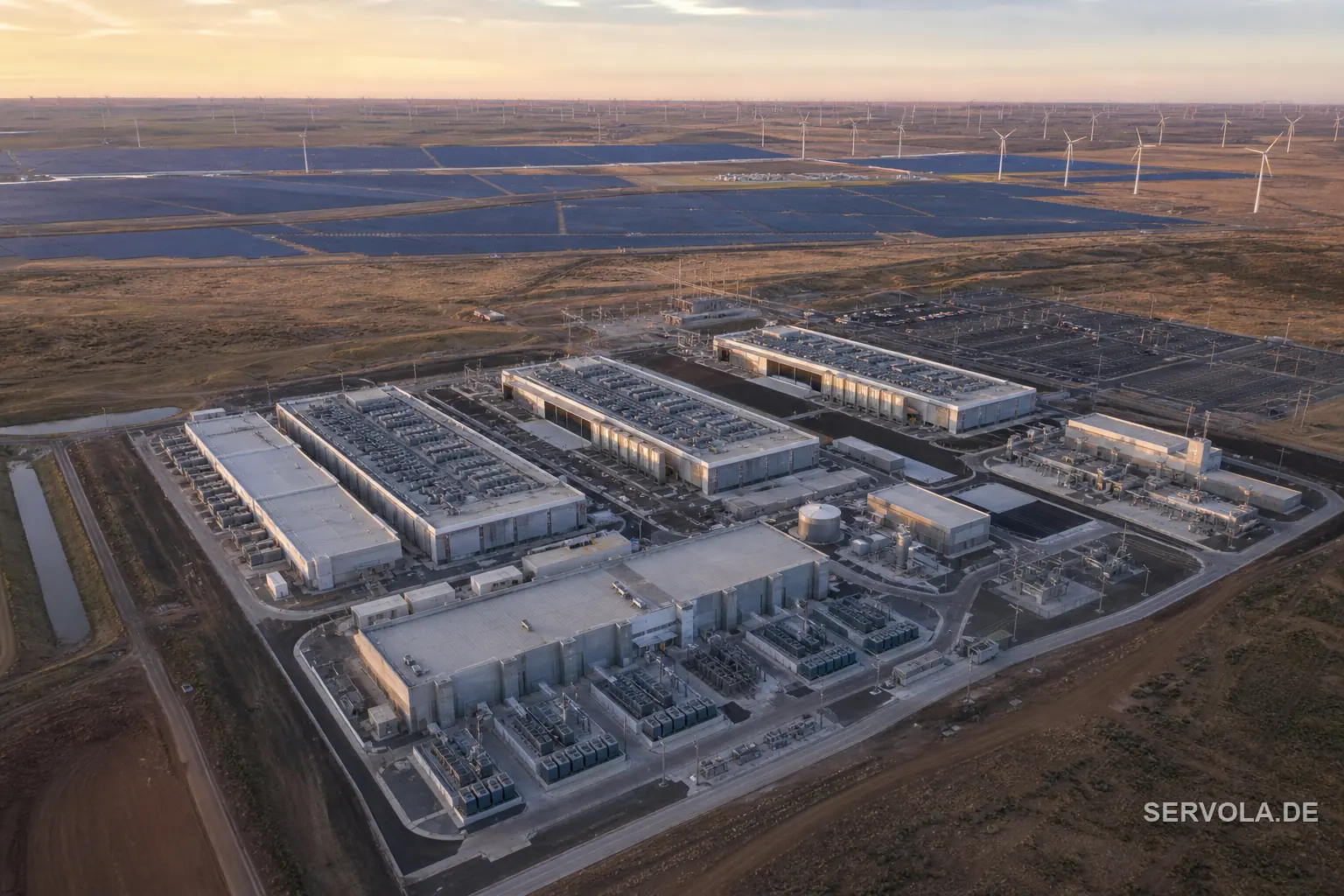
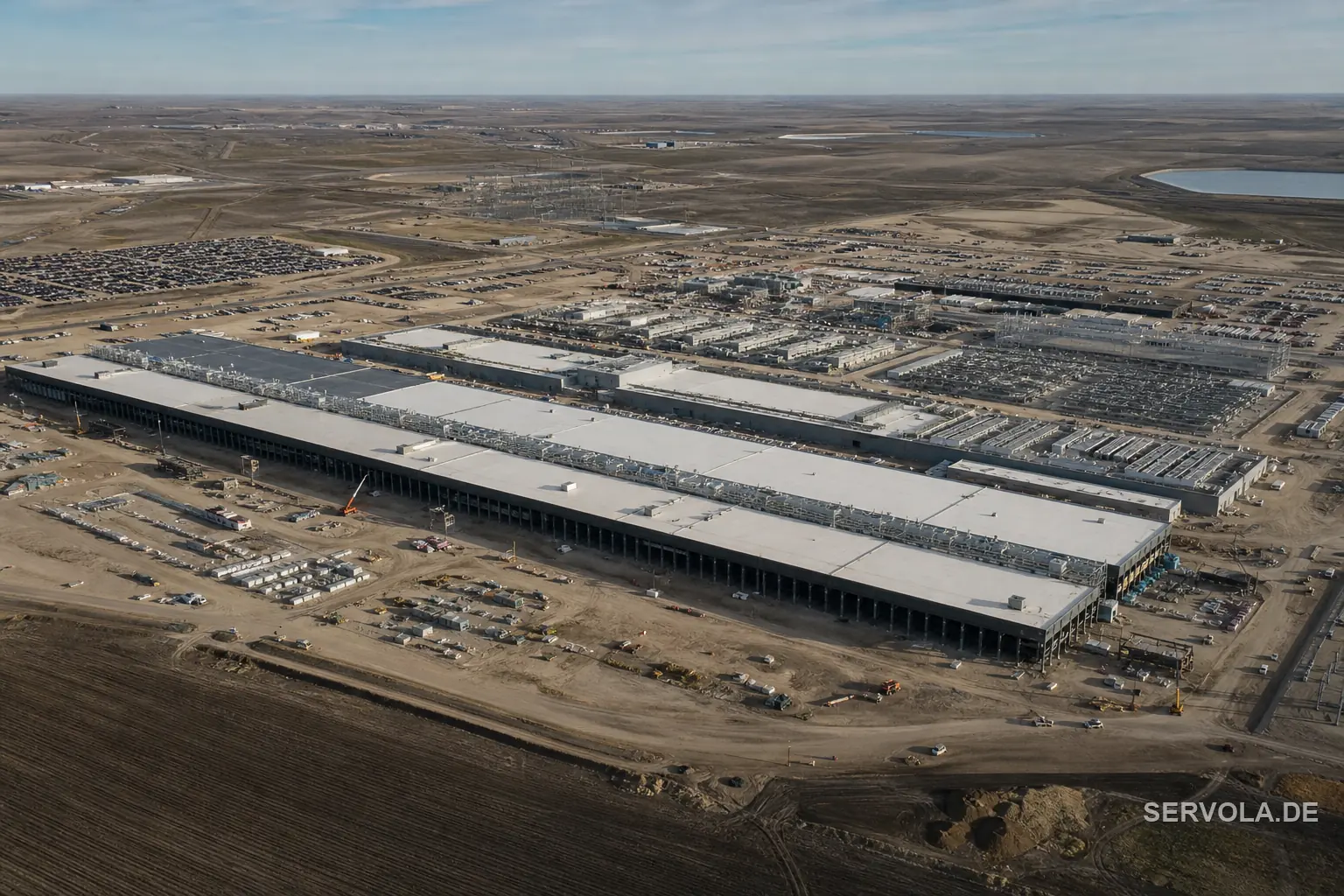
In March 2026, on 3,700 acres of a decommissioned Cold War uranium enrichment site at Piketon in southern Ohio, SoftBank's energy unit broke ground alongside the United States Department of Energy. The site is called the PORTS Technology Campus and is designed to reach 10 gigawatts at full build, which would make it the largest single concentration of AI computing capacity yet planned. On 27 July the Wall Street Journal reported that Nvidia is in talks to guarantee about 250 billion dollars of the financing so that OpenAI can lease it.
Why it matters: the guarantee exists because OpenAI does not hold an investment-grade credit rating. A lease of this size is financed against the creditworthiness of the tenant, and the tenant does not have enough of it, so Nvidia's balance sheet is being substituted for OpenAI's. A separate arrangement, reported at up to 350 billion dollars, would support OpenAI's purchase of chips for the same project. The supplier would therefore be guaranteeing both the building its customer sits in and the hardware its customer buys from it.
The full campus could cost more than 500 billion dollars and is to be served by a natural gas plant reported at 33.3 billion dollars. Microsoft, Google and Anthropic have all been reported as having shown interest in the site. None of that changes the structural point. The largest planned block of AI compute on earth is being underwritten by the company that sells the chips going into it.
What 800 megawatts in 2028 says about 2027 prices
The first phase of the campus delivers roughly 800 megawatts and is expected to be complete by early 2028, at an initial cost of 30 to 40 billion dollars. That is about eight percent of the headline capacity, arriving almost two years from now, on a site where ground was broken in March. The 10 gigawatt figure is a destination, not a delivery date.
The number that matters: almost every AI procurement conversation in Europe this year has been conducted against an assumption that inference prices keep falling because supply keeps arriving. The supply that would justify that assumption is largely this kind of project, and this kind of project now needs a third-party guarantee before lenders will fund even its first phase. A buyer planning 2027 spend on the expectation of a glut is planning against capacity that is still being negotiated.
Yes, but: capacity is genuinely being added elsewhere, and model efficiency has cut the cost of a given task faster than raw compute prices have moved. Both are real. Neither changes what the guarantee reveals, which is that the people lending the money price this build as risky enough to require someone else's name on it.
Three questions to put to your cloud vendor this quarter
Ask which legal entity carries the obligation behind your committed capacity. Contracts for reserved AI compute are frequently signed with a regional subsidiary or a reseller, while the capacity itself depends on a chain of leases and guarantees several steps removed. You are entitled to know whose covenant you are actually relying on, and the answer belongs in your supplier risk register rather than in a footnote.
Ask what happens to your price if a phase slips. Most enterprise AI commitments now run two to four years, which places their back half inside the window when this Ohio capacity is meant to arrive. Establish in writing whether a delay upstream releases you, reprices you, or simply leaves you paying the committed rate for capacity delivered late.
Ask for the exit. A guarantee structure of this scale signals that the financing market treats concentration risk as material, and your own board should treat it the same way. Set a ceiling on the share of your AI workload that may depend on any single campus, model provider or chip vendor, and set it before the next renewal rather than after the next headline.
Read next: OpenAI's Efficiency Claim Has No Independent Check Yet | Ohio Ratepayers Won't Pay for OpenAI's 8GW Campus