A record quarter that Seoul read as a miss
Shares in SK hynix slipped in early Seoul trading on the morning the company published the best quarter in its history. Revenue of 79.3 trillion won, up 51 percent on the previous quarter and 257 percent on the same period a year earlier. Operating profit of 60.5 trillion won, up 61 percent and 557 percent on the same comparisons. Analysts had modelled more, and the print landed as a disappointment.
The share reaction is the least interesting thing in the release. The interesting part is two passages sitting a few paragraphs apart in the same document, which together describe a supplier that has stopped behaving like a commodity manufacturer.
Why it matters: memory is now the fastest-moving line in a European hardware budget, and the company that sets it has just published its own answer to the question every buyer is asking, which is whether the shortage gets fixed.
Seventy-six cents of operating profit per dollar
SK hynix reported an operating margin of 76 percent for the second quarter, four percentage points above the previous quarter and 35 points above a year ago. On revenue of 79.3 trillion won that leaves 60.5 trillion won of operating profit.
Set that against the memory industry's own history. DRAM is the textbook commodity: fungible, price-taking, and famous for cycles in which every supplier loses money at the bottom. A 76 percent operating margin is not a commodity margin. It is the margin of a business whose customers have nowhere else to go.
The sentence sitting next to the record
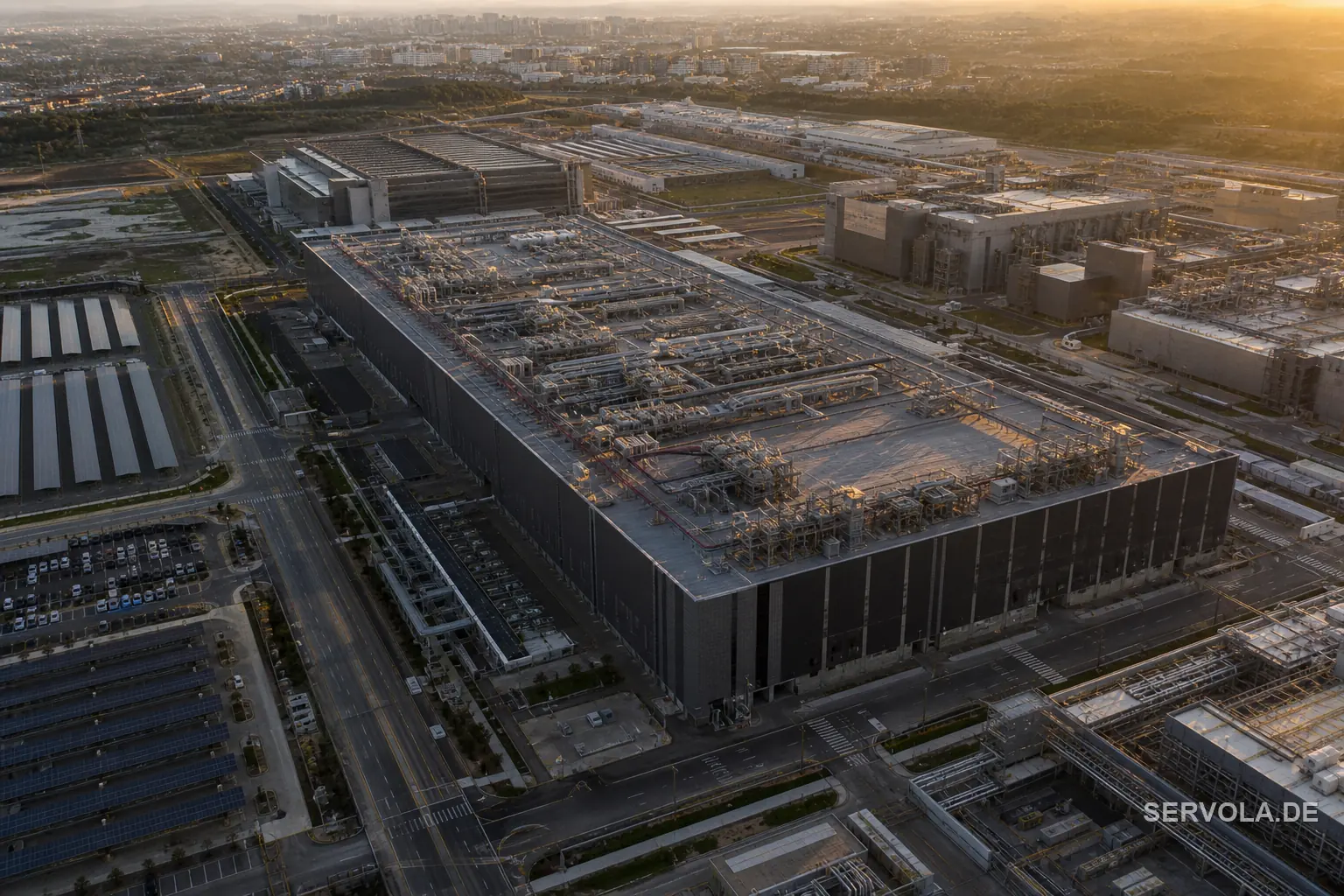
The same release says the company will reinforce both production capacity and financial health while maintaining capital expenditure discipline. It also reports cash and equivalents of 88 trillion won, up 33.6 trillion won in three months, against total debt of 18.6 trillion won. Net cash: 69.4 trillion won.
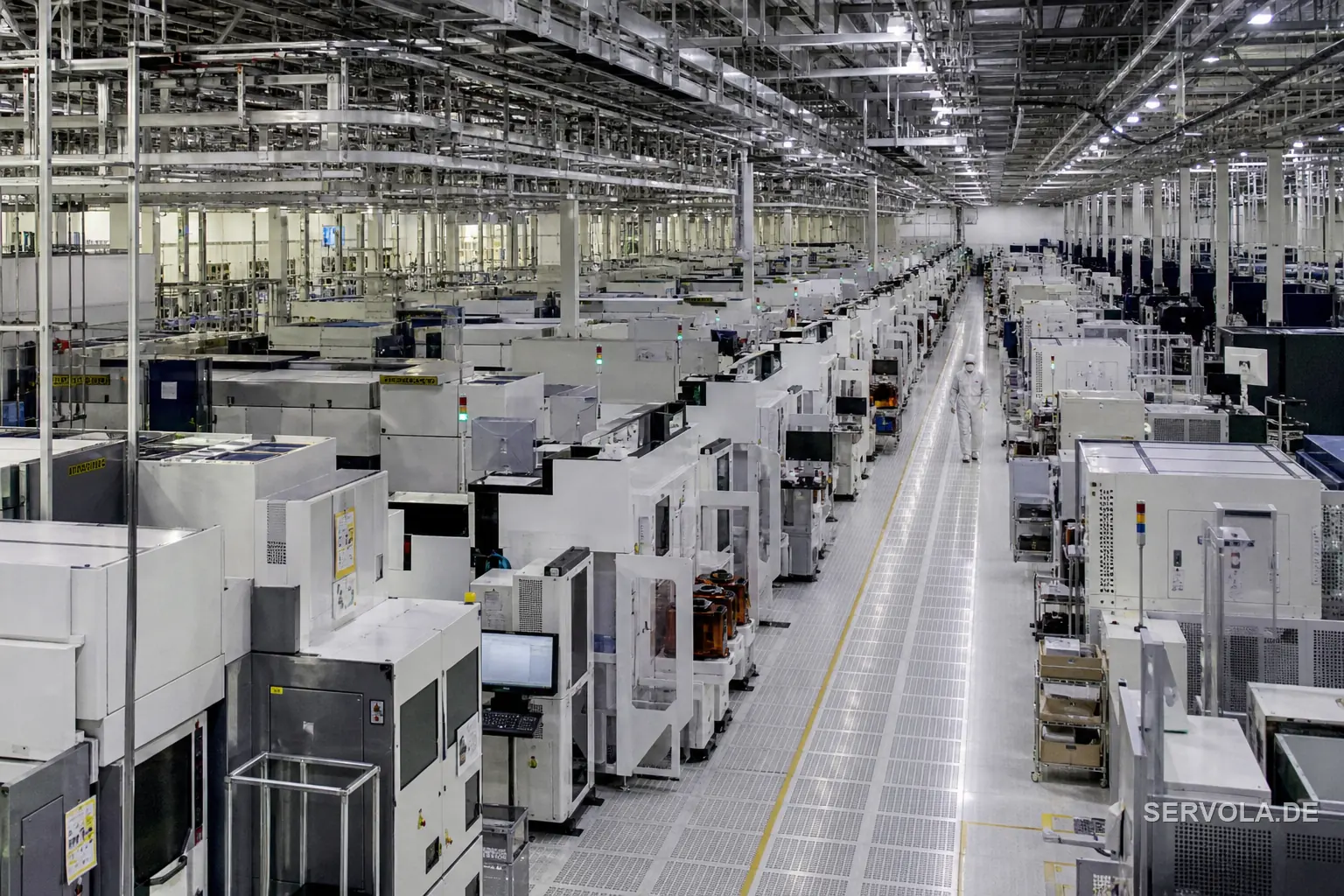
Read those together. SK hynix generated enough cash in one quarter to fund a large fabrication plant outright, and used the same document to signal restraint on capital spending. Whatever is constraining new supply, it is not money, and it has not been money for some time.
The company is not hiding this. Chief executive Kwak Noh-jung told Reuters this month that 2027 will be the worst year in the memory industry's history from a supply perspective, and that he expects demand to run ahead of supply capacity beyond 2030. That is a forecast published by the party best placed to change it.
About ten customers already hold the relief
Elsewhere in the same results is the detail that matters most to anyone buying servers next year. SK hynix says it has finalised long-term agreements with around ten customers and that discussions continue with others. HBM4 entered mass shipment during the quarter with the production ramp scheduled for the second half, and HBM4E sample shipments were completed in the first half.
Ten names. Whatever incremental capacity arrives through 2027 has in substantial part already been contracted before it exists. That is what a long-term agreement is for.
The practical consequence is that spot-price movement has stopped being a useful signal for most buyers. A European integrator watching contract DRAM wobble downward is watching a market it is not actually in. The supply that would relieve its pricing is committed to accounts large enough to sign multi-year volume, and those accounts signed first.
The line item that will not revert
Our reading: plan the 2027 hardware line off contract terms and lead times, not off any expectation that prices return to trend. The supplier has told you in its own results that it will not build its way out, that it is comfortable with the margin, and that the queue has already formed.
Refresh cycles, memory configurations per node, and the choice between owning and renting compute all move if memory stays expensive for three more years. Decide those now, while the decision still belongs to you rather than to a vendor announcement.
Read next: Micron Sold Most Of Next Year's Memory Already | Your 2027 Memory Is Already Spoken For