Three Console Makers, One Price Floor, Same Year
Nintendo confirmed alongside its fiscal year 2026 results that the Switch 2 will rise in price for the first time since its launch. In the United States, the console moves from $449.99 to $499.99. In the eurozone, it climbs from EUR 469.99 to EUR 499.99, a EUR 30 increase, while Canadian pricing rises by a full $50 to CAD 679.99. All of these changes take effect on September 1, 2026. Japan had already absorbed a comparable increase months earlier, in May, when the price of the Japanese-language system rose from 49,980 yen to 59,980 yen - a fact that got little attention outside Japan at the time but now reads as the first sign of a cost pressure that was building well before Nintendo said anything about it in Western markets.
Nintendo president Shuntaro Furukawa told investors the increase reflects permanent, not temporary, shifts: rising memory component costs, adverse currency movements and higher oil prices, with the global memory shortage driven by AI data center demand singled out as the largest single factor. That framing matters, because it positions the hike as a pass-through of input costs rather than a straightforward margin grab, and it lines up with cost pressure that has hit console rivals as well.
Xbox Got There First, and Nintendo Just Caught Up
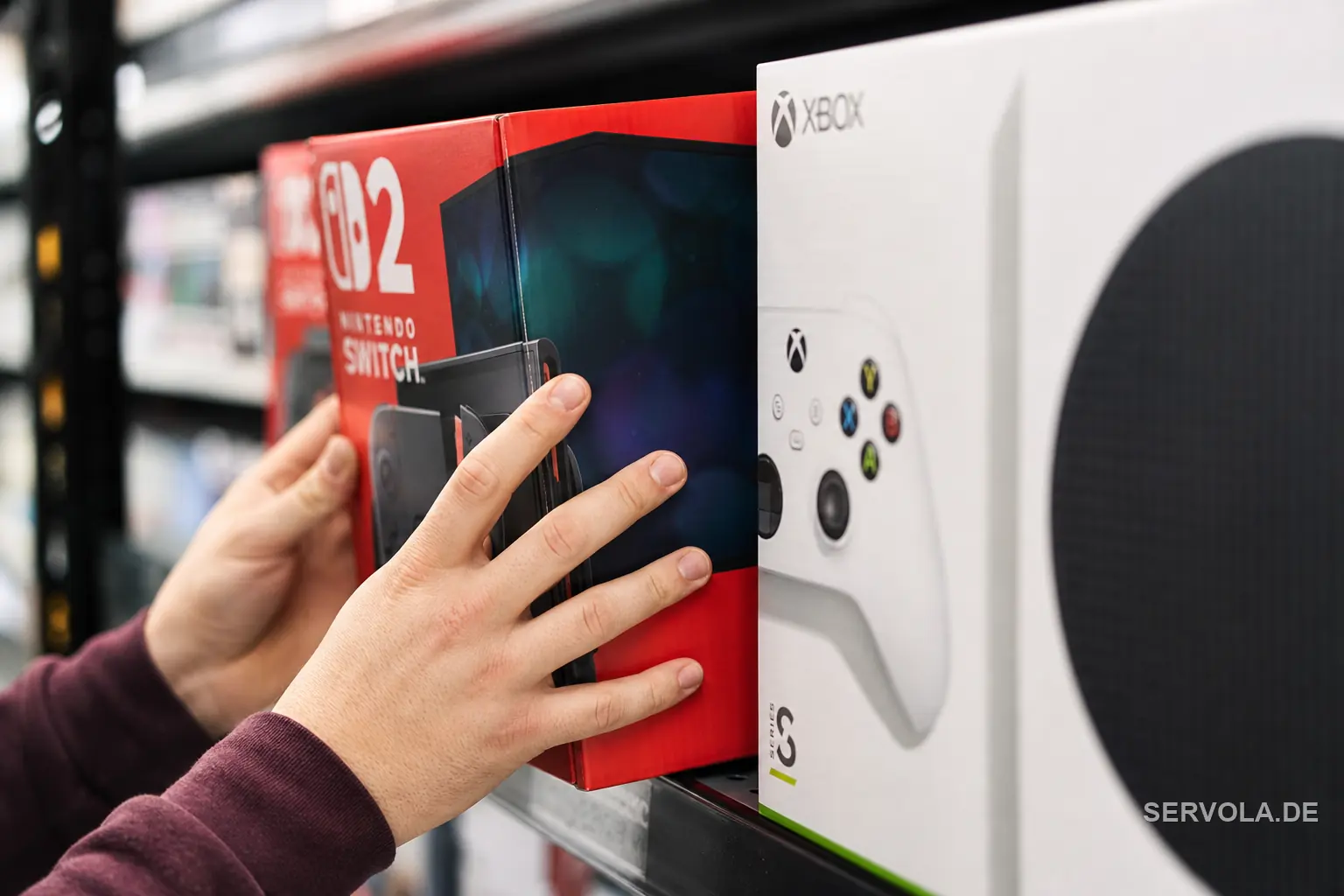
Microsoft had already raised Xbox Series S pricing well before Nintendo's announcement, and by a wider margin. The 512GB Series S moved from EUR 349.99 to EUR 499.99 and the 1TB model from EUR 399.99 to EUR 599.99 in the eurozone; in the UK, the same tiers rose from GBP 299.99 to GBP 429.99 and from GBP 349.99 to GBP 519.99. In the US, the 512GB Series S went from $399.99 to $499.99 and the 1TB model from $449.99 to $599.99. Because those increases landed before September 1, Xbox Series S was, for a period this year, already more expensive than the Switch 2 in both the eurozone and the UK - a genuine reversal of the usual assumption that Nintendo's hardware sits at the premium end of a value comparison.
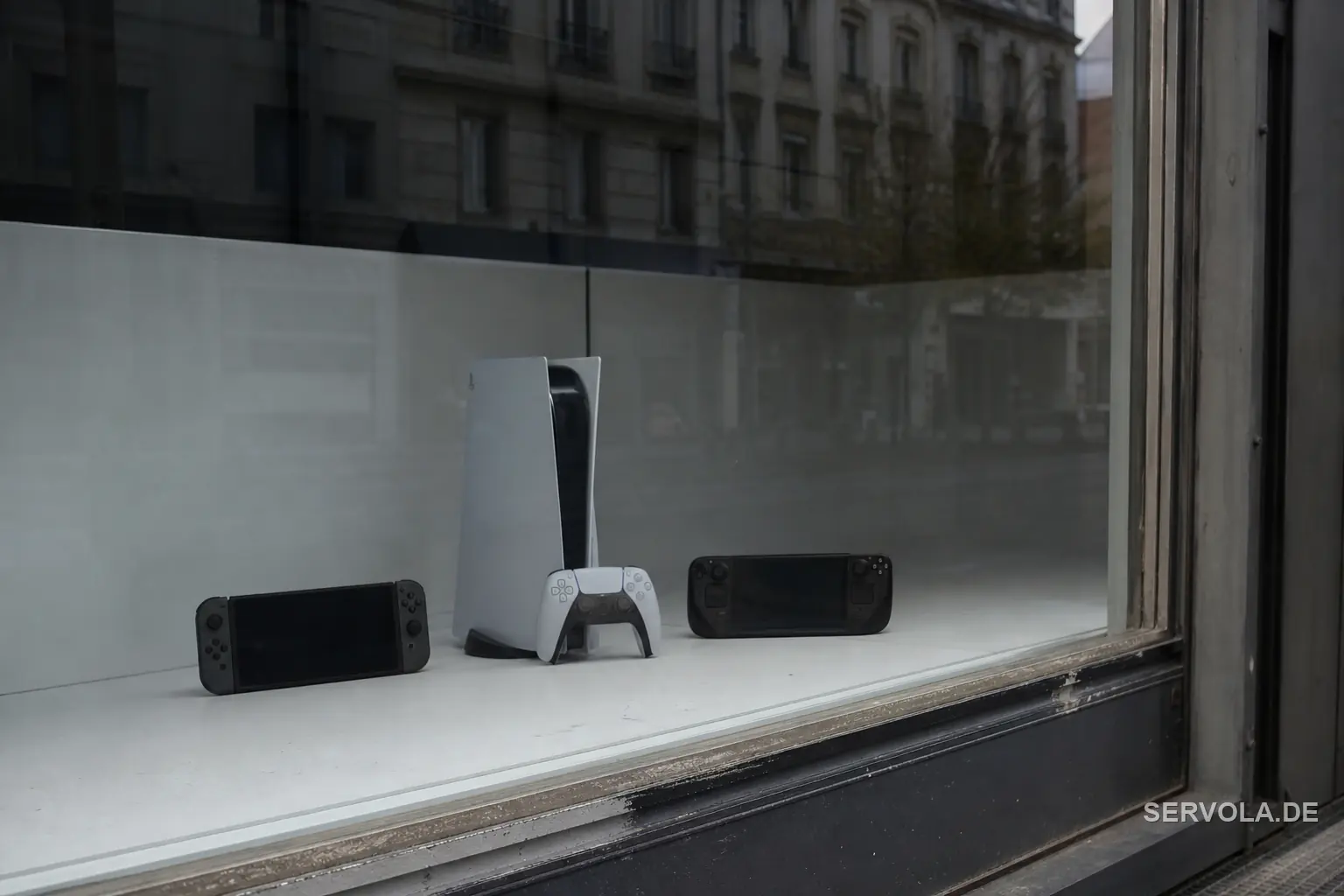
Sony moved earlier still. The PS5's US price rose to $649.99 on April 2, 2026, months before either of the other two companies adjusted their own lines. Taken together, the sequence runs Sony first, then Microsoft, then Nintendo last - and once the Switch 2's September 1 increase lands, its eurozone price sits at exactly EUR 499.99, identical to the entry-tier Xbox Series S. The two machines that used to sit at opposite ends of a budget-versus-premium comparison now share a price tag down to the cent.
What the Synchronized Hikes Actually Signal
No single press release makes this pattern obvious, because each company announced its own increase separately and each outlet covered it in isolation. But three unrelated console makers raising prices inside the same calendar year, all citing component costs rather than demand or margin targets, points to a shared supply-side driver rather than three independent corporate decisions. The likeliest common cause is the same one Nintendo named directly: memory chip demand from AI infrastructure has been pulling DRAM and NAND flash away from consumer electronics and pushing up the price of the memory that goes into every console, phone and laptop built this year.
Read that way, Nintendo's increase is not really a story about Nintendo tightening its margins on a console that has sold well. It is the last of three dominoes to fall in an industry-wide repricing that started with Sony in April and continued with Microsoft over the summer. The entry price of "current-generation gaming hardware" in the eurozone has moved from roughly EUR 400 to roughly EUR 500 within a single year across all three ecosystems, which is a bigger structural shift than any one company's earnings call framed it as.
What It Means for Buyers Choosing Right Now
For a European shopper deciding between consoles this month, the practical calculus has changed. The Switch 2 keeps its claim to being the cheapest way into current-generation gaming, but only barely: from September 1 it is tied at the entry tier with Xbox Series S rather than clearly undercutting it, and in the UK the two have already been within a few pounds of each other for weeks. That means the decision between a Switch 2 and an entry Xbox Series S no longer turns meaningfully on sticker price. It turns on whether a buyer wants a hybrid handheld-and-television device or a fixed home console, and on which library and subscription ecosystem they are already invested in.
The wider lesson for anyone budgeting a hardware purchase this year is that a before-the-price-goes-up narrow window is not unique to Nintendo. All three console makers have already moved, or are about to, inside the same twelve months, so waiting for one to stay cheap while the others rise is no longer a viable strategy - the whole entry tier of the market has shifted together.
Read next: Pokemon Pokopia Hits 5 Million, Redraws the Playbook | Square Enix's Profit Doubled. Its Guidance Didn't.