One Notice, No Exit
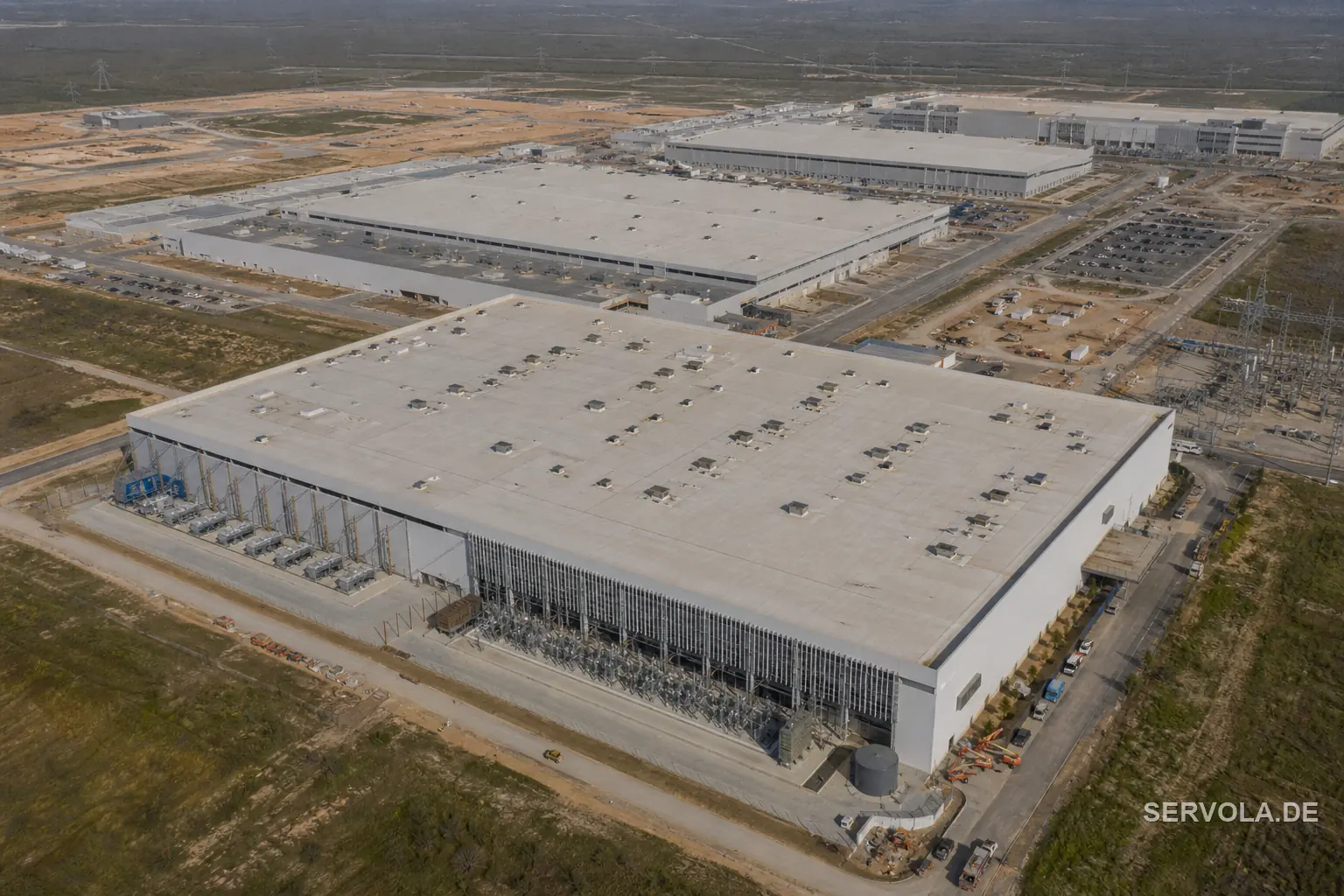
On 24 September, Oracle sent Blue Owl Capital a force majeure notice covering Project Jupiter, the 165 billion dollar Stargate data center campus rising in New Mexico. Oracle is not trying to leave. The company is the project's anchor tenant, and the notice exists to buy it room to delay payments if the site misses its 2028 target, not to walk away from it.
Oracle called the move "a precautionary measure" and said Project Jupiter "remains on our planned schedule," adding that it is "fully committed to New Mexico and confident in our path forward." Blue Owl, which owns and finances the campus, answered just as carefully: the notice "does not change the financial commitments to this multi-year project." Markets read the exchange as more than routine paperwork. Oracle, Blue Owl and Bloom Energy, the fuel cell maker chosen to power the site, all lost between 4 and 6 percent of their share price the same day.
The Bottleneck Was a Pipeline, Not a Chip
Project Jupiter's design calls for 2.45 gigawatts of power, enough for roughly 1.8 million homes, and none of it was ever meant to come from the public grid. Bloom Energy's gas-fired fuel cells were picked specifically to skip New Mexico's grid interconnection queue, one of the biggest delays now facing any large US power buyer.
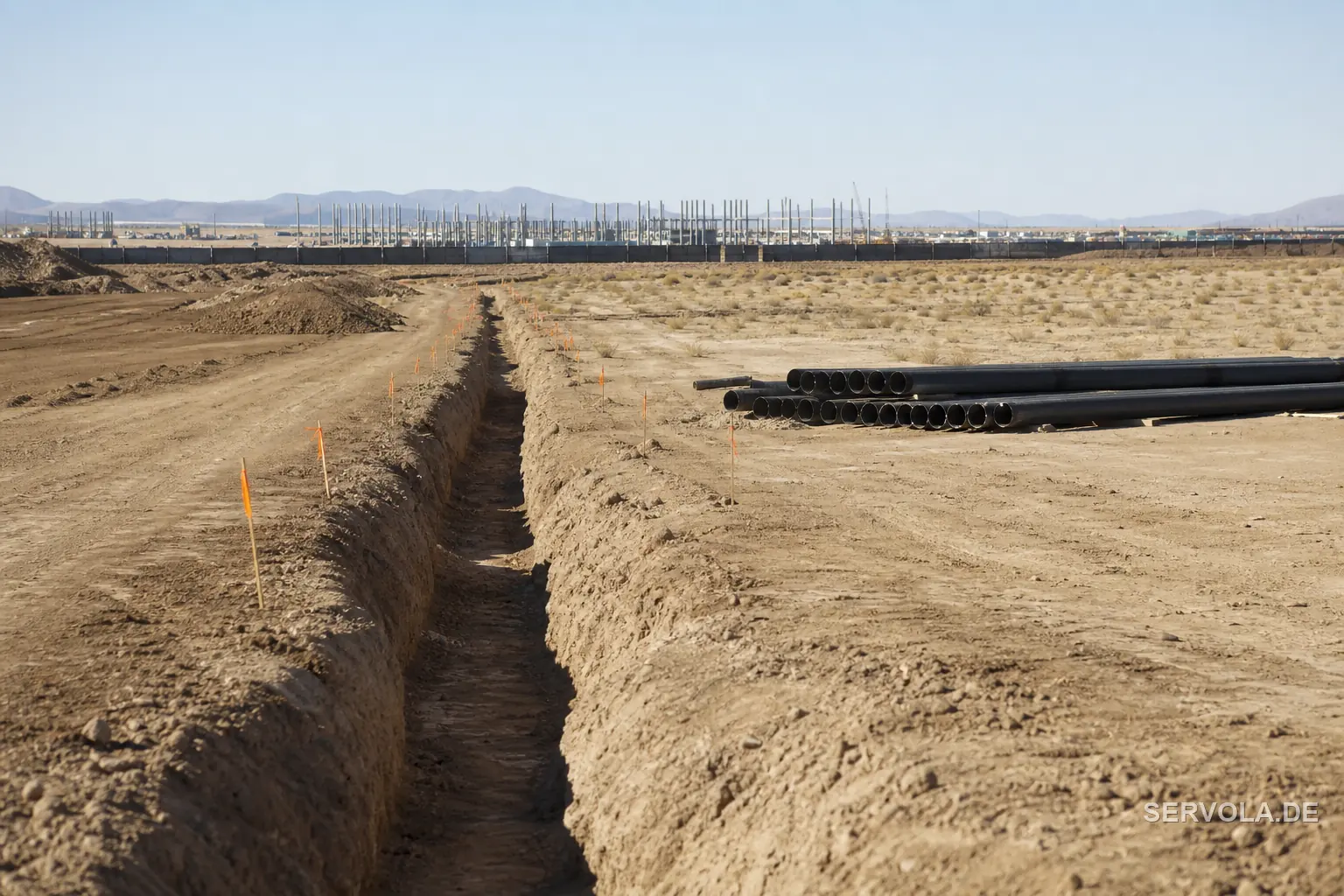
That choice only moved the delay to a different regulator. The gas has to reach the site through the Green Chile Project, a 17-mile pipeline that Energy Transfer originally targeted for August 2026. The New Mexico State Land Office has repeatedly denied the right-of-way permits the pipeline needs to cross state trust land, and the timeline has slipped to 1 February 2027, nearly six months late. The state's Commissioner of Public Lands and environmental groups behind the denials have pointed to climate risk and strain on local resources as the reason.
Going Off-Grid Did Not Mean Off-Risk
Going off-grid was meant to remove Project Jupiter's biggest point of failure. Instead, it swapped one regulator for two.
Even once the pipeline is built, the fuel cells still need a separate air quality permit from the New Mexico Environment Department, which faces its own deadline of 23 November to decide. Two permitting authorities, two separate approval paths, and either one can still hold up a facility that chips and capital are otherwise ready to fill.
Project Jupiter, By the Numbers
The gap between what Project Jupiter needs and what it currently has is easiest to see side by side.
| Figure | Detail |
|---|---|
| Total project cost | 165 billion US dollars |
| Planned power capacity | 2.45 gigawatts, about 1.8 million homes |
| Original gas pipeline target | August 2026 |
| Revised gas pipeline target | 1 February 2027 |
| Air quality permit deadline | 23 November 2026 |
| Contractual completion target | 2028 |
| Share price move, 24 September | Oracle and Blue Owl down 4%, Bloom Energy down 6% |
Check What Clause Protects Your Own Contract
Force majeure notices like Oracle's are not a special tool built for 165 billion dollar campuses. They are a standard clause in most large capacity and supply contracts, including the ones a growing number of companies now sign with cloud providers for reserved AI compute in facilities that are still under construction.
The clause that just bought Oracle time against its own landlord is the same kind of clause that could just as easily buy a cloud vendor time against a customer waiting on promised capacity. Any enterprise whose AI roadmap depends on a data center that has not opened yet should already know whether its own agreement has the same escape hatch, and what happens to its own timeline if the vendor uses it.
Read next: The Largest AI Campus Builds Its Own Power Plant | Drone Strikes Found the Ceiling on Cloud Backups