The machines that got more expensive in 2026
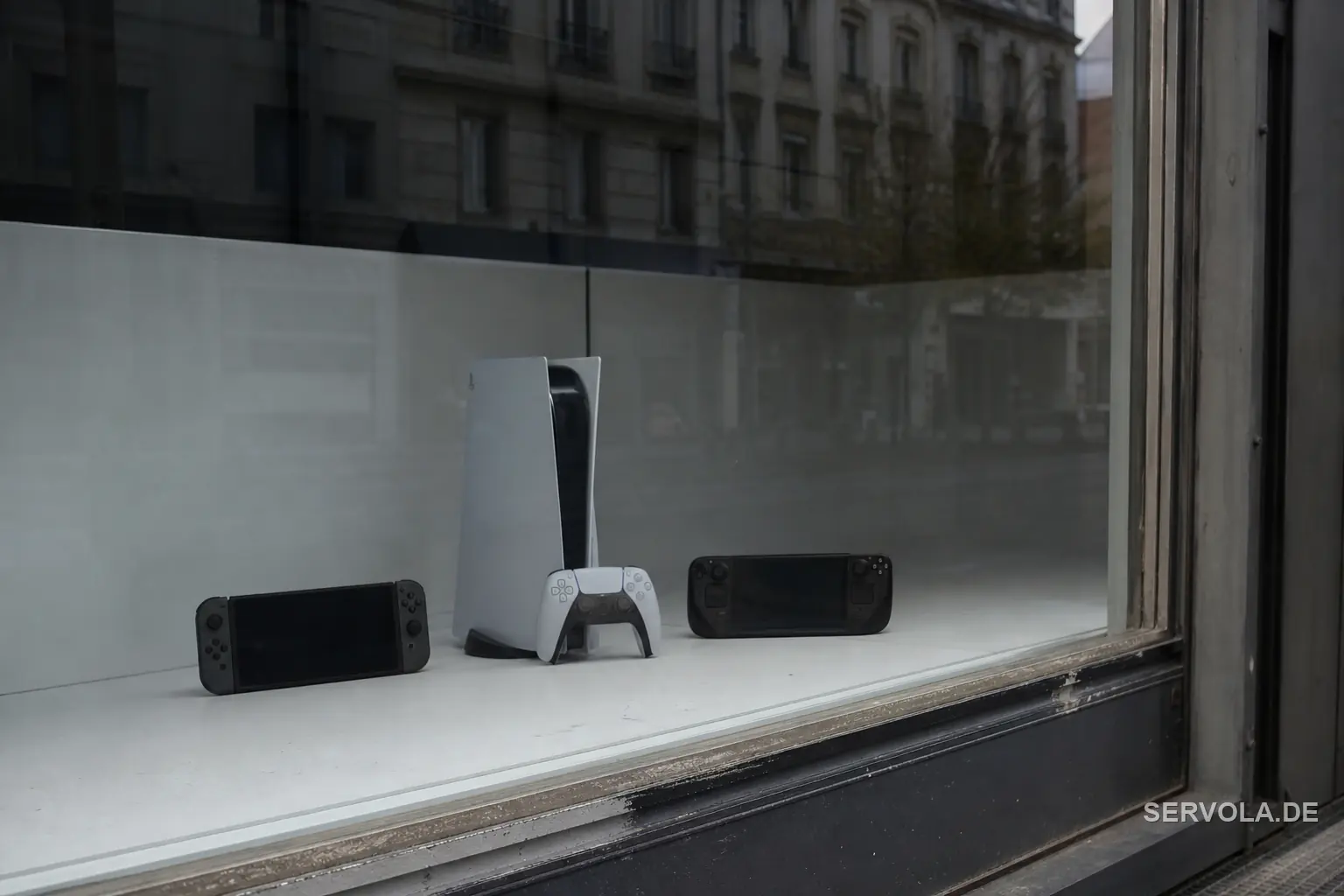
Nintendo will raise the Switch 2 to 499.99 euros across Europe from 1 September 2026, up from 469.99 euros, a change the company set out in its fiscal earnings on 8 May and blamed on memory chip prices inflated by the AI boom, US tariffs, and unfavourable exchange rates. The same list price becomes 499.99 dollars in the United States and 59,980 yen in Japan. This is not a launch adjustment on a new product; it is a mid-life increase on a machine that has been on shelves for over a year.
Sony has gone further. Its March update, effective 2 April 2026, was the second PS5 price rise in under a year, lifting the standard console and the Digital Edition by 100 euros each in Europe and putting the PS5 Pro at 899.99 euros. Valve joined in during May, when the Steam Deck OLED returned from months of shortage at 779 euros for the 512 gigabyte model, up 210 euros, and 919 euros for the one terabyte model, up 240 euros, with no change to the hardware inside. Three different makers, one direction of travel.
The cheap console was always a bet on cheap memory
For four decades the console has been a razor sold to sell blades. Hardware went out at or below cost, the profit came from games, accessories, and subscriptions, and the machine reliably got cheaper as it aged. That model only works if the parts inside keep falling in price on schedule, which they always did. The mid-life price cut was not generosity; it was the plan.
Memory broke the plan. AI data centres now consume roughly 40 percent of the world's DRAM output, and the research firm TrendForce put conventional DRAM contract prices up 55 to 60 percent in the first quarter of 2026 and another 58 to 63 percent in the second. Suppliers are steering their fabs toward the high bandwidth memory that AI servers pay most for, leaving Sony, Nintendo, and Valve to bid for what is left. When a console maker and a hyperscaler want the same silicon, the console maker loses, and the price of the box moves up instead of down.
Waiting for a price cut is the wrong plan this time
The habit of every experienced buyer is to wait, because consoles always drift down. This generation will not reward that patience while memory stays scarce. If you want a Switch 2 at 469.99 euros, the practical deadline is 31 August, because the higher list price takes effect the next day; after that the discipline is to shop bundles and retailer promotions rather than expect the base price to retreat to old lows.
The next generation is being designed into the same ceiling. The reported bill of materials for the PS6 is around 960 dollars, which makes the old trick of selling the hardware at a loss and recovering it later far harder to justify. If Sony and its rivals price the next machines close to what they cost to build, the cheap-hardware, expensive-games bargain that defined gaming for forty years is ending. Owners who have been tracking the AI memory supercycle through data centres and phones should note that it has now reached the living room.
Read next: Your VR Headset Costs More Because of AI Chips | Your Next Laptop Costs More Now