A Rome Firm Just Crossed Unicorn Status On Robot Security
Exein, a Rome-based company that builds security software for the firmware running inside robots, industrial sensors and other connected devices, raised 234 million euros (270 million dollars) in a round that values the company at 1.4 billion euros. The round was led by the venture firm Headline, with Sofina, Goldman Sachs and existing investors Balderton, HV Capital and Lakestar also taking part.
The company says it now tracks more than 5,000 new attacks against connected devices every week, a figure it uses to explain why demand for what it calls physical AI security has grown fast enough to justify a valuation increase of this size in a single round.
Two State Development Banks Just Did Something They Have Not Done Before
EIB Group and KfW Capital, the investment arms of the EU and the German state, joined this round alongside the private investors, and neither bank is in the business of ordinary venture funding. EIB Group invested through the European Tech Champions Initiative, a program built to keep promising European deep tech companies funded by European money instead of forcing them to raise from Silicon Valley or Gulf state funds once the checks get large. KfW Capital invests on a similar mandate for Germany specifically.
Until this round, the deep tech companies those two mandates funded were mostly chip and compute plays: the Dutch AI chip startup Euclyd closed its own 200 million euro round the day before this one, backed by the EU's own Scaleup Europe Fund. Exein is a different kind of bet. It does not make chips or run data centres. It secures the software that already runs inside physical machines, and state capital treating that as strategic infrastructure is new.
| Company | Sector | Round size | State-linked backer |
|---|---|---|---|
| Exein (Rome) | Physical AI security | EUR 234M | EIB Group, KfW Capital |
| Euclyd (Eindhoven) | AI chip infrastructure | EUR 200M+ | EU Scaleup Europe Fund |
What Exein Actually Secures
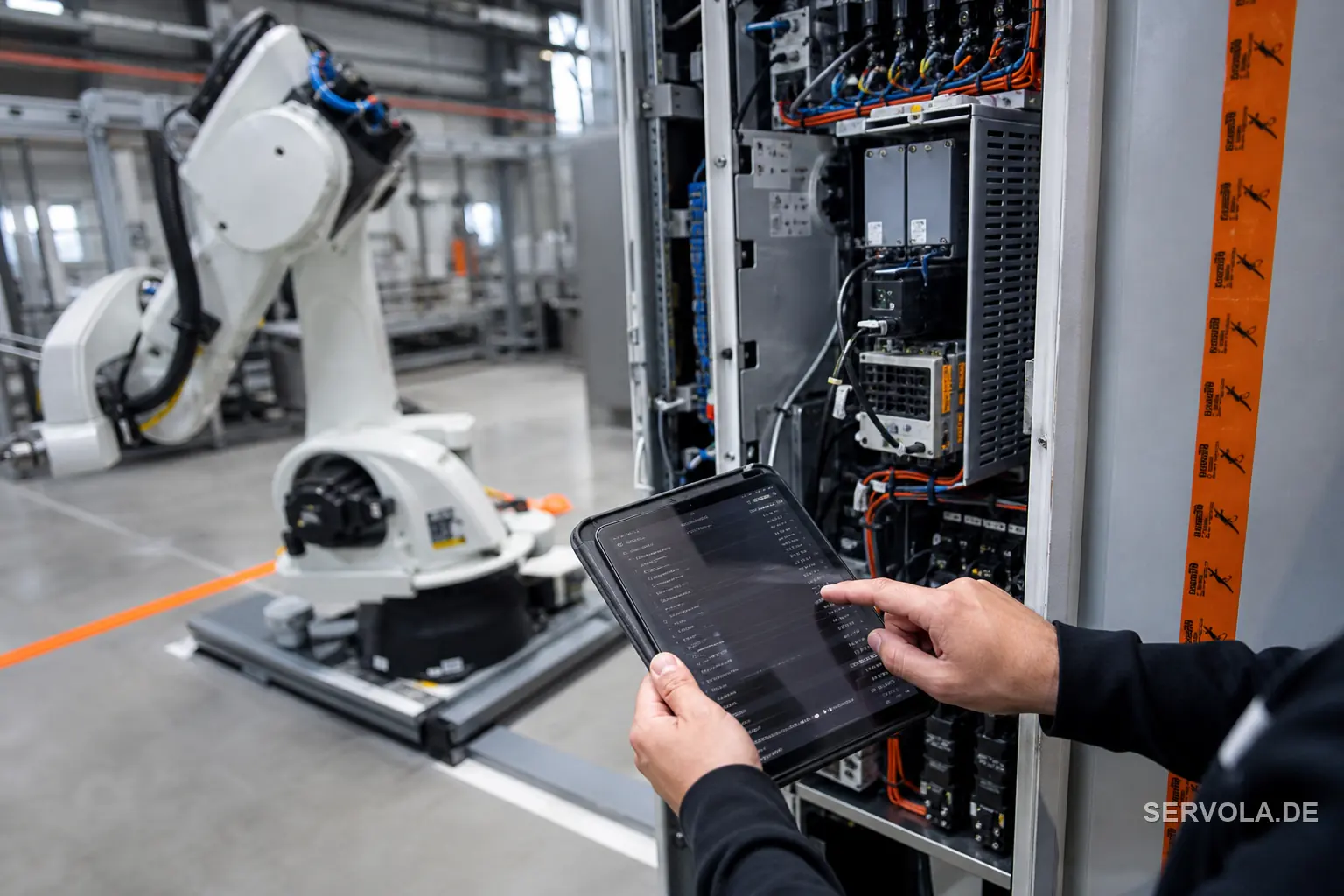
Exein's software runs inside the device itself rather than watching it from a network perimeter, according to the company, which lets it flag vulnerabilities and abnormal behaviour in robots, industrial sensors and other embedded hardware that a conventional cybersecurity tool never gets close to. That is the category the company calls physical AI security: not securing the model that controls a machine, but the firmware and runtime of the machine itself.
This is also the layer that EU law already treats as the manufacturer's problem. The Cyber Resilience Act puts a legal disclosure clock on any connected product sold into the EU market, and NIS2 extends liability up the supply chain to whoever integrates that hardware into their own operations. A company buying industrial robots or IoT sensors for a factory floor is not just buying hardware anymore, it is buying a compliance obligation that lives inside that hardware for as long as it runs.
The Budget Line This Round Points To
A business owner evaluating robots, industrial sensors or other connected hardware should read this round as a signal, not just a funding story. When EU and German state banks put money behind a company that certifies the embedded security of physical machines, procurement teams should expect that certification to become a standard line item on vendor questionnaires, the way software bill-of-materials requirements did after the first wave of supply chain attacks.
It also changes who a European buyer can point to when a robotics or IoT vendor cannot answer a basic security question. Exein's own reference customers were not disclosed in this announcement, but a 1.4 billion euro valuation backed by two state development banks gives procurement teams a specific vendor to ask about instead of an abstract category.
Why We Do This
We do this for everyone trying to keep up with what technology is doing to our lives. The people who build it, and the people it happens to. The Servola Journal exists so that what we learn belongs to all of them.
Nobody pays us for this. No ads, no paywall, free to everyone. We just believe that understanding what's happening to all of us shouldn't depend on who can afford to pay for it.
If it gave you something today, tell us to keep going. Follow us, leave a like, or write a positive comment. We read every one, and they are what keeps us going.
Read next: Chrome's Next Zero-Day Files to Brussels | The EU's New Vulnerability Clock: Just 24 Hours