Six afternoons of stoppage, five demands
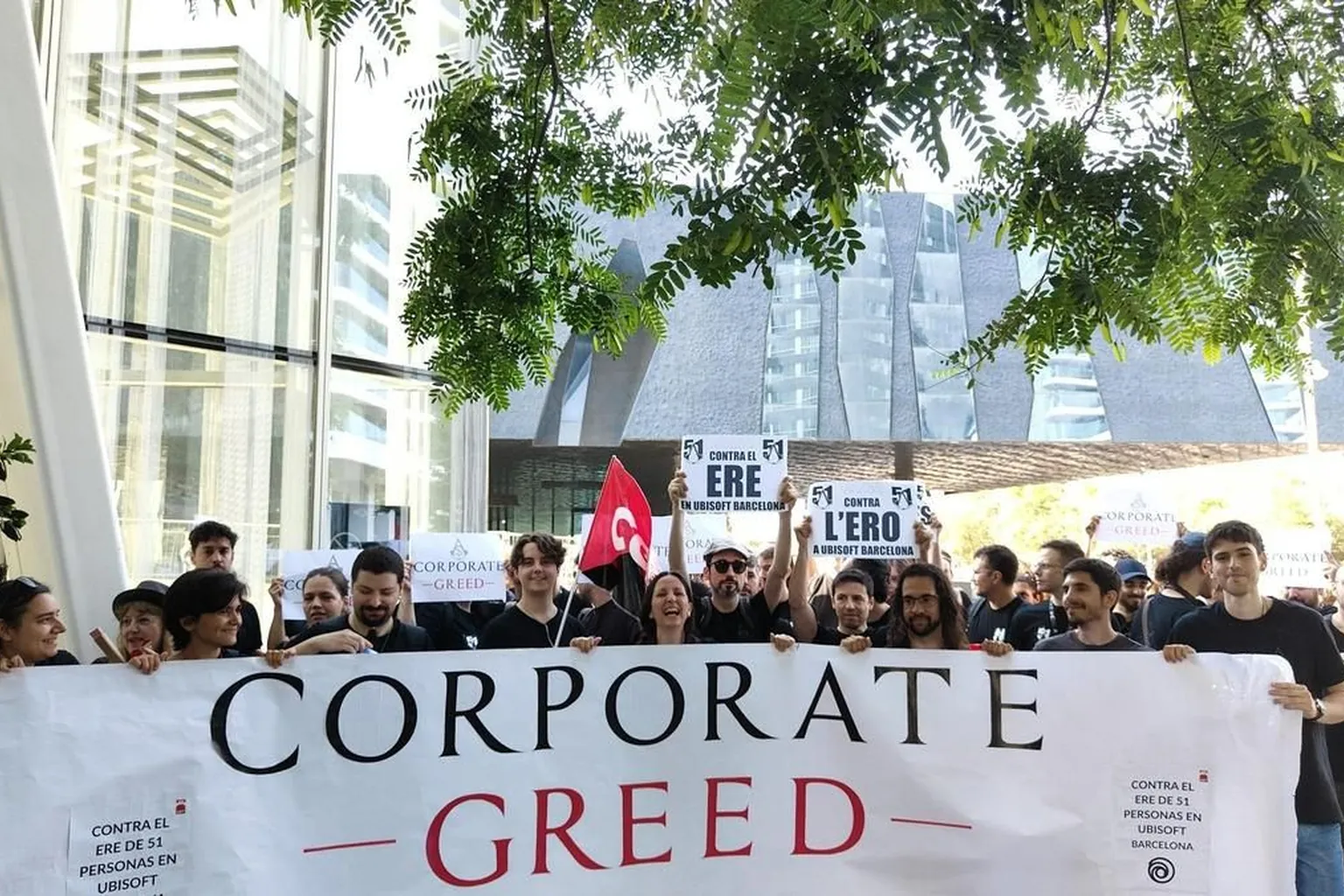
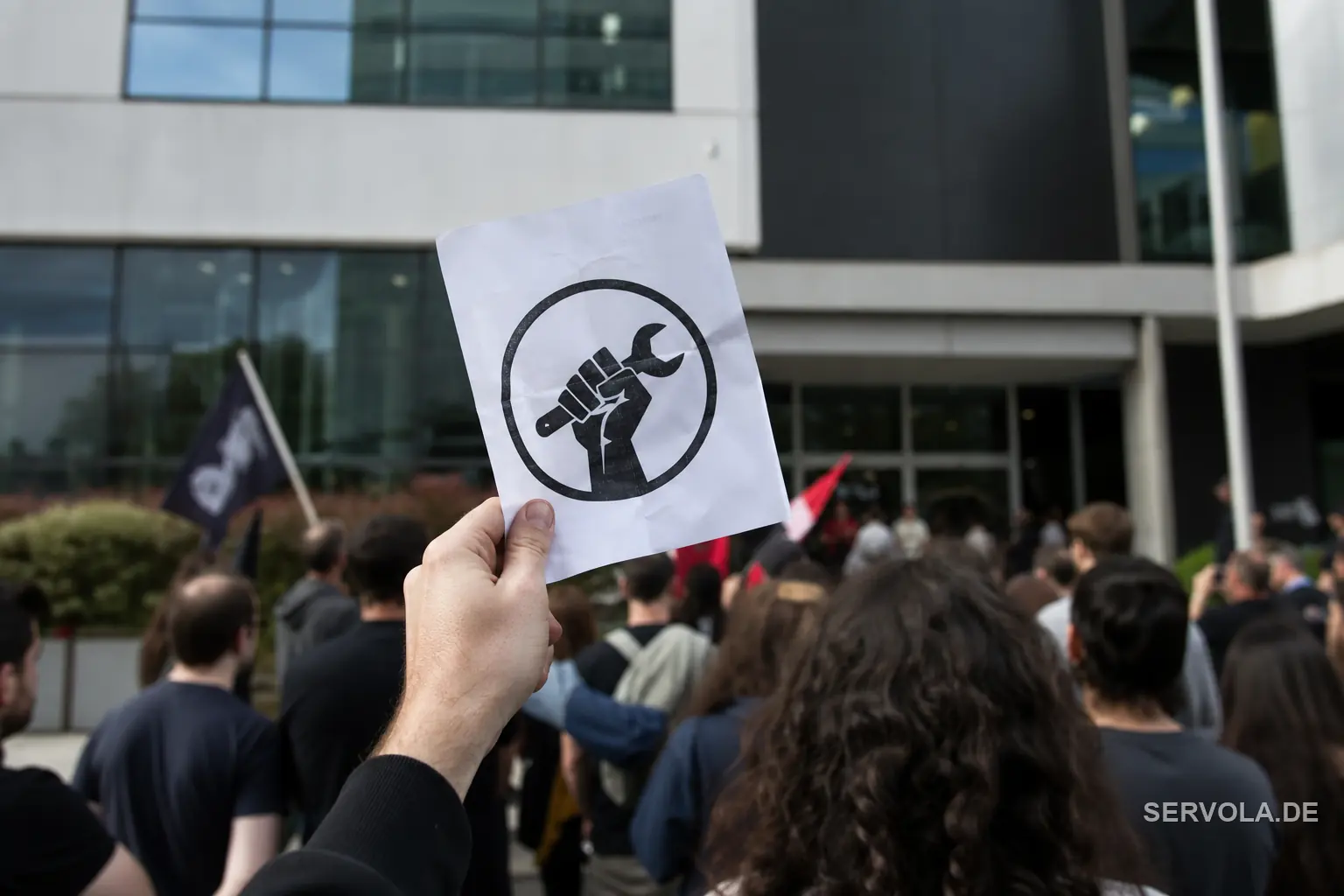
On 30 June 2026 staff at Ubisoft Barcelona began a partial strike that runs through mid July: work stops on Tuesday and Thursday afternoons, six stoppages in total, organized by the Confederacion General del Trabajo. The trigger is a June restructuring that would cut 51 jobs, roughly 28 percent of the studio, as the site narrows its focus to the Rainbow Six franchise.
The demands, as reported by Game Developer, go beyond the immediate cuts: a binding agreement to retain all 51 affected staff, a five-year safeguard against further collective dismissals, delivery of already-agreed promotions, an unblocked salary review, and restoration of remote work at 60 percent of the month after the company imposed five days on site.
A publisher cutting in every direction
Barcelona is not an isolated decision. In recent months Ubisoft has closed its Winnipeg and Belgrade studios, ended game development at Red Storm with 105 roles cut, eliminated 93 positions in San Francisco and 40 in Toronto. In May the company reported net bookings down 54 percent year over year. The publisher that once ran one of the largest studio networks in the world is consolidating around fewer franchises with fewer people.
Management frames this as focus. It is also fragility: a studio that exists to serve a single franchise has exactly one reason to exist, and every employee in it can read that sentence as clearly as any analyst.
Record revenue, shrinking payrolls
The industry context makes Barcelona more than a local dispute. Global games content revenue reached roughly 195.6 billion dollars in 2025, an all-time high, while an estimated 45,000 industry jobs have been eliminated since 2022. The Game Developers Conference's 2026 State of the Game Industry survey found that one in three US developers had been laid off in the previous two years. Output is at a record. The workforce that produces it is being treated as the primary cost lever.
Games are running this experiment first because their cost structure is almost pure talent and their production tooling, increasingly AI-assisted, is improving fastest. Every industry whose main cost is skilled labor should watch what the result looks like, because a version of it is coming their way.
Why a strike in Spain lands differently
In the US, a laid-off developer clears a desk. In Spain, a collective dismissal triggers formal consultation, and a union can lawfully organize a strike while negotiations run. That is what CGT is doing: converting labor law into bargaining leverage at a moment when the studio's remaining output depends on the people still at their desks. For European operators far from gaming, this is the practical lesson. Restructuring plans that were drafted on a spreadsheet in one jurisdiction will be negotiated under the labor law of another, and the timeline belongs to the process, not to the plan.
Read next: In Europe, a Studio Layoff Is a Negotiation | Bungie Cuts and the Live-Service Limit