Five and a Half Years, One Price Increase
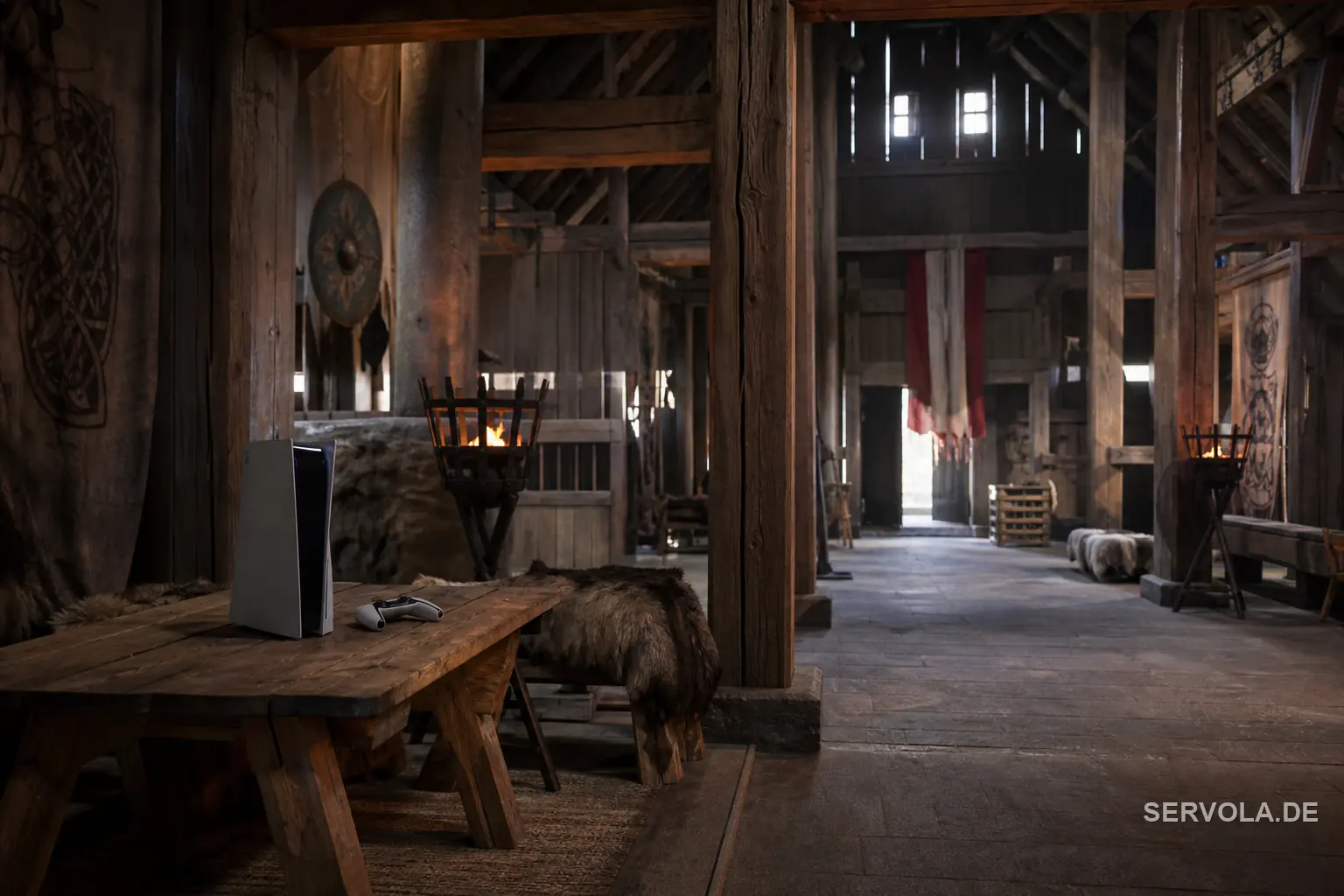
Valheim launched into Early Access on February 2, 2021, and leaves that status on September 9, 2026, five and a half years later. With the launch of version 1.0, its Steam price rises from $19.99 to $29.99, a 50 percent increase for new buyers. Developer Iron Gate announced it by saying there would be "a slight price increase in time for the 1.0 launch." Version 1.0 adds the Deep North biome, the game's eighth and final biome, plus full crossplay multiplayer across PC, Xbox, PlayStation 5, and Nintendo Switch 2, the latter two being new platforms for the game. It has sold roughly 12 million copies and holds a 94 percent Overwhelmingly Positive rating across more than 250,000 Steam reviews.
Why the Increase Only Hits New Buyers
Iron Gate's approach is straightforward: existing owners keep the game and get version 1.0 free, and updates are never repriced retroactively. That points to a pattern that reaches beyond games. It is a template for any software or games studio, including European indie studios watching Steam pricing closely, when a product needs to graduate from an Early Access price to a full release price without alienating the community that funded years of development. It is the same "reward loyalty, monetize growth" logic increasingly used in SaaS pricing, where existing subscribers keep their old rate while the list price rises for new signups. Valheim is simply the most visible recent example of that model working at scale in games.
What This Means for EU and UK Buyers and Studios
For prospective buyers in the EU and UK, the window to buy at the lower price closes the moment version 1.0 ships. At the time of writing, Steam had not published exact euro or pound pricing for the post-1.0 period, though the percentage increase applies in every market where Steam sells the game. For studios, the Deep North and crossplay bundle shows a workable way to expand platform reach at the same moment as a price increase, using that expansion to justify the higher price rather than letting it read as a bare markup.
Read next: 13 Years Later, a Steam Server Leaked Two Rivals' Games | Two Developers Outearned the Studios Cutting Jobs