Energy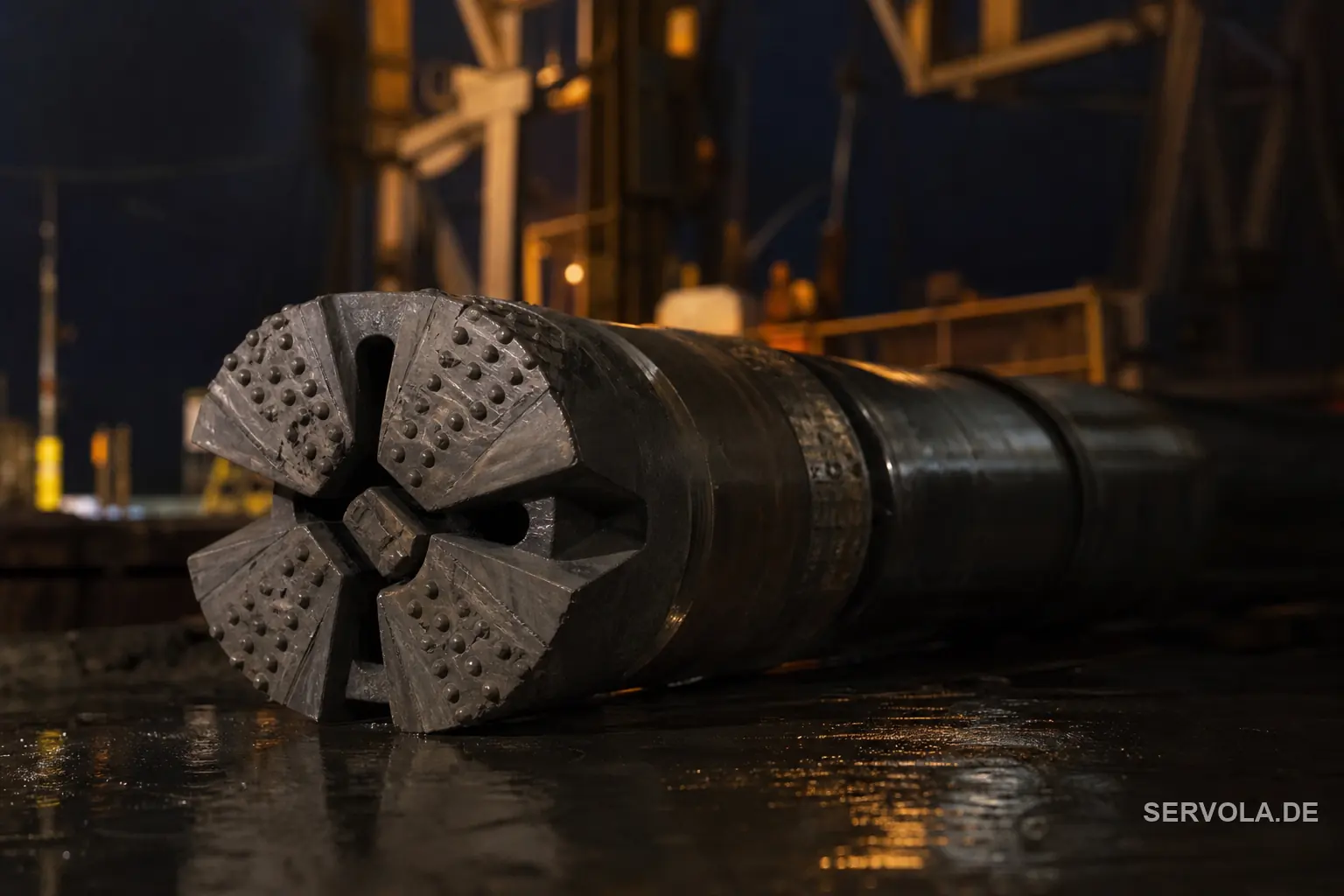
Japan's Energy Giants Just Bet on Drilling for Heat
Quaise raised a 134 million dollar first close, backed by Japan's JERA and Idemitsu, to build the first commercial superhot geothermal plant. Here is what it means for operators.
Quaise raised a 134 million dollar first close, backed by Japan's JERA and Idemitsu, to build the first commercial superhot geothermal plant. Here is what it means for operators.
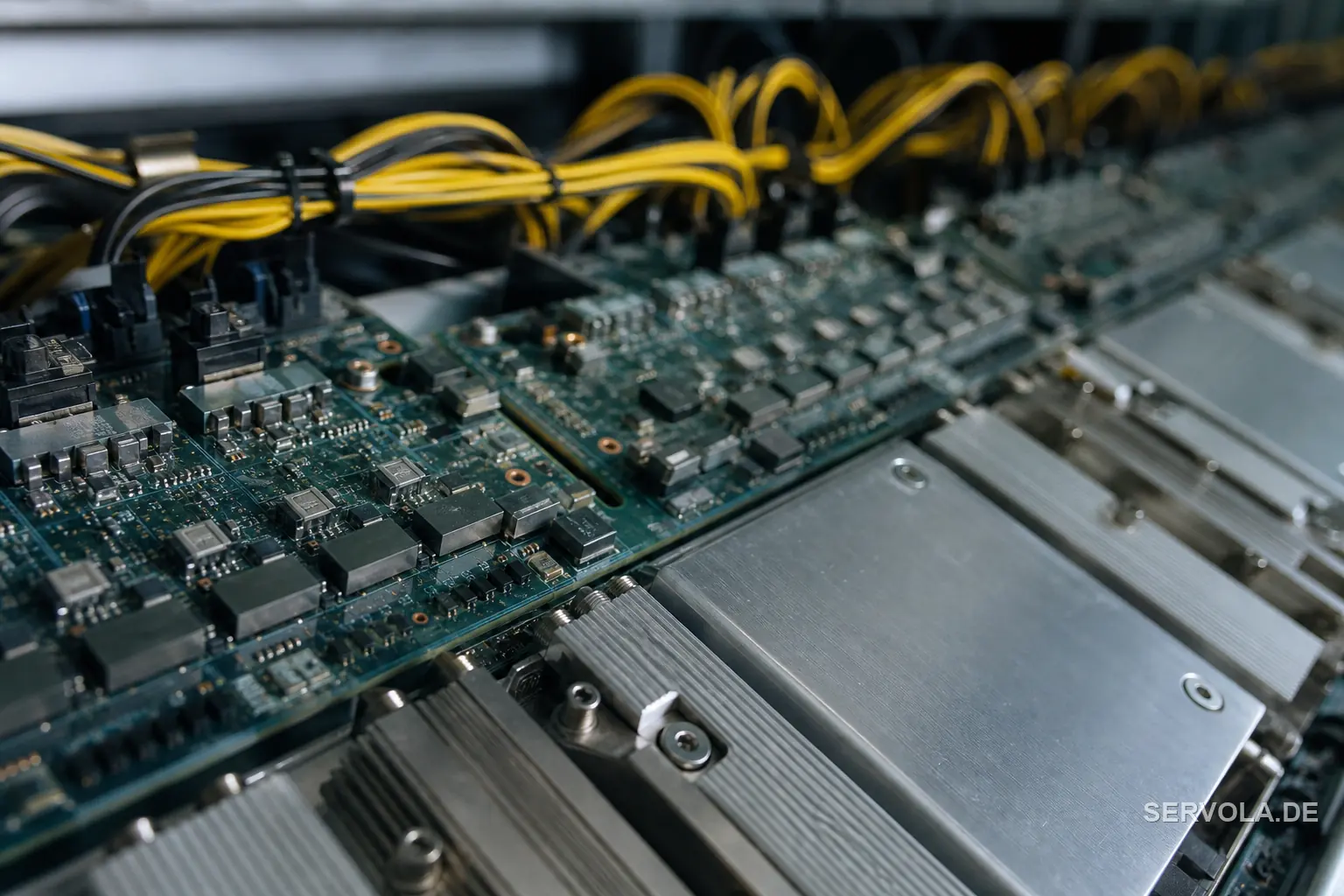
TeraWulf, a former bitcoin miner, has signed a 20-year, $19 billion lease to supply Anthropic with about 401 megawatts of AI capacity in Kentucky. The scarce asset in the AI build-out is powered land, and the capacity operators will rent in 2028 is being locked up now.
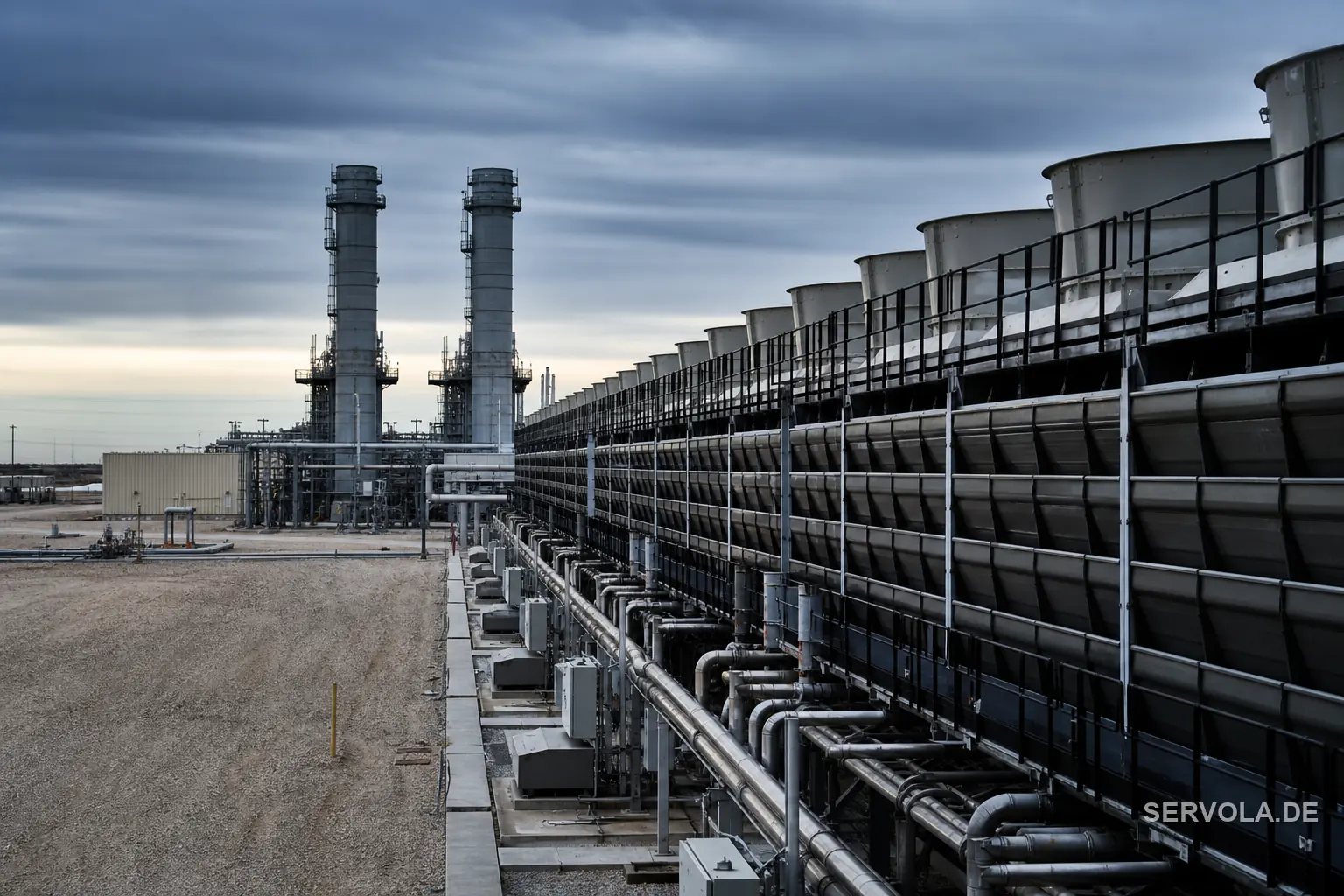
National Grid is paying 1.75 billion dollars for a 35 percent stake in Joulent to build Project Kilby, a 2.67 gigawatt gas plant in West Texas dedicated to one Microsoft data center. The plant sits behind the meter because the public grid is too slow, and it says a lot about how the next five years of AI power get built.
On 1 July 2026 Finland moved data centres from its lowest electricity tax band to the standard one, from 0.05 to 2.24 cents per kilowatt-hour. Google has already paused a billion-euro Kajaani build, and the Nordic siting map for AI compute has quietly redrawn around a single tax line.
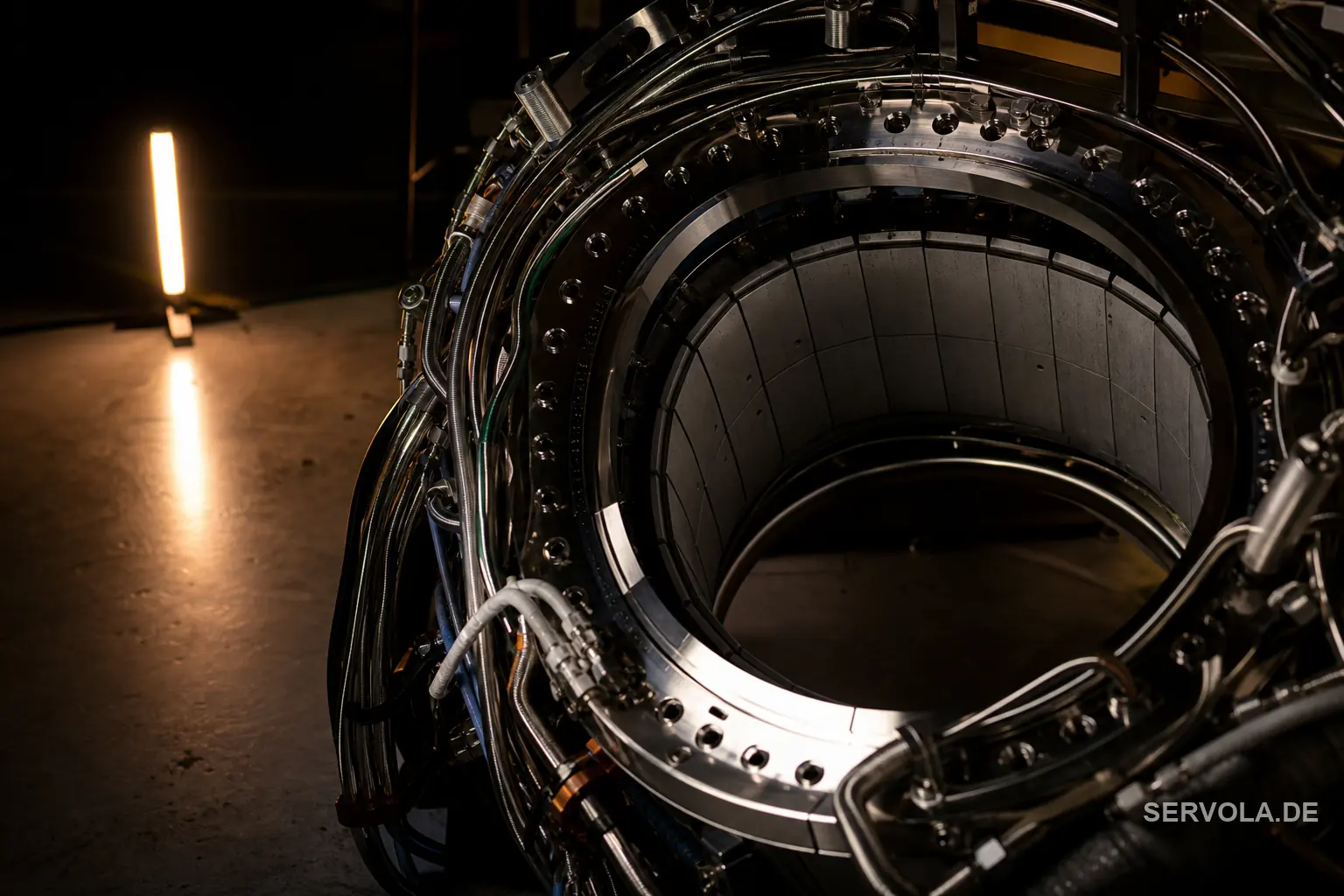
Munich fusion startup Proxima Fusion raised 411 million euros at a 2.4 billion valuation, with Google and the utility RWE as strategic backers. When a data-centre power buyer and a grid operator co-fund a plant a decade out, they are pre-buying firm power before it exists, and a retired Bavarian reactor site is where it will be built.
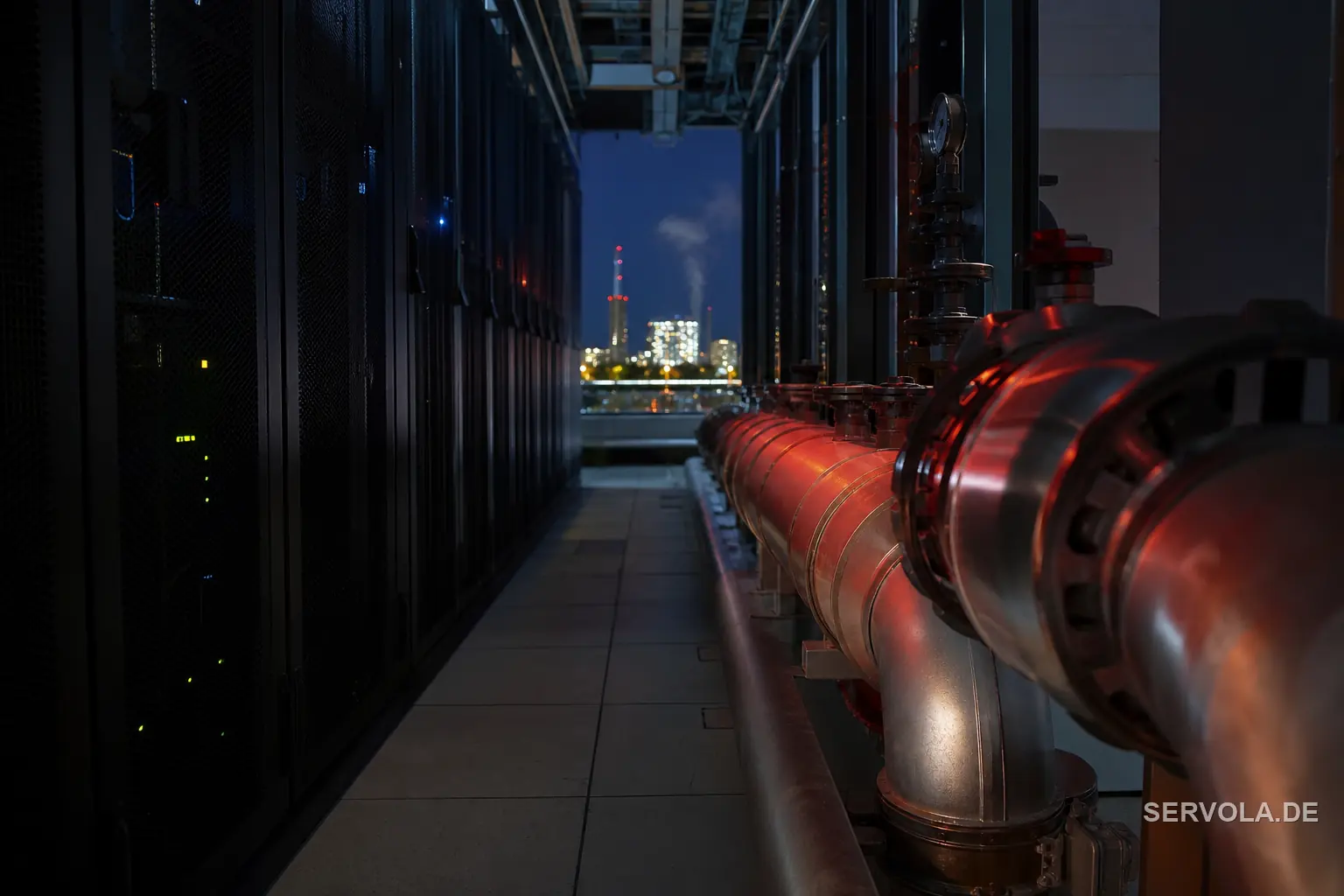
Since 1 July 2026 every newly commissioned German data centre must run at PUE 1.2 or better and reuse at least 10 percent of its waste heat, rising to 20 percent by 2028. A site with no nearby heat buyer is now hard to permit, whatever the land costs. Here is what changes for operators.
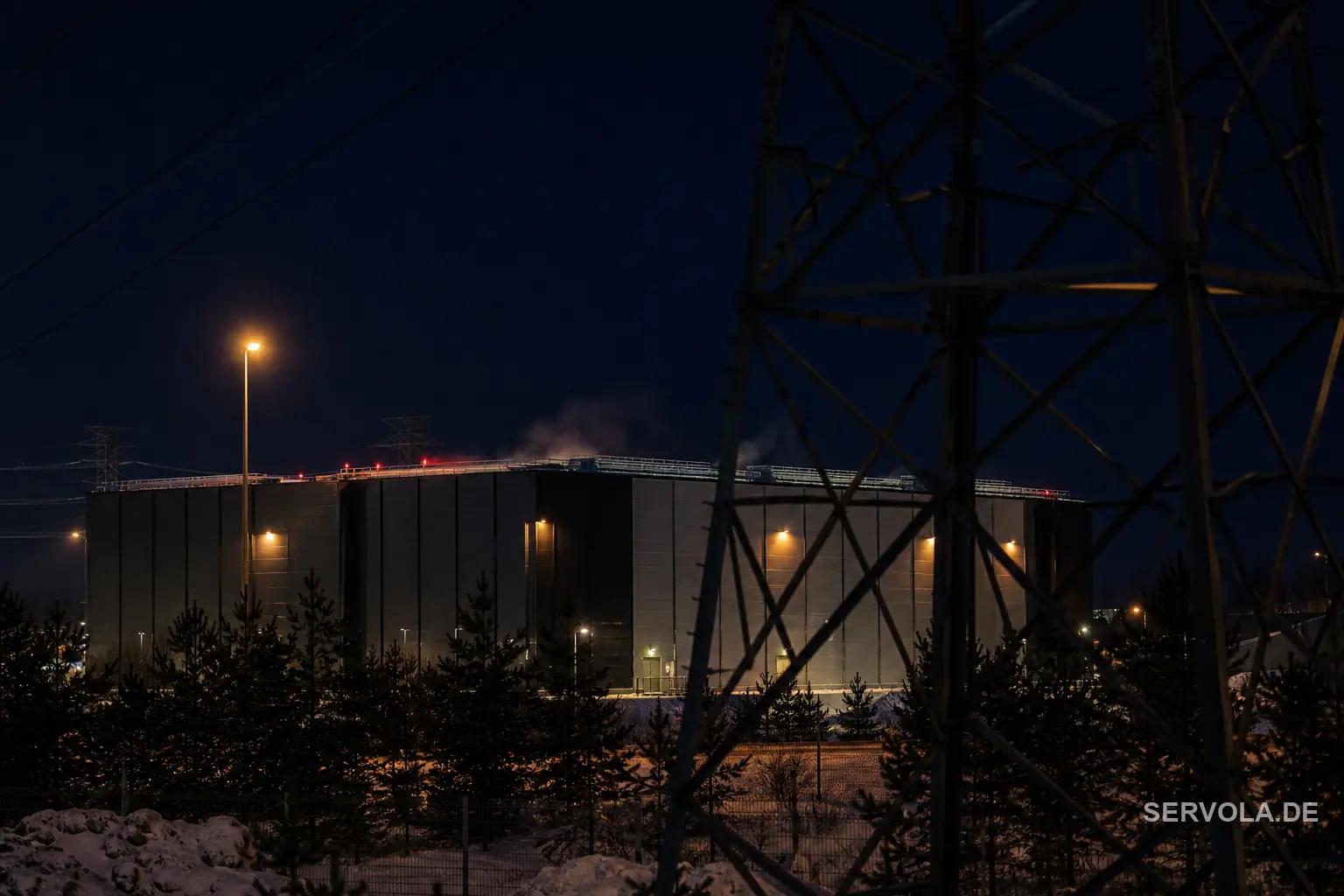
On July 1 2026 Finland moved data centres into the standard electricity-tax band, lifting their power tax from 0.05 to 2.24 cents per kilowatt-hour. Google has already paused a billion-euro build in Kajaani.
On 1 July 2026 Finland raised its data-center electricity tax roughly 44-fold and Germany began mandating waste-heat reuse. Siting is now a policy decision. What operators should model before signing land.

Tesla and NatPower committed to more than 25 GWh of grid battery storage across Italy and the UK on June 23, with an ambition beyond 100 GWh. Why the deal signals firm power is becoming a merchant product for industrial and compute buyers.

On June 18, 2026 FERC ordered all six US grid operators to justify or rewrite the rules for connecting data centers and large loads within 60 days. What it means for anyone planning power-hungry capacity.
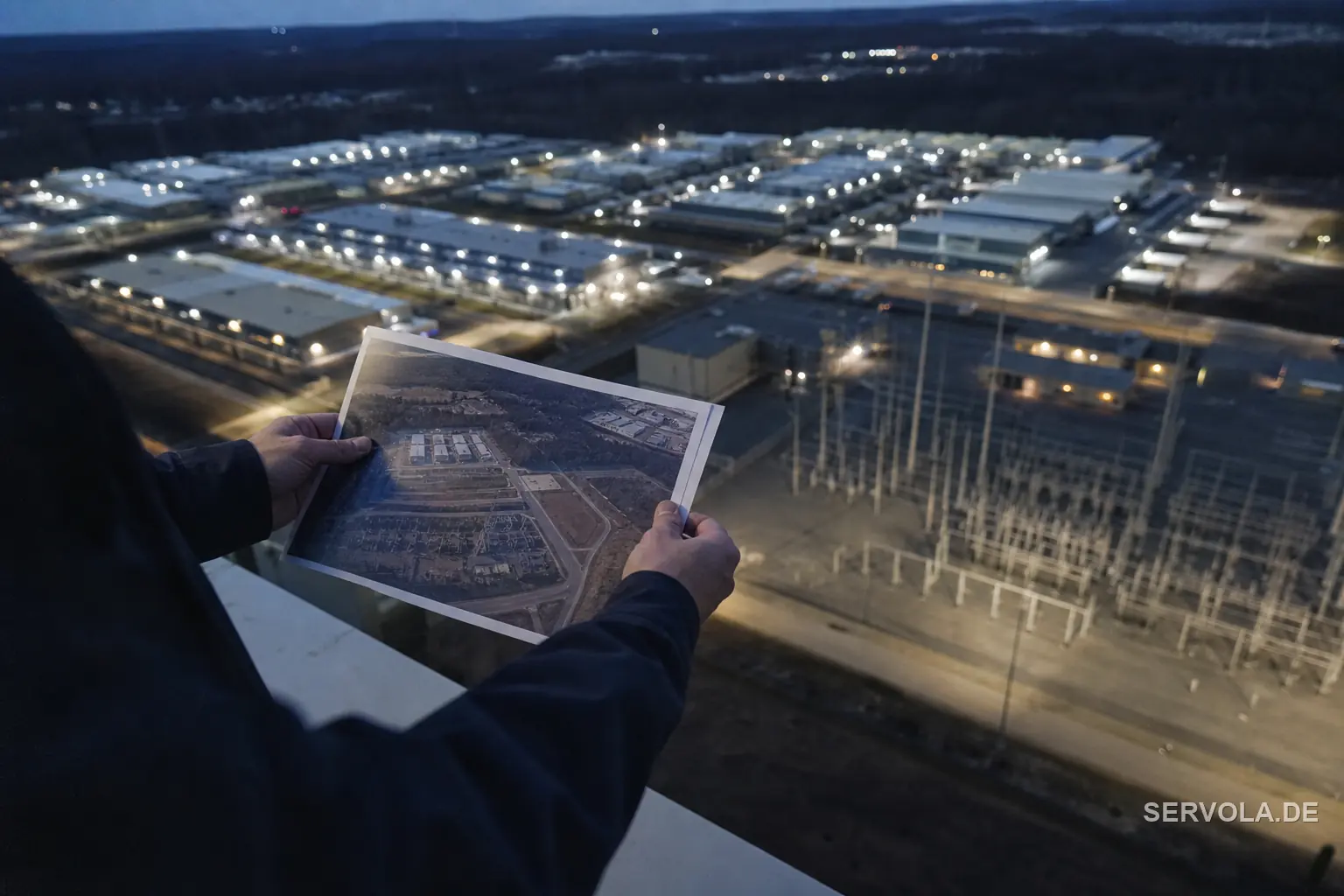
On June 30, 2026 PJM stakeholders backed a plan to procure new capacity for data centers and rejected the option to curtail them during shortages. Who pays, and what it signals for anyone connecting big loads.

On 26 June 2026 EU energy ministers agreed the Grids Package position, capping grid permits and setting 1-3 month connection deadlines. What it means for load timing.
Page 10 / 11
One considered note on infrastructure, governance, and measurement, most mornings. No theory.