What Proxima raised, and from whom
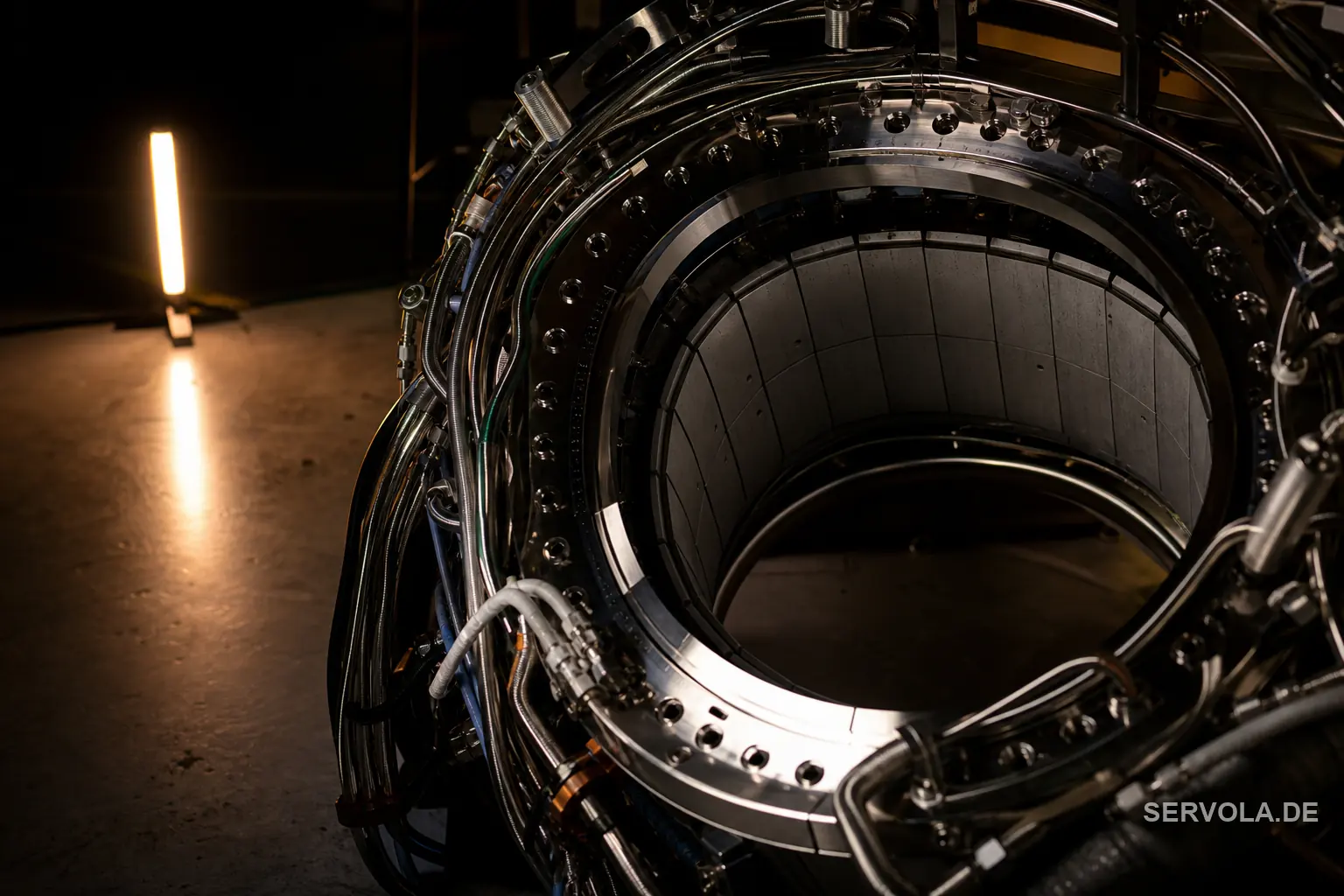
Proxima Fusion, a Munich company spun out of the Max Planck Institute for Plasma Physics, has raised 411 million euros, about 468 million dollars, at a valuation of 2.4 billion euros. The round was led by the investment firms XTX Ventures and East X Ventures, with the search and cloud group Google and the German energy utility RWE joining as strategic investors. For Google it is a first fusion investment in Europe, and the company said the money will expand its production of high-temperature superconducting cable and magnets and build out the engineering needed for its stellarator design.
The number matters less than the identity of the two strategic names on the cap table. XTX and East X are there for the return; Google and RWE are there for the electricity. A cloud operator whose growth is now gated by power availability and a utility that has to keep a national grid supplied are not passive financial investors in a science project. They are the eventual customer and the eventual host, buying a seat at the table of a technology that, if it works, produces exactly the firm, weather-independent, carbon-free power both of them are short of.
Why a utility and a hyperscaler are the tell
Proxima is not promising power soon. Its plan runs through a net-energy demonstrator targeted for the early 2030s and a first commercial stellarator plant, called Stellaris, later that decade. That timeline is the point, not a caveat. When a hyperscaler and a utility commit capital to generation that is ten years out, they are signalling that they expect firm clean power to be scarce and expensive for the whole of that decade, and that pre-positioning now is cheaper than competing for it later. This is procurement dressed as venture capital.
The logic is the same one already visible in the small-reactor and long-duration-storage deals hyperscalers have signed: the constraint on data-centre and industrial growth has moved from chips and capital to megawatts that are available around the clock. A stake in Proxima does not solve that this year, but it gives Google an early claim on a future firm-power source and gives RWE a next-generation asset to put on ground it already controls. Owners in any power-hungry business should read the co-investment as a forecast: the two parties closest to the meter are betting the squeeze lasts.
The retired reactor site is the real asset
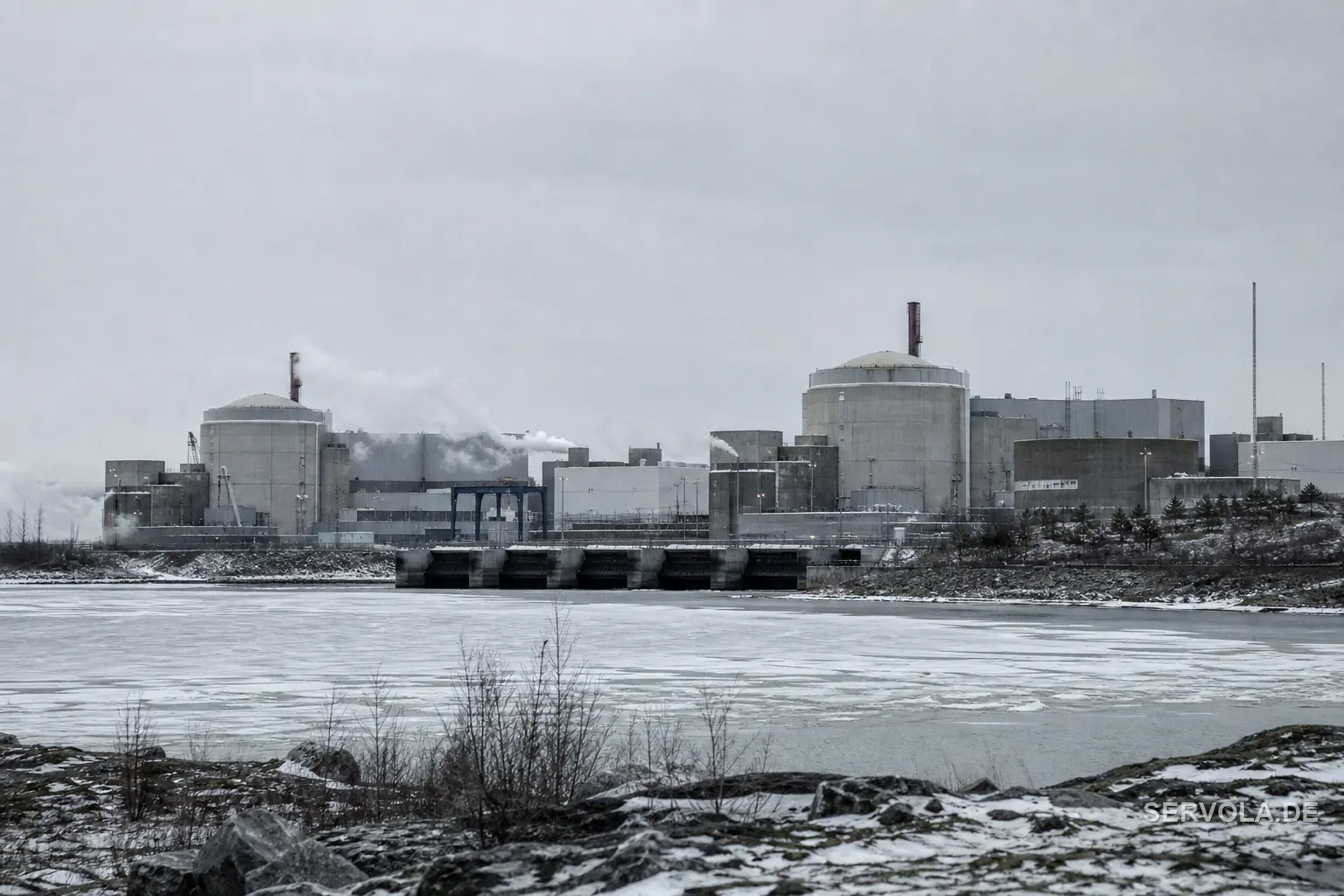
The most revealing detail is where the first plant would go. RWE became an investor months after agreeing to partner with Proxima on building its first stellarator plant at Gundremmingen in Bavaria, the site of a nuclear fission station that has been shut down. That choice is not sentimental. A decommissioned nuclear site arrives with a high-voltage grid connection already built, cooling and water infrastructure in place, land zoned for power generation, and a community and regulator already used to a plant on that ground. Those are precisely the assets that take years to assemble from scratch.
In a market where a fresh grid connection can wait seven to ten years, an existing point of interconnection is worth more than the machine attached to it. The Gundremmingen plan says the real land bank for next-generation generation, whether fusion or small modular reactors, is the map of retired and retiring nuclear and coal sites, because they already hold the scarce permits and wires. Operators planning long-horizon energy supply should be looking at that map now, since the grid connection, not the reactor, is the part that cannot be bought quickly.
Read next: America's Data Centers Just Traded Flexibility for a Faster Grid Slot | One Alliance Promises 100 Gigawatts Without Building a Single Plant