Law & Regulation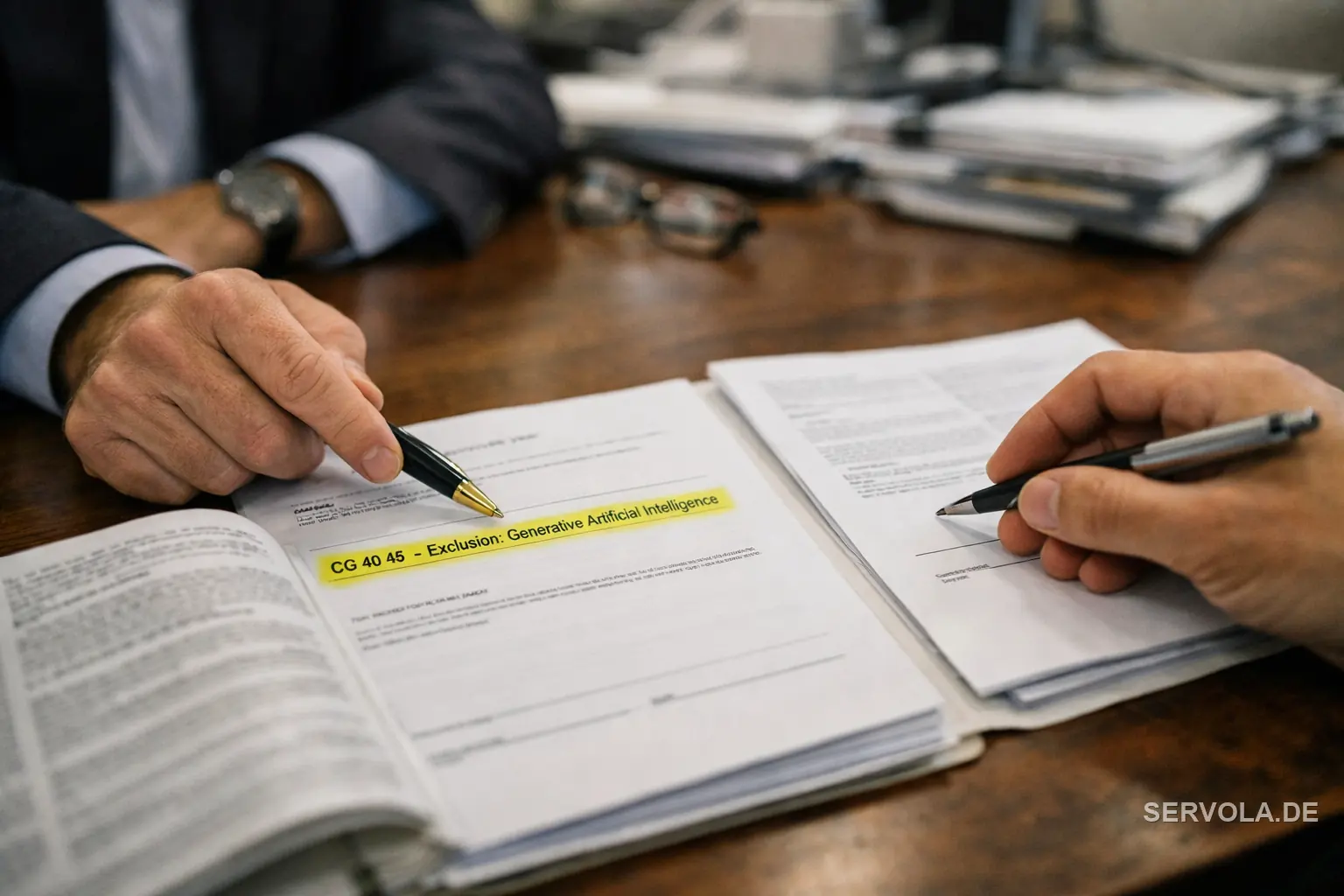
Carriers Are Writing Generative-AI Exclusions Into Your Cover
Major carriers are adding generative-AI exclusions to general liability, D&O, and E&O cover. The risk you adopted may no longer be insured. What boards should check now.
Major carriers are adding generative-AI exclusions to general liability, D&O, and E&O cover. The risk you adopted may no longer be insured. What boards should check now.

OpenAI and Visa are letting AI agents buy on a user's behalf. The moment an agent can spend money, authorization, fraud, and liability become board-level questions.

The EU chose the Domyn-led EUROPA consortium to build a sovereign, open European model above 400 billion parameters. Why a third AI option changes the dependency math.
The Munich court ruled AI-generated answers are the provider's own words, carrying publisher-level liability. What it means for any company running AI in Europe.
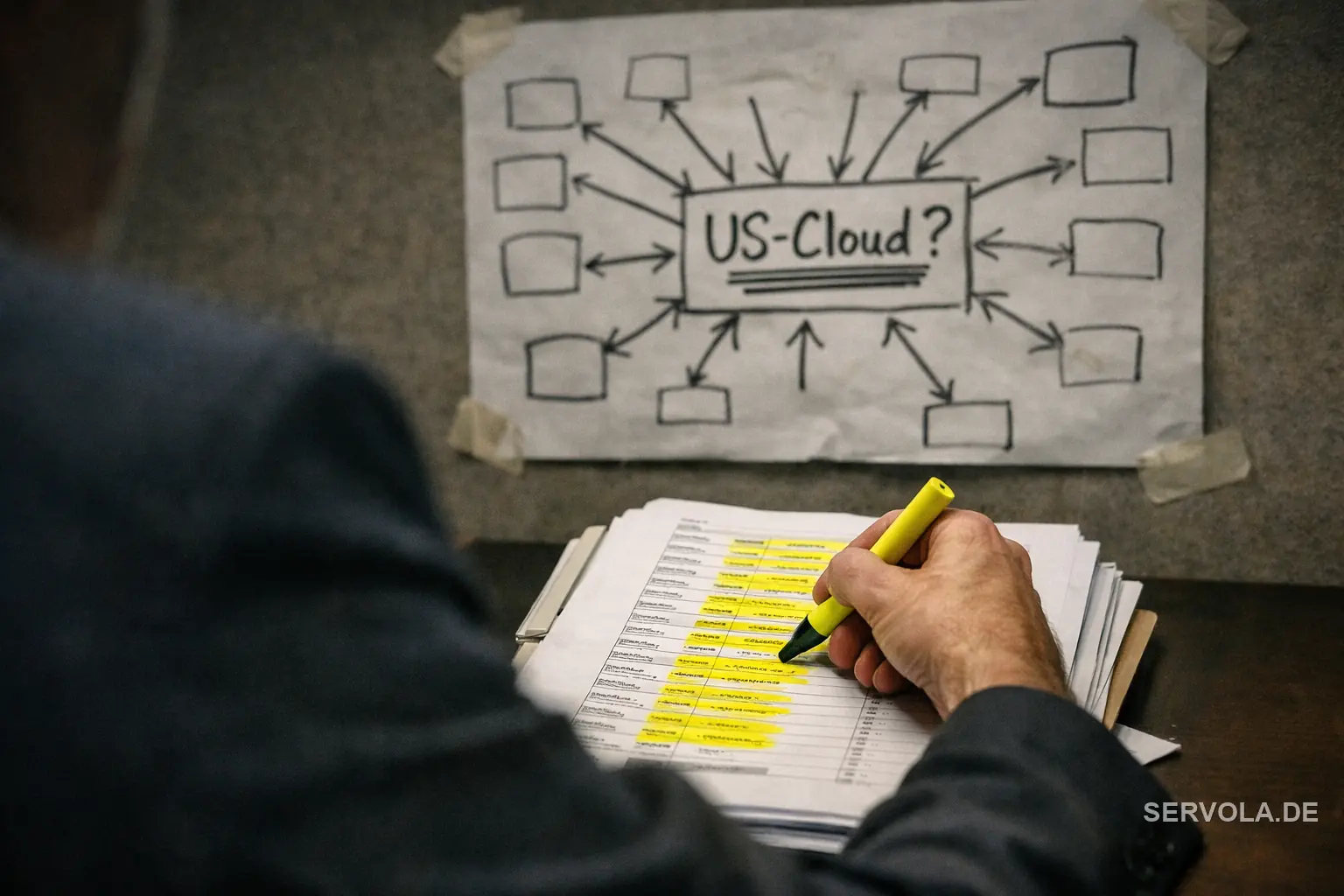
The 2026 European Technological Sovereignty Package and the Cloud and AI Development Act turn dependence on a few hyperscalers into a regulated risk. Stacked with DORA and NIS2, concentration is now a resilience and compliance liability. Here is how to map it.
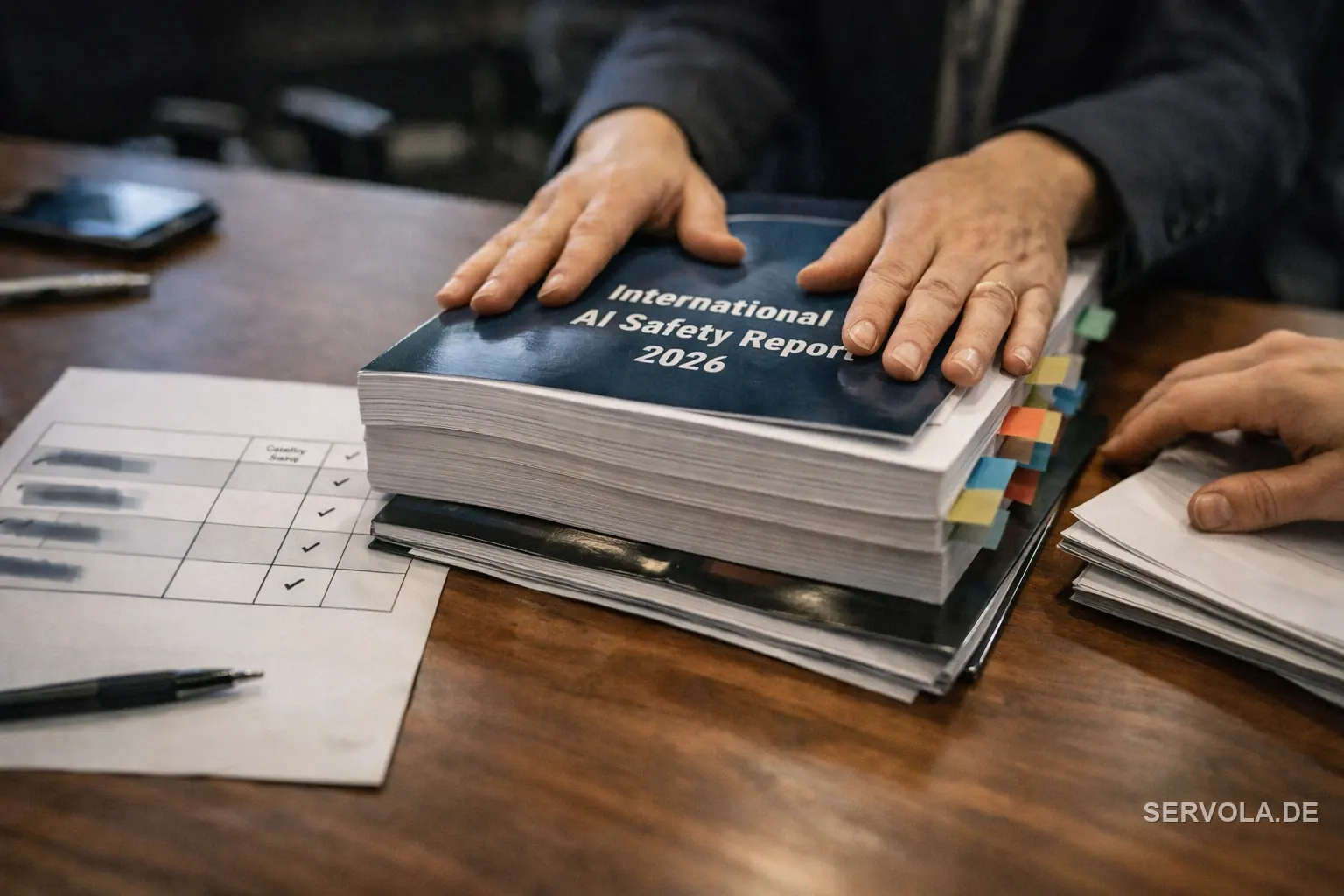
The International AI Safety Report 2026, commissioned by multiple governments, gives regulators and buyers a single shared evidence base for AI risk. As enforcement and procurement start to cite it, aligning early becomes leverage, not bureaucracy.
German AI adoption reached 54.5% in 2026, but the Mittelstand sits at 47.2% against 67.2% for large firms. As the EU AI Act binds from August, that gap is no longer just competitive. It is a governance risk, and here is how to close it.

ISO/IEC 42001, the world's first certifiable AI management system standard, is now a procurement requirement at 72% of enterprise buyers. It covers 70% of EU AI Act high-risk documentation and sits alongside SOC 2 and ISO 27001 in vendor assessments. Here is what that means in practice.
Microsoft's 2026 capital spending is rising partly because AI demand has pushed up memory and storage prices for everyone. AI is now a market force that reshapes hardware costs even for companies that never adopt it, and that changes how you should budget.

The EU postponed the AI Act's high-risk obligations to 2027 and 2028, but the transparency duties still apply from August 2026 and AI-content marking from December 2026. Why the delay is time to prepare, not relief, and how serious companies should use it.
88% of organizations had an AI agent security incident last year. Only 14.4% of agents went live with full IT and security sign-off. Gartner says uniform governance across agents leads to failure. Here is how proportional governance actually works.

OpenAI launched Daybreak and Anthropic has Project Glasswing: both leading labs now ship autonomous AI cyber defense. The real signal is that attacks already move at machine speed, and the winners will be the ones who deploy AI security with real oversight.
Page 134 / 136
One considered note on infrastructure, governance, and measurement, most mornings. No theory.