A Software Investor Is Betting Software Is Not Where AI Breaks
On August 28, 2026, Andreessen Horowitz announced a new $1.1 billion vehicle it calls the Machine Age Fund, roughly EUR 1 billion or GBP 870 million at current exchange rates, dedicated entirely to the physical layer of artificial intelligence: chips, memory, networking, storage, data centers, robotics, and even home AI appliances. Five of the firm's general partners signed the announcement, including co-founder Ben Horowitz, Martin Casado, Raghu Raghuram, David Ulevitch, and David George, calling the buildout "our social and national imperative."
That framing is notable because Andreessen Horowitz built its name, and most of its fortune, backing software companies that scaled without owning a factory or a power line. A firm famous for arguing software eats the world has now raised a fund whose entire premise is that hardware sets the pace of AI growth, and that the teams writing the best code are not the ones deciding how fast the industry can expand anymore.
The Numbers the Fund Published Explain the Bet
In its own announcement, the firm laid out why: compute density per AI server rack rose 28 times between Nvidia's H100 generation and its incoming Rubin generation, and power draw per rack has climbed from the previous 5 to 10 kilowatts to 100 to 250 kilowatts today, a level the firm expects to reach 1 megawatt within three years.
| Stage | Power draw per AI rack |
|---|---|
| Previous generation (H100) | 5 to 10 kW |
| Current generation, per a16z | 100 to 250 kW |
| Projected, within 3 years | up to 1 MW |
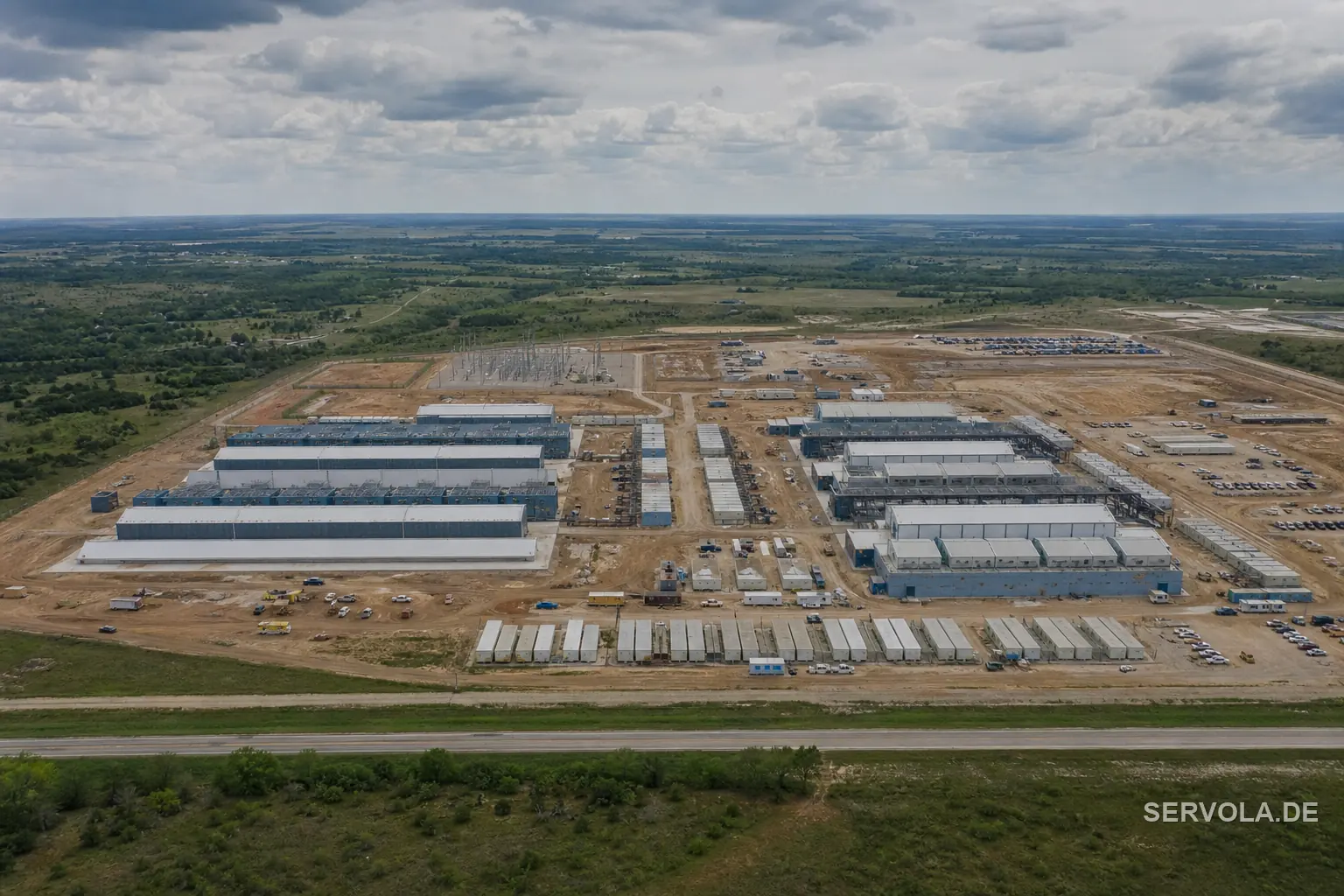
Data centers built to hold that many racks are scaling from tens of megawatts to hundreds, with some campuses now planned at gigawatt scale. The firm's partners argue the hardware supply chain, from chips to cooling to grid connections, has never had to grow this fast: the industry historically expands 20 to 30 percent a year, while AI demand now requires triple-digit growth to keep pace.
Where a16z Is Actually Putting the Money
The fund's own portfolio disclosures give the bet a face: Heron Power, which builds solid-state transformers with silicon carbide chips and battery backup for data centers that lose grid power; Volta Infrastructure Holdings, a data center builder; and Unconventional, a chipmaker, sit alongside existing stakes in Skydio, SpaceX, Anduril, and Waymo. The firm says hardware has grown from a sliver of its deal flow a few years ago to more than 20 percent of it today.
Andreessen Horowitz is not alone in reading the market this way: Kleiner Perkins raised $3.5 billion in March 2026 and Thrive Capital raised $10 billion, both betting that power and floor space, not model quality, are becoming AI's scarcer resource.
For a European Operator, the Constraint Was Never the Chip
None of this is a US-only story. The European Union has spent the past two years building interconnection queues, grid-capacity rules, and a Cloud and AI Development Act specifically because member states already treat power delivery, not chip supply, as the harder constraint on AI buildout, a concern this fund's own numbers make concrete: a single rack drawing 1 megawatt within three years is a demand spike most local grid connections were never sized for.
The practical result for any operator planning a European data-center lease, colocation deal, or on-premises AI cluster is that the budget conversation now has to include grid interconnection timelines and power-purchase terms alongside GPU allocation, because the venture capital chasing this market has already concluded that power delivery decides who gets to build next.
Read next: 50 Billion Dollars In Data Centers Is Splitting America's Unions | SK Hynix Names Interconnect as AI's Next Bottleneck