What Actually Launched on October 1
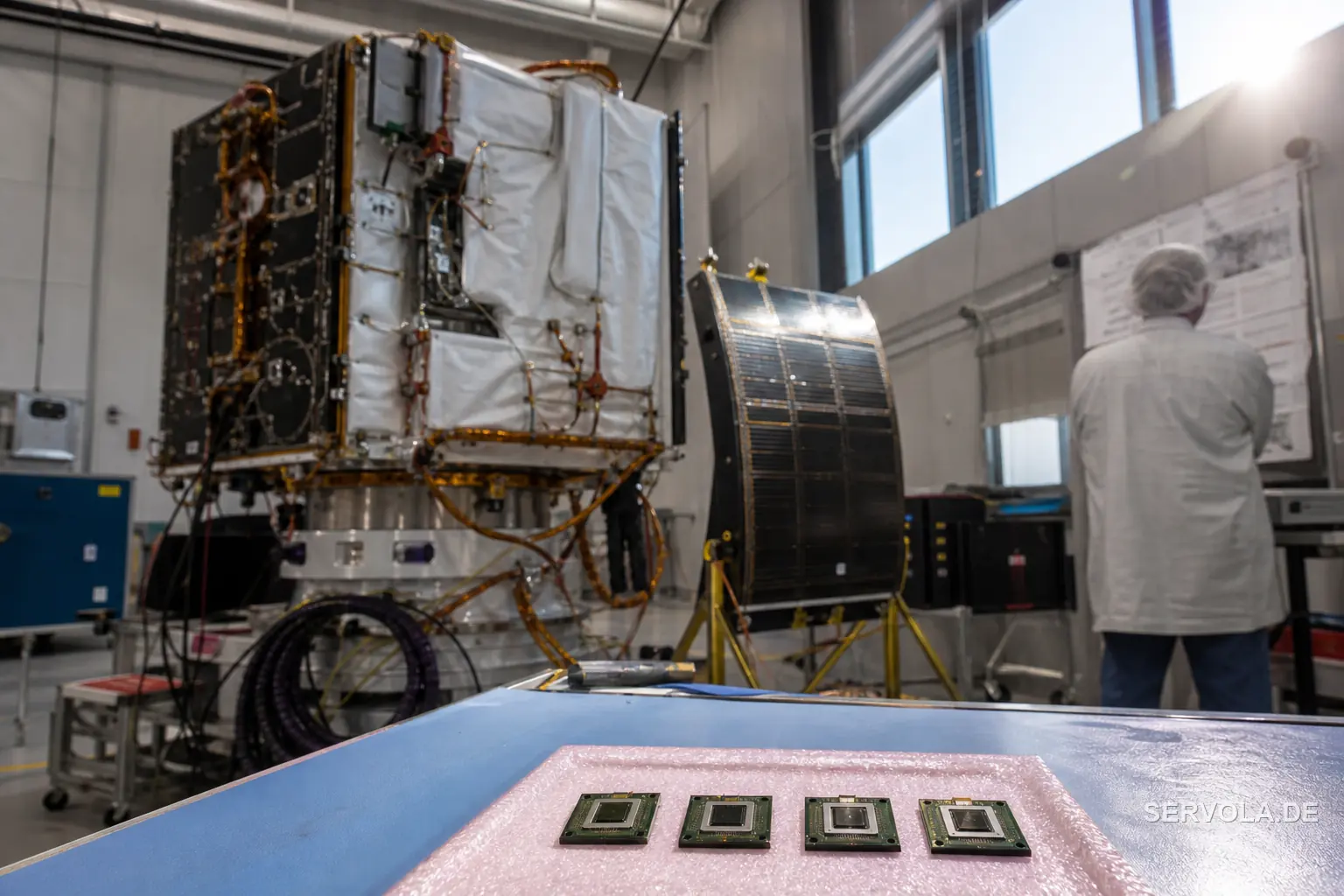
Google put a refrigerator-size satellite carrying four Trillium TPUs and about one kilowatt of solar power into low Earth orbit, on SpaceX's Transporter-18 rideshare mission out of Vandenberg Space Force Base. Google calls it MVP, for minimum viable product, and built it with the satellite maker Planet. Before launch, Google fired proton radiation at the same TPUs on the ground at UC Davis and found they tolerated more than a five-year mission would deliver, and it rated the hardware to survive the 50 to 100 g of vibration a rocket launch puts on cargo.
Why Bother Computing in Space
Low Earth orbit gives a solar panel near-constant sunlight, with none of a ground panel's night, weather or atmosphere in the way, and Google says that is worth up to eight times the energy yield of the same panel on Earth. The catch is cooling: there is no air up there for a fan or a chiller to push against, so heat has to move through thermal-interface materials and heat pipes to radiators that shed it into space, and the MVP can only run its TPUs for limited stretches before that system needs to recover.
The Scale Gap, in Google's Own Words
Google frames the gap in scale as the point of this test, not a footnote to skip past.
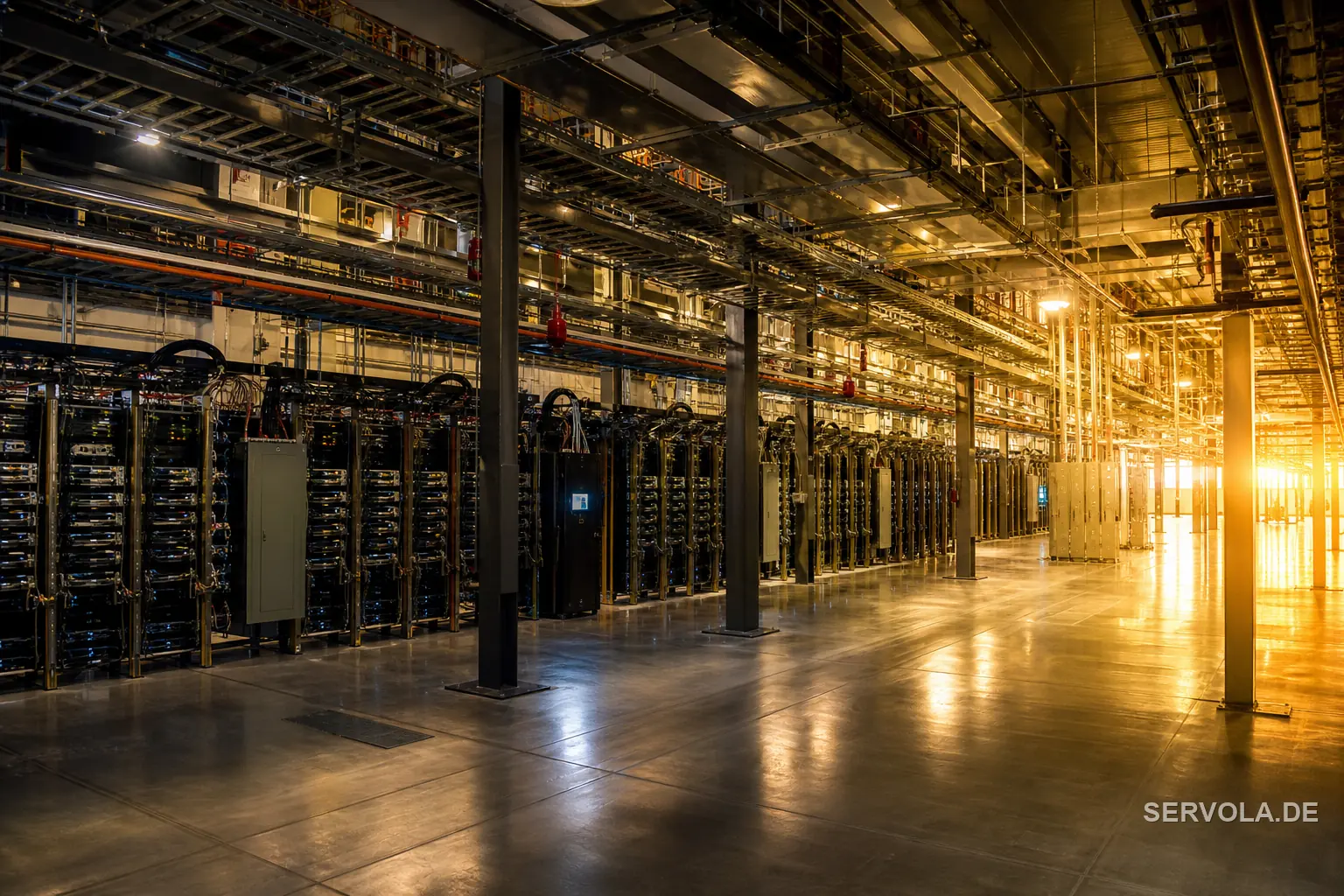
| Metric | Project Suncatcher MVP | A modern AI data center campus |
|---|---|---|
| Compute | 4 TPUs, about one server | Tens of thousands of accelerator chips |
| Power draw | About 1 kilowatt | Hundreds of megawatts to over a gigawatt |
| Cooling | Radiative panels, limited duty cycle | Continuous liquid or air cooling |
Google's own line on it: the October launch "does not yet establish the economics, thermal scalability or networking performance required for an orbital AI data center."
What This Means if You Plan Data Center Capacity
Nothing about this launch changes a near-term capacity plan, and treating it as though it does is the actual risk. The AI power crunch playing out right now runs on grid interconnection queues, gigawatt-scale ground campuses and nuclear or SMR deals, and it needs solving on those terms over the next three to five years, not deferred to a satellite roadmap with no committed date past 2027. Europe runs a related but separate bet on the same underlying idea: the European Space Agency's Solaris initiative is studying whether solar power collected in orbit could be beamed down to the grid, targeting an in-orbit demonstration around 2030 and, ESA estimates, as much as a third of current European electricity demand at full scale. That is about powering the ground, not computing in space, but it shares Google's wager that orbit's constant sunlight is worth the engineering cost.
The Real Test Is Optical, Not Solar
The harder unsolved problem is not power, it is linking chips together across empty space. Google's 2027 follow-up puts two satellites in orbit specifically to test laser interconnects between spacecraft, because any useful cluster needs the kind of high-bandwidth, low-latency link that copper and fiber deliver for free on the ground and that no one has proven between satellites in relative motion. That 2027 test, not the October launch, is the one that will show whether this roadmap has legs.
Read next: Ten Banks Financed a Company That Had Launched Eight Days Earlier | Five Billion In Defense Money Is Now Chasing GPUs