A drone-boat firm crosses a billion dollars
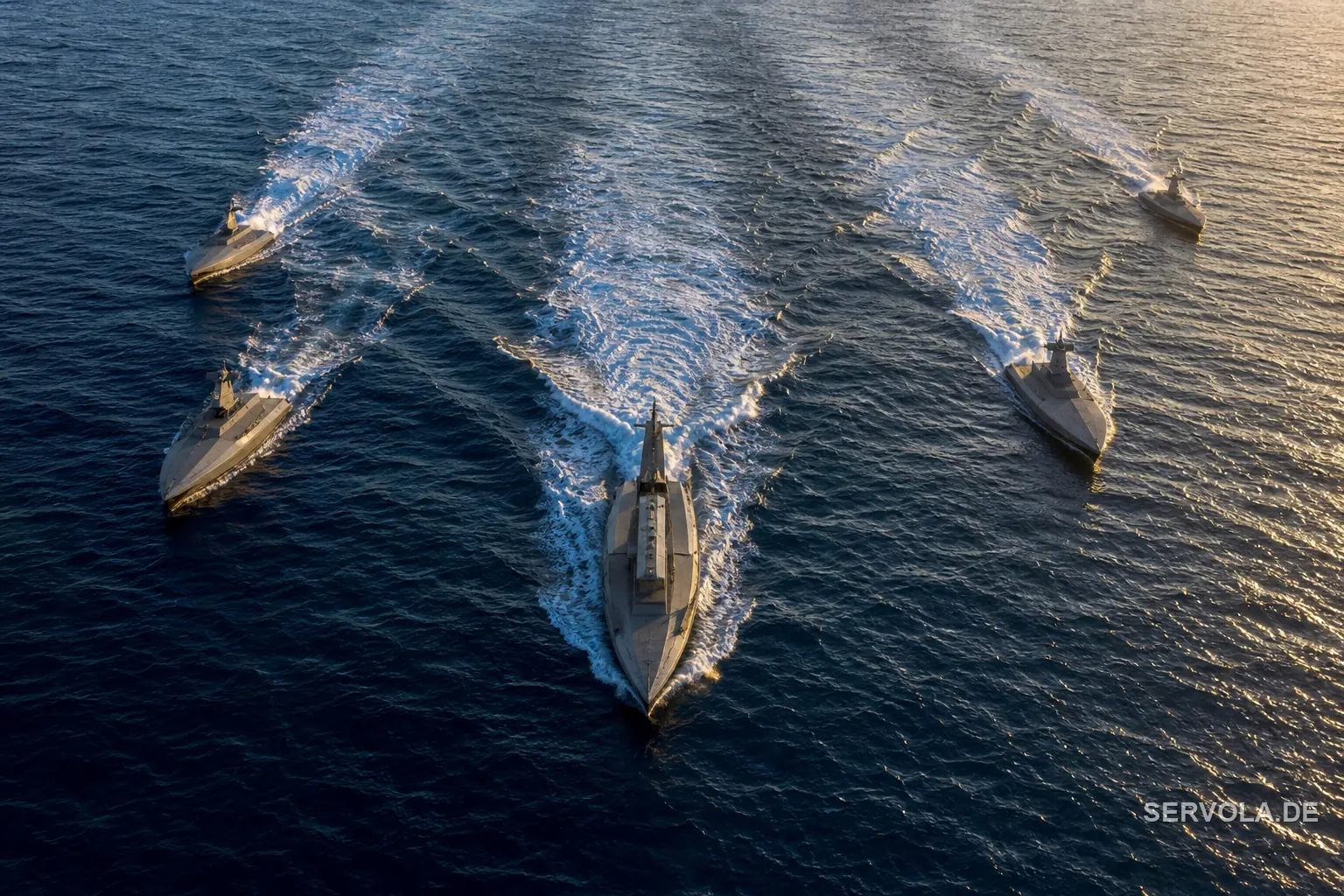
Kraken Technology Group did not raise money to prove a prototype. On 9 July the British maker of uncrewed surface vessels closed a 175 million dollar Series B, about 153 million euros, at a valuation of 1 billion dollars, and with it became Europe's newest defence unicorn. The product is autonomous boats, and the buyers are already navies.
The round was led by DTCP. What sits around it in the cap table is the more telling part, because it shows who now wants a stake in uncrewed maritime warfare.
The syndicate tells the story
State money and industrial money are in the same round. The backers include the NATO Innovation Fund and the UK's British Business Bank on the public side, the arms manufacturer Rheinmetall on the strategic side, and venture and advisory firms including Hakluyt Capital, Supernova Invest, Thesiger Capital, BOKA Capital, HICO and Inocea on the financial side.
That mix is the signal. When a sovereign fund, a listed defence prime and generalist investors all price the same company, uncrewed maritime autonomy has moved from a research bet to an asset class. Europe's defence and resilience startups raised about 8.7 billion dollars in 2025, and rounds like this are why.
From R&D to real orders
Kraken is not selling potential. It holds contracts with the UK Ministry of Defence, NATO European partners and US Special Operations Command, spanning surveillance, mine countermeasures and long-range autonomous transit at sea. The pull is the threat picture: contested waters in the Baltic and North Sea, and undersea cables and pipelines that navies now have to watch continuously.
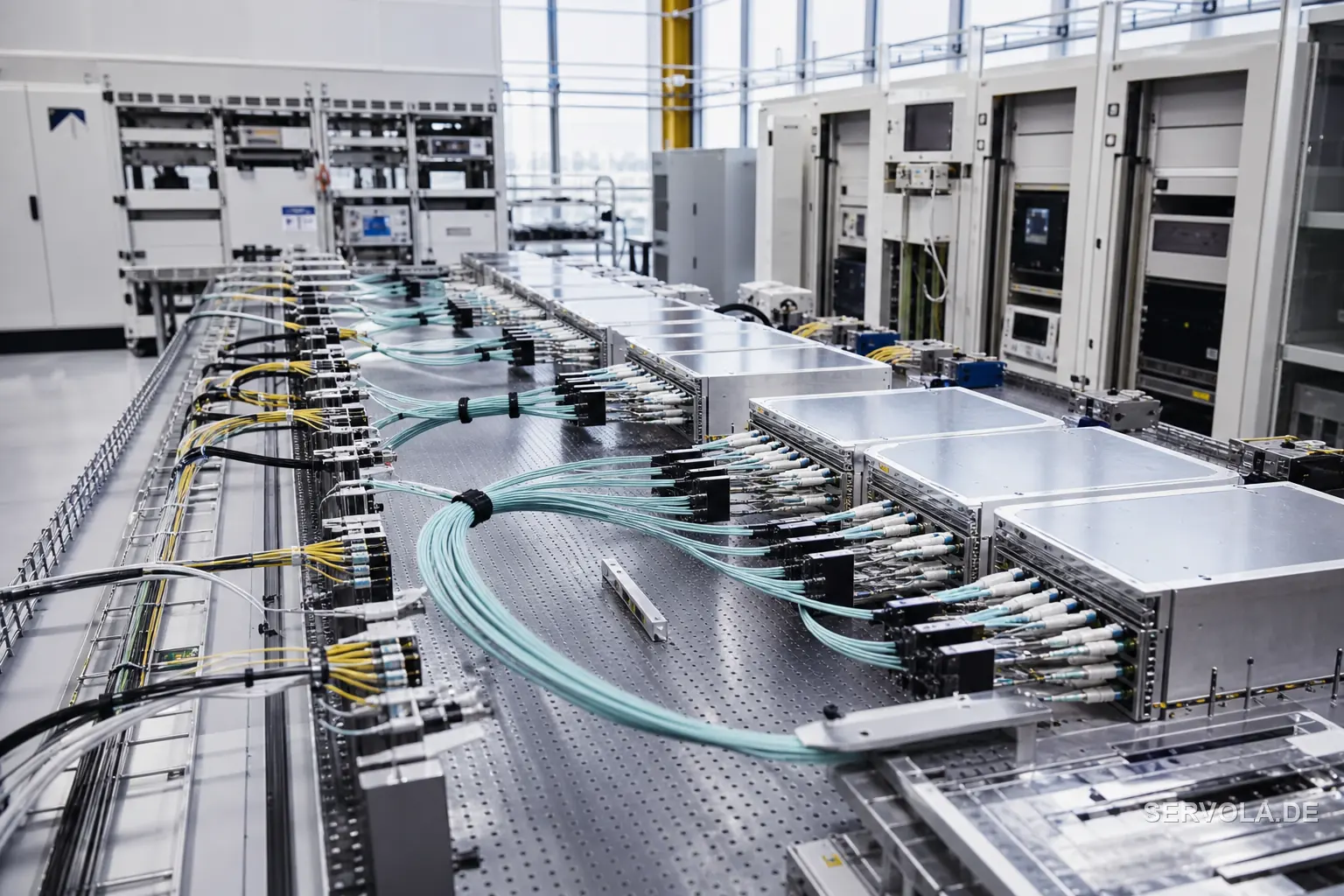
Manufacturing is being built to match. Kraken has signed production partnerships with Rheinmetall in Germany, Anduril Industries in the United States and Inocea's Davie shipyard in Canada, spreading build capacity across three allied industrial bases.
Why owners across sectors should watch
Dual-use is the theme that reaches past defence. The same autonomy, sensing and maritime-robotics stack that patrols a naval perimeter also inspects offshore wind farms, pipelines, ports and subsea cables, the physical layer that carries data and energy. An operator of critical infrastructure is a latent customer for exactly this technology.
The supply chain is consolidating around a few autonomy vendors backed by primes and sovereign funds at once. That concentrates capability and, over time, pricing power. Anyone who will buy uncrewed inspection or security at sea should watch who owns the platform layer now being financed.
What the deal changes
The bottom line is that European defence tech is now fundable at scale. A domestic uncrewed-systems company can reach a billion-dollar valuation on the strength of allied contracts and a sovereign-plus-industrial cap table, without leaving for the US to do it. That is a different picture from the one European deep tech usually paints.
The open question is delivery. Unicorn valuations in hardware are underwritten by production, not slides. Watch whether Kraken's three-country manufacturing base ships at contract volume; that, not the funding headline, decides whether the valuation holds.
Read next: Molten Ventures Closes GBP 175M Growth Fund | EUR 488 Million Later, Europe Still Needs a Launcher