A record launch day and a redundancy consultation
In the same week, two documents came out of Nothing's offices near Kings Cross in London. One was a sales figure the company was happy to publish: the Phone (4b) sold 29,537 units on its first day, which co-founder Akis Evangelidis said broke records in its price segment. The other was a redundancy consultation. City AM reported on 24 July that more than 100 of the company's roughly 800 global staff could be affected, with around 25 at risk in the global marketing team alone.
The affected functions are product marketing, social media, creative, production and project management, and some mobile and software product marketing work is moving to India. Consultations have begun across several regions and some employees have already left. Nothing had already cut sales and marketing roles in Shenzhen earlier this year.
The company's own framing is growth, not retreat. It says it is restructuring parts of the global team to prepare for its next phase, introducing dedicated business units including an AI-native one, and consolidating individual countries into regional hubs. Evangelidis was blunter about a separate report that Nothing was abandoning a dozen markets, calling it fake news and saying the company is not shutting down any markets.
When one component passes half the bill
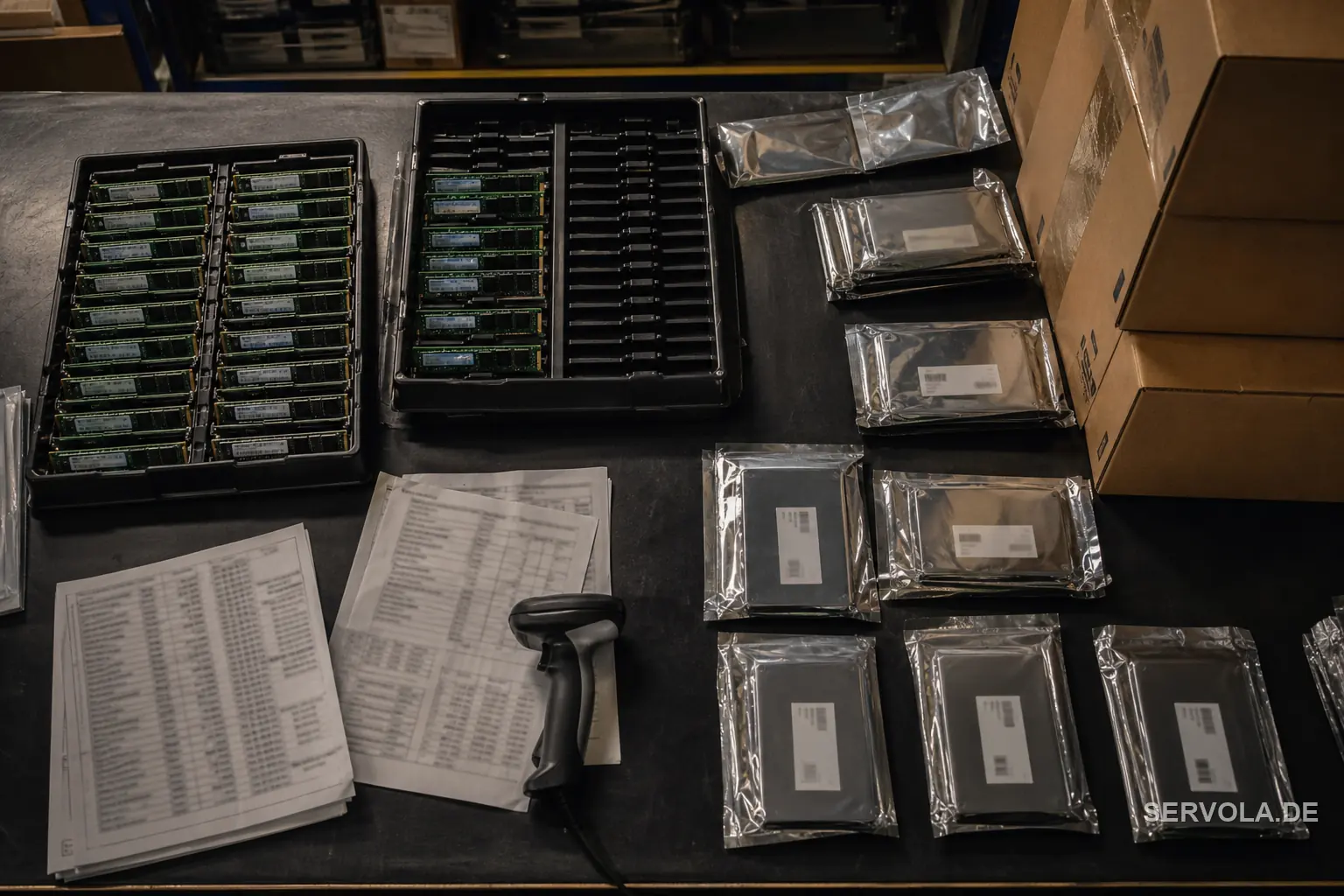
The number that explains this: memory is now the single most expensive part of a smartphone, accounting for more than half the hardware bill. That is not a Nothing figure but an industry condition, and Carl Pei has been describing it publicly for months. He has said the cost of memory doubled while the Phone (4a) was in development, then doubled again after the phone launched, which is a fourfold move inside one product cycle.
Individual memory lines have risen by as much as 300 percent. Modules that cost under 20 dollars a year ago could exceed 100 dollars for top-tier models by the end of this year. Handsets released since February 2026 have arrived at prices roughly 100 dollars above the generation they replaced, and Pei has said prices will keep rising through the rest of this year and possibly into next.
Read it this way: a company with 150 percent revenue growth and a record launch day is running a redundancy consultation. Those facts are not in tension, because the pressure is not coming from customers. It is coming from a supplier market where four firms decide the price, and no volume of marketing headcount changes that arithmetic.
What a growing company cutting staff is telling you
The operating lesson generalises well beyond phones. When a single bought-in input crosses roughly half of your cost of goods, your operating leverage has quietly moved onto your supplier's balance sheet. Everything you control shrinks in relative importance, and the internal savings available to you are small compared with the line item that moved. Cuts in that position are a way of buying time, and they should be understood and communicated as such.
There is a governance detail worth noting alongside the growth story. Nothing surpassed 1 billion dollars in cumulative revenue last year and was valued at 1.3 billion dollars in 2025, yet its accounts for the year ending 31 December 2024 remain unfiled. Strong headline numbers and late statutory filings are a combination that any counterparty extending credit or committing to a supply agreement should price consciously.
The practical step: take your bill of materials and find any single supplier input above 40 percent of unit cost. For each one, establish today what a second source would cost and how long qualifying it would take. Those two numbers are the entire negotiation, and the time to obtain them is before the renewal, not during it.
Read next: Memory Prices Did What the Note 7 Could Not | Google Stopped Absorbing Your Memory Price