The Efficiency Claim Both Nvidia and SemiAnalysis Confirm
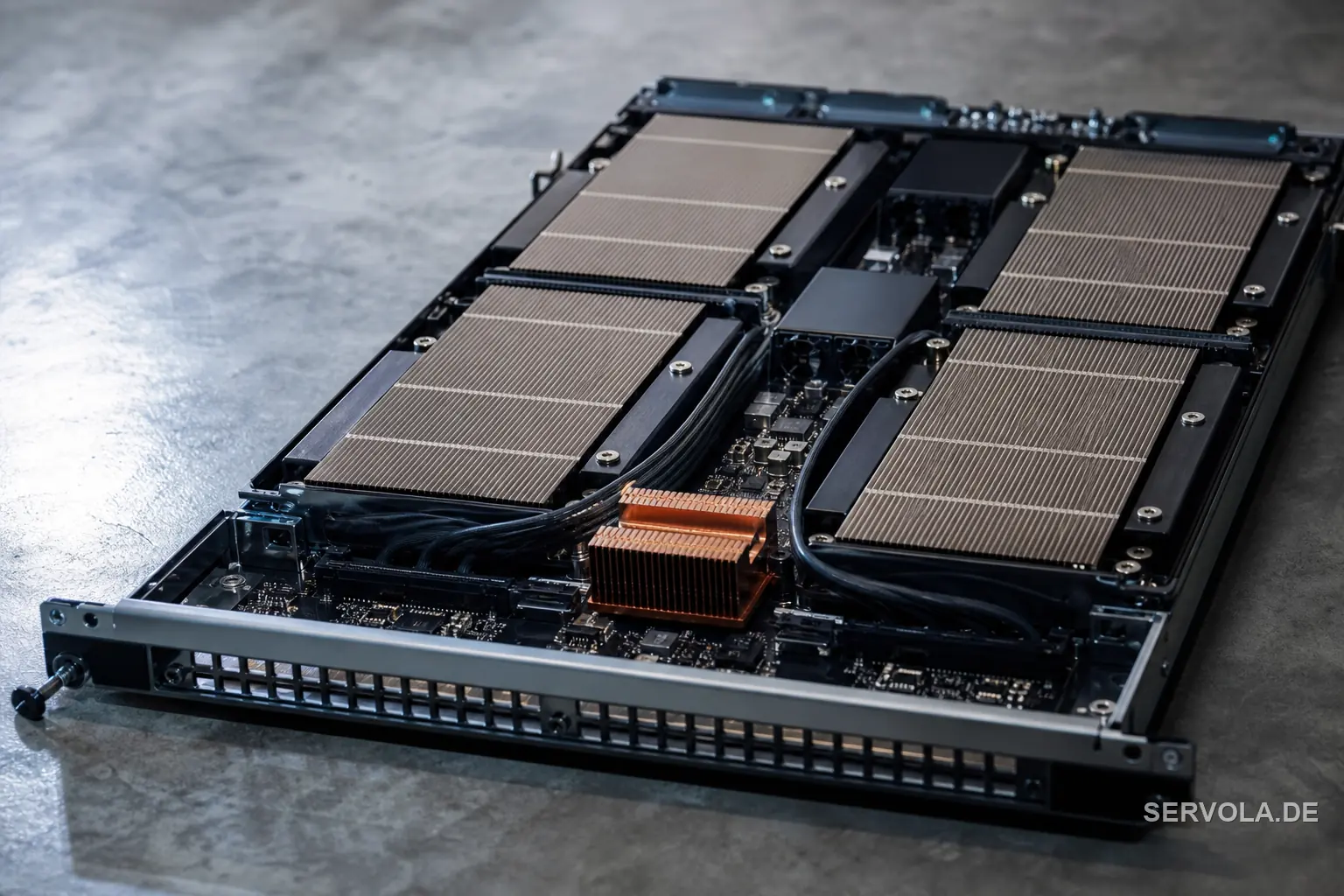
At the AI Infra Summit in Santa Clara on September 15, in front of more than 8,000 attendees, Nvidia vice president of hyperscale and high-performance computing Ian Buck laid out the efficiency case for the company's next hardware generation. Nvidia says its Vera Rubin NVL72 platform, combined with partner Groq's "3 LPX" software and networking stack, delivers up to 35 times higher token throughput per megawatt than the current GB200 NVL72 generation on models above two trillion parameters. The company's "DSX MaxLPS" reference design adds up to 40 percent more GPU capacity within the same site power budget and, Nvidia says, needs no new power lines to get there.
The unusual part is that an outside benchmark backs a large share of the claim. SemiAnalysis ran its own "AgentX" benchmark on a DeepSeek V4 Pro workload and measured up to 30 times higher throughput per megawatt for Vera Rubin NVL72 against the prior GB300 NVL72, a figure close enough to Nvidia's own number that the efficiency gain reads as real rather than marketing arithmetic. Nvidia's customer evidence points the same way: cloud provider Lambda reported a 23 percent improvement in performance per watt after moving to DSX MaxLPS on Blackwell hardware, with cluster-wide token throughput rising from about 4 million to 5 million tokens per second.
What the IEA's Own Numbers Say About the Grid
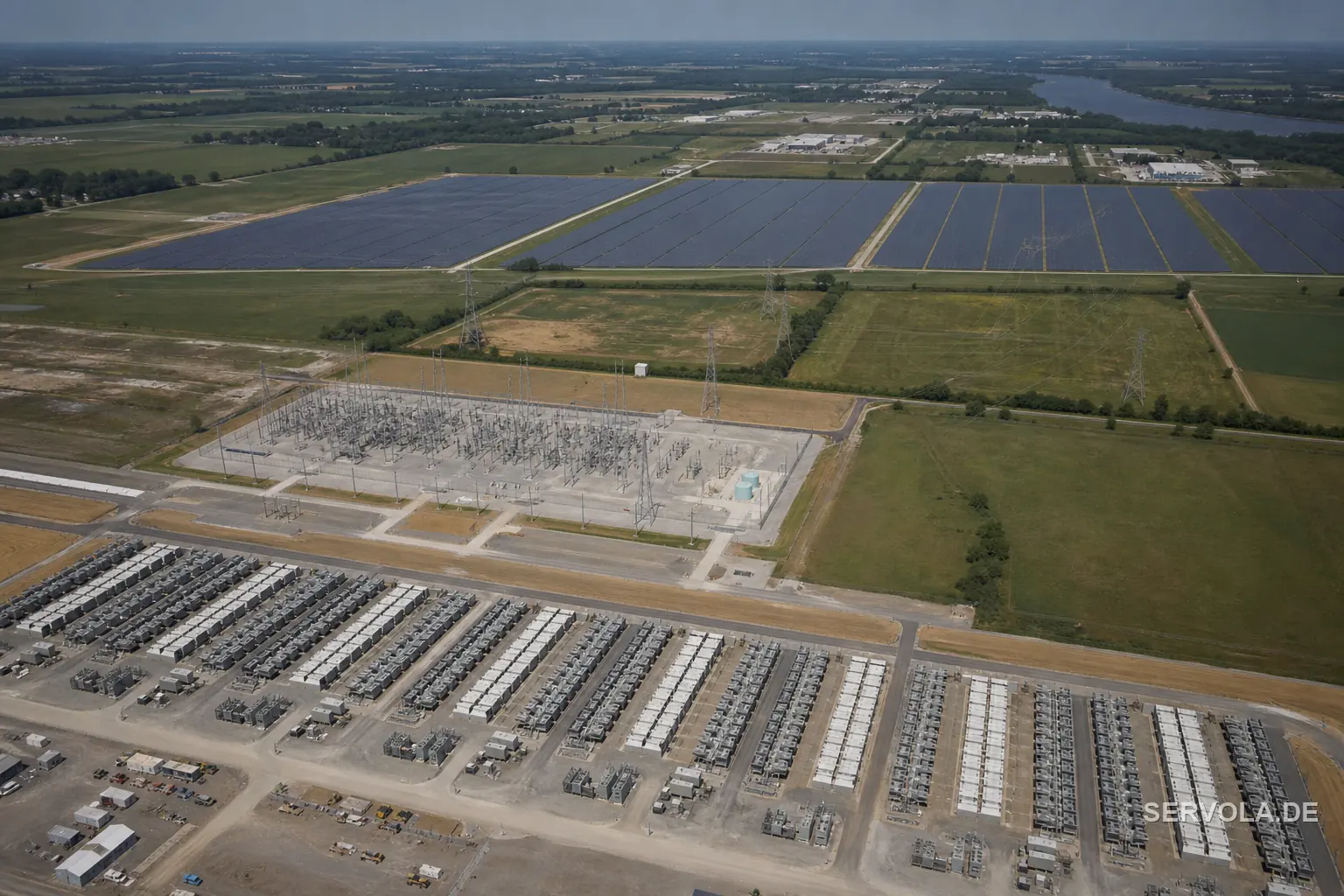
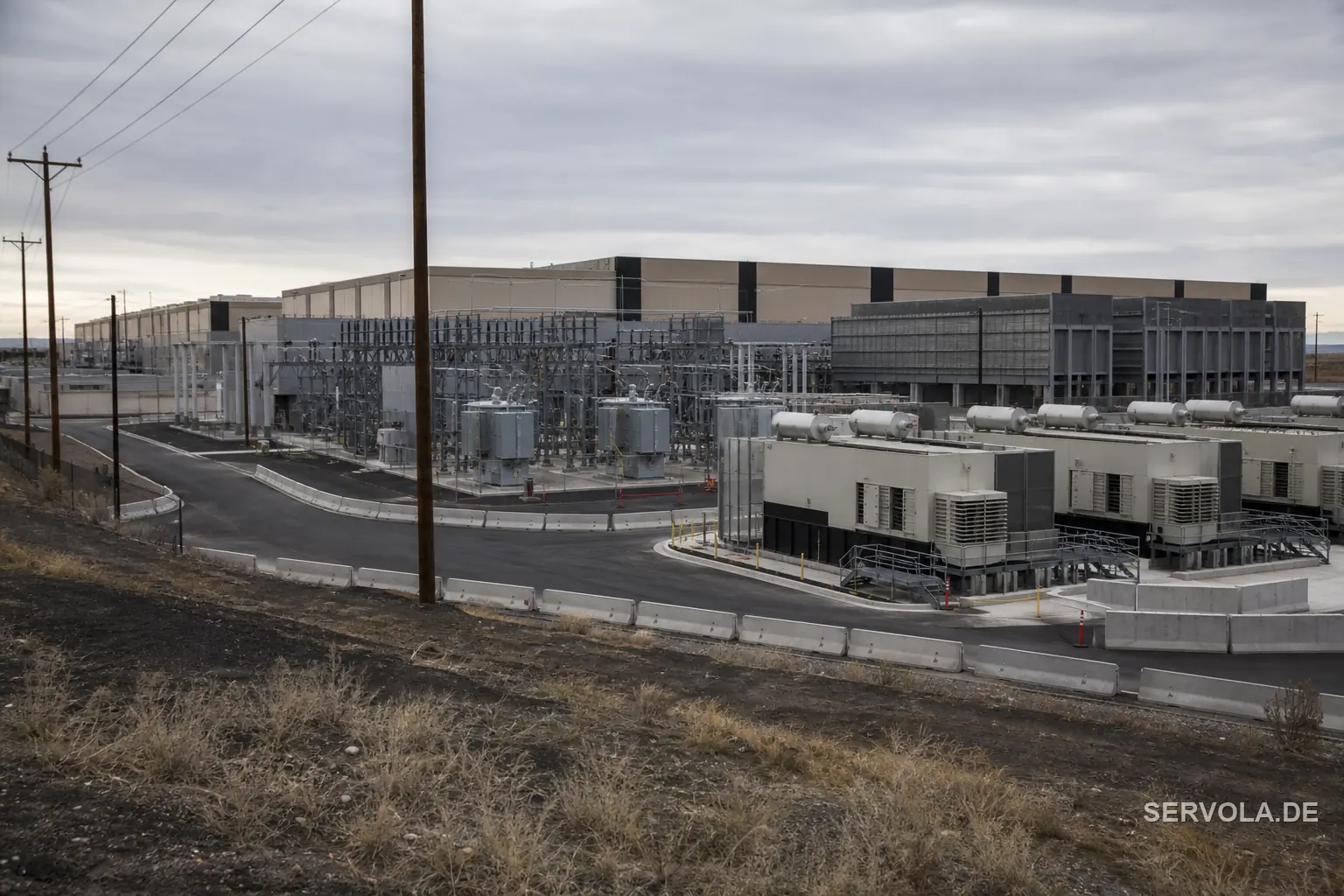
None of that efficiency shows up as falling demand in the International Energy Agency's own figures. In its "Energy and AI" report, the IEA projects global electricity generation for data centers rising from 460 terawatt-hours in 2024 to more than 1,000 terawatt-hours by 2030, and on to 1,300 terawatt-hours by 2035. Of the additional demand growth between 2024 and 2030, renewables meet close to 50 percent, growing at roughly 22 percent a year, but natural gas and coal combined still supply more than 40 percent of that same new demand, and nuclear only becomes a meaningful contributor toward the end of the decade.
| Fuel source | Share of 2024 global data-center power |
|---|---|
| Coal | About 30 percent |
| Natural gas | 26 percent |
| Renewables | About 27 percent |
| Nuclear | 15 percent |
That starting mix explains where the emissions come from. The IEA projects data-center CO2 emissions rising to a peak of around 320 million tonnes by 2030 before only a shallow decline to about 300 million tonnes by 2035. In the United States specifically, the agency expects natural gas to add more than 130 terawatt-hours of new annual generation between 2024 and 2030, against 110 terawatt-hours from renewables in the same window.
The Number a European Operator Should Actually Plan Against
Nvidia's efficiency numbers are a genuine engineering achievement. A 30 to 35 times gain in tokens per megawatt, independently benchmarked by SemiAnalysis rather than claimed by Nvidia alone, will lower the compute cost of running any given AI workload, and Lambda's production numbers back that up. The claim answers an engineering question about chip and rack design, though, and that is a different question from the one a compliance officer or a CFO is actually pricing when they model a facility's power draw and its supply chain's carbon exposure.
The IEA's numbers give that second question its own answer: total data-center electricity more than doubles by 2030 regardless of how efficient any single chip generation gets, because the volume of AI compute being built is growing faster than the efficiency curve. Vendor tokens-per-megawatt figures belong in a total-cost-of-ownership model. The emissions figure that feeds CBAM-adjacent cost planning, ESG disclosure and a power-purchase agreement negotiation comes from the fuel mix building the grid, not from a chipmaker's press release, and European operators should keep the two curves on separate spreadsheets.
Why We Do This
We do this for everyone trying to keep up with what technology is doing to our lives. The people who build it, and the people it happens to. The Servola Journal exists so that what we learn belongs to all of them.
Nobody pays us for this. No ads, no paywall, free to everyone. We just believe that understanding what's happening to all of us shouldn't depend on who can afford to pay for it.
If it gave you something today, tell us to keep going. Follow us, leave a like, or write a positive comment. We read every one, and they are what keeps us going.
Read next: Ohio Ratepayers Won't Pay for OpenAI's 8GW Campus | The Chip Nvidia Licensed From Groq Now Ships