Newcastle Gets the First Order
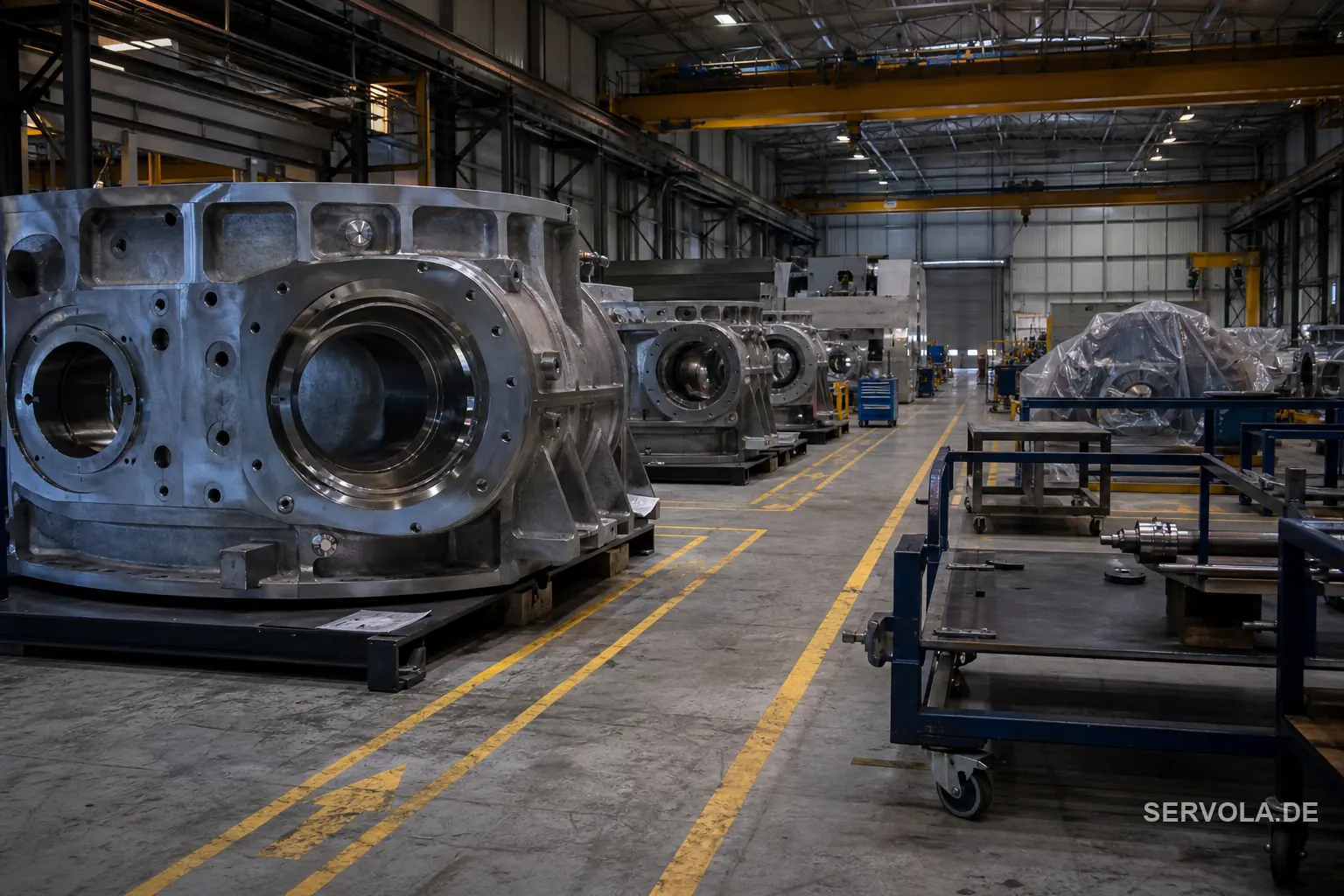
On September 4, 2026, Siemens Energy confirmed it will manufacture the high-pressure turbines and valve casings for the first three Rolls-Royce SMR reactors, to be built at the Gwyndod Power Station on the Wylfa site in Anglesey, North Wales. The order will be built at Siemens Energy's Newcastle factory, backed by an investment reported in the tens of millions of pounds, and is expected to support more than 550 jobs.
Rolls-Royce SMR says it is the first time small-reactor turbine components have been produced anywhere in Europe. "By working with Siemens Energy in Newcastle, we are building on a remarkable industrial legacy while creating and sustaining the skills and supply chain needed to deliver clean, secure and affordable energy for decades to come," said Chris Cholerton, CEO of Rolls-Royce SMR. Siemens Energy UK Vice President Darren Davidson called it part of "supporting energy security, creating skilled jobs and helping power the UK's future energy mix."
The Same Week, a Second Country Signed On
Four days later, on September 8, Rolls-Royce SMR signed a separate memorandum of understanding with ABB, under which the Swiss-Swedish industrial group will explore supplying automation, electrification, instrumentation and communication systems across the reactor fleet. "Collaboration is key - no single company or country alone can deliver the scale of energy expansion required to meet future demand," said Per Erik Holsten, President of ABB's Energy Industries division.
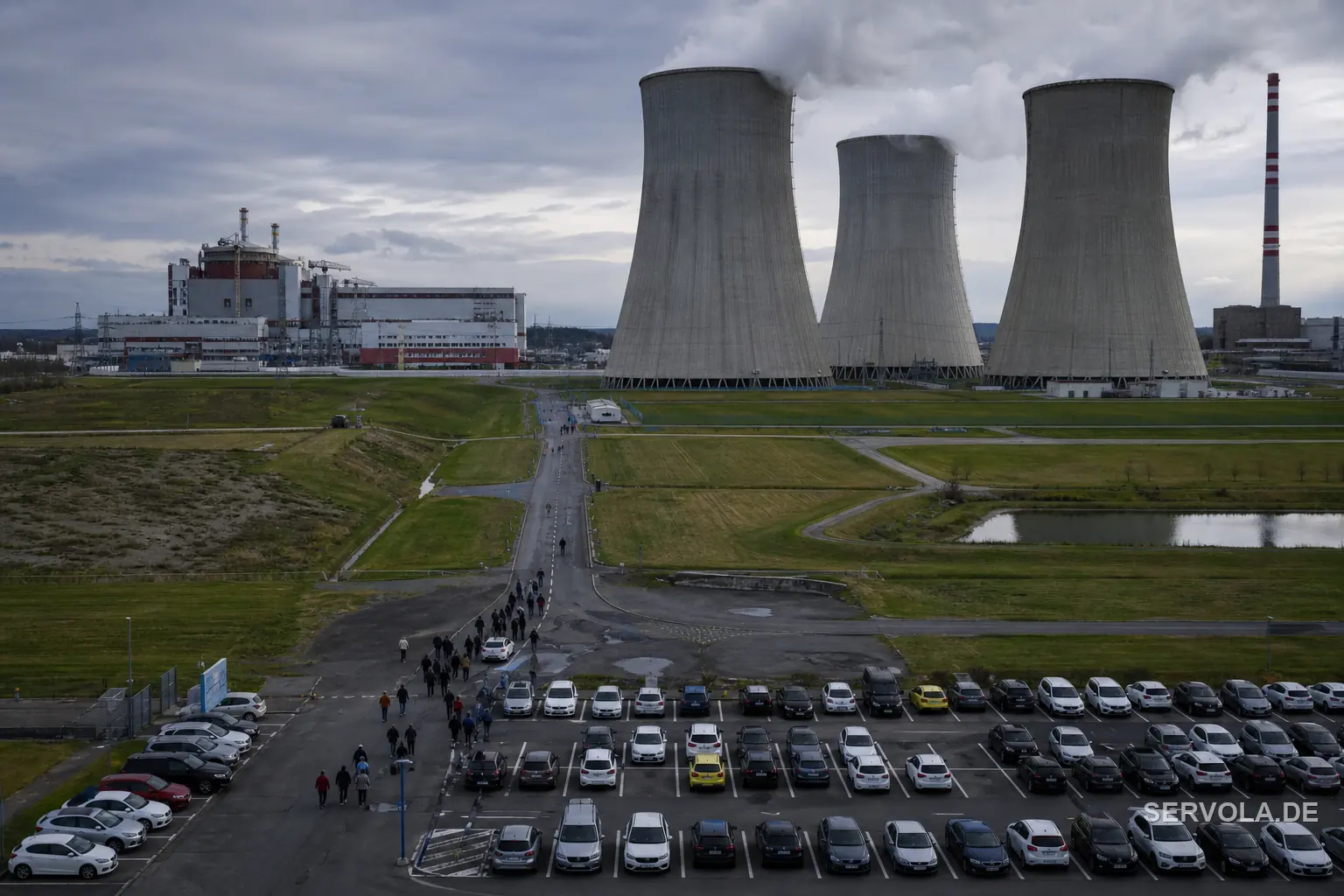
The same week, Czech utility CEZ and the country's Ministry of Industry and Trade confirmed plans to deploy up to 3 gigawatts of Rolls-Royce SMR capacity, starting with a first unit at the Temelin site and further units planned at coal sites including Tusimice.
| Location | What Was Signed | Scale |
|---|---|---|
| Wylfa, Wales (UK) | Siemens Energy turbine manufacturing contract | 3 reactors, 550+ jobs |
| Fleet-wide | ABB automation and electrification MOU | Across all Rolls-Royce SMR projects |
| Czech Republic | CEZ and Ministry of Industry and Trade MOU | Up to 3 gigawatts, starting at Temelin |
Why a Factory Contract Is a Different Kind of News
Nuclear projects generate press releases at every stage, and most of them cost nothing to walk back: a government picks a site, a utility signs a memorandum of intent, a company announces a partnership exploration. None of that commits real capital or headcount. A manufacturing order is different. Siemens Energy is retooling an actual factory floor in Newcastle and hiring against it, a cost the company only takes on if it believes the reactor design will actually be built at volume.
That is the real signal in this week's cluster of announcements: two governments, three companies and one reactor design converging on the same industrial commitment inside four days. For an energy buyer or grid planner trying to judge whether small modular reactors are still a slide deck or an actual supply chain, the test is not the next siting announcement, it is whether more factories start cutting metal for this specific design.
What to Watch Before the First Reactor Runs
None of this means power from Wylfa is close. The UK government still expects a final investment decision on the Wylfa units only in 2029, and Rolls-Royce SMR's own case rests on a standardised, factory-built design: each unit is rated at 470 megawatts, built to roughly 16 by 4 metres, with about 90 percent of its components assembled off-site before delivery. The whole model depends on repeating that assembly line, not on any single site.
The near-term test for the fleet is now visible and trackable: whether the UK confirms the Wylfa investment decision on schedule, whether the Czech Temelin unit reaches its own construction contracts on a similar timeline, and whether Rolls-Royce SMR lands a repeat customer beyond these first two governments. Each of those is a real date or a real contract, not a press statement.
Read next: Ireland May Reverse Its 27-Year Nuclear Ban For AI | Spain Delays Almaraz Nuclear Shutdown by Three Years