Revolut Is Testing Whether London's Fixes Actually Work
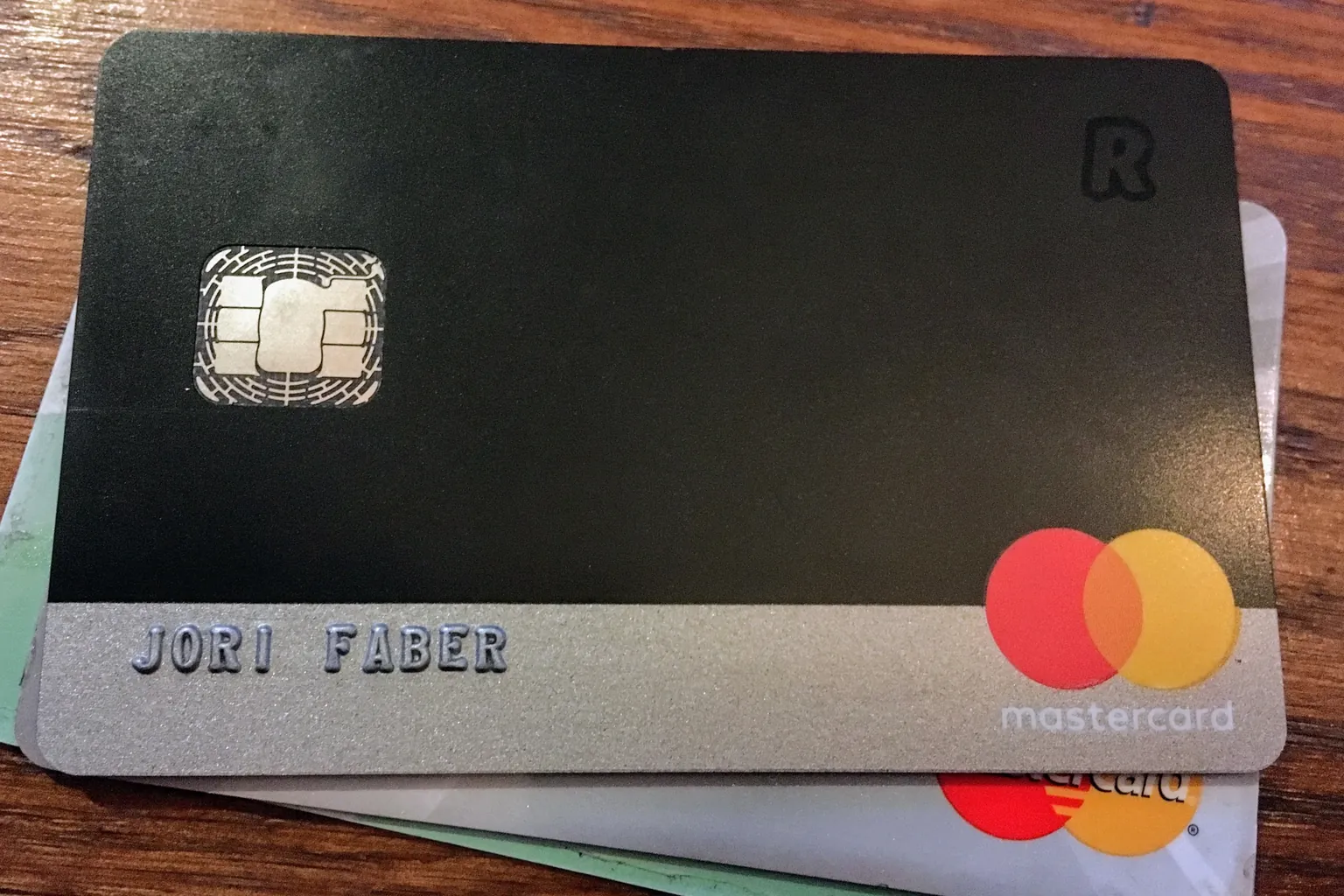
Revolut founder Nik Storonsky told the French newspaper Les Echos that the company is weighing a dual listing on the London Stock Exchange and Nasdaq. Revolut was last valued at $115 billion in a private share sale, a figure that would make it one of the largest public companies in the UK if it lists there, ahead of established banks like Barclays and NatWest. Storonsky has previously said a float could come within about two years, depending on market conditions.
He still framed New York as the stronger option: "It's a larger market. It includes institutional investors, hedge funds, fund managers and a considerable number of individual investors." That is not new. What is new is what London has built since the last time he said something like it.
The UK Built the Exact Fix Storonsky Asked For
Storonsky has previously named the UK's 0.5 percent stamp duty on share trades as a specific reason to avoid listing in London, a cost that does not exist on US exchanges. Since then, the UK has moved on two fronts that speak directly to that complaint. A new rule fast-tracks companies of Revolut's size into the FTSE 100 within five days of listing, guaranteeing index-fund demand from day one instead of making a new listing wait months to qualify. Separately, UK Chancellor Rachel Reeves and US Treasury Secretary Scott Bessent announced a transatlantic taskforce built specifically to make dual UK-US listings easier, during President Trump's state visit.
Revolut is the company that made stamp duty a public talking point for years. If a dual listing is being weighed seriously now, it is the first real test of whether the UK's fixes change an actual decision, not just the conversation around one.
Even With the Fixes, London Is Still the Second Name Mentioned
Storonsky's own words still put New York first. He calls it the larger market, with deeper institutional and hedge fund participation, and his praise for London in this round of reporting is notably absent. That is worth reading carefully: stamp duty was one obstacle, and the UK has now addressed it. But the pull toward New York for a consumer fintech chasing scale looks like it runs deeper than one tax line, into liquidity depth, comparable-company valuations and the sheer size of the US retail investor base.
A dual listing lets Revolut have both: FTSE 100 inclusion and the UK profile that comes with calling London home, alongside the liquidity and valuation comps of a US listing. That is the pragmatic reading of "dual," not a vote of confidence in London on its own.
What This Means for Other UK Tech Companies Weighing an IPO
For founders of other large UK-based tech companies, Revolut's decision is the test case to watch, not the general policy announcements. If Europe's most valuable fintech does end up including London in a dual listing, that is a concrete signal the fast-track FTSE rule and the taskforce are worth factoring into a listing decision, not just a headline for officials to cite. If Revolut lists in New York alone, or leads heavily with New York in practice, it says the underlying pull toward US markets for scale-stage tech companies is structural, and a five-day FTSE fast-track does not offset it.
Either outcome is more informative than the policy announcement itself. Watch what the company that spent years naming London's cost problem out loud actually chooses to do now that the UK says it has fixed it.
Servola Journal
We do this for everyone trying to keep up with what technology is doing to our lives. The people who build it, and the people it happens to. The Servola Journal exists so that what we learn belongs to all of them.
Nobody pays us for this. No ads, no paywall, free to everyone. We just believe that understanding what's happening to all of us shouldn't depend on who can afford to pay for it.
If it gave you something today, tell us to keep going. Follow us, leave a like, or write a positive comment. We read every one, and they are what keeps us going.
Read next: Europe's Pension Funds May Buy a Circular AI Bet | Anthropic's Biggest Deal Ever Died Weeks Before Its IPO