A deal that cleared everywhere except Europe
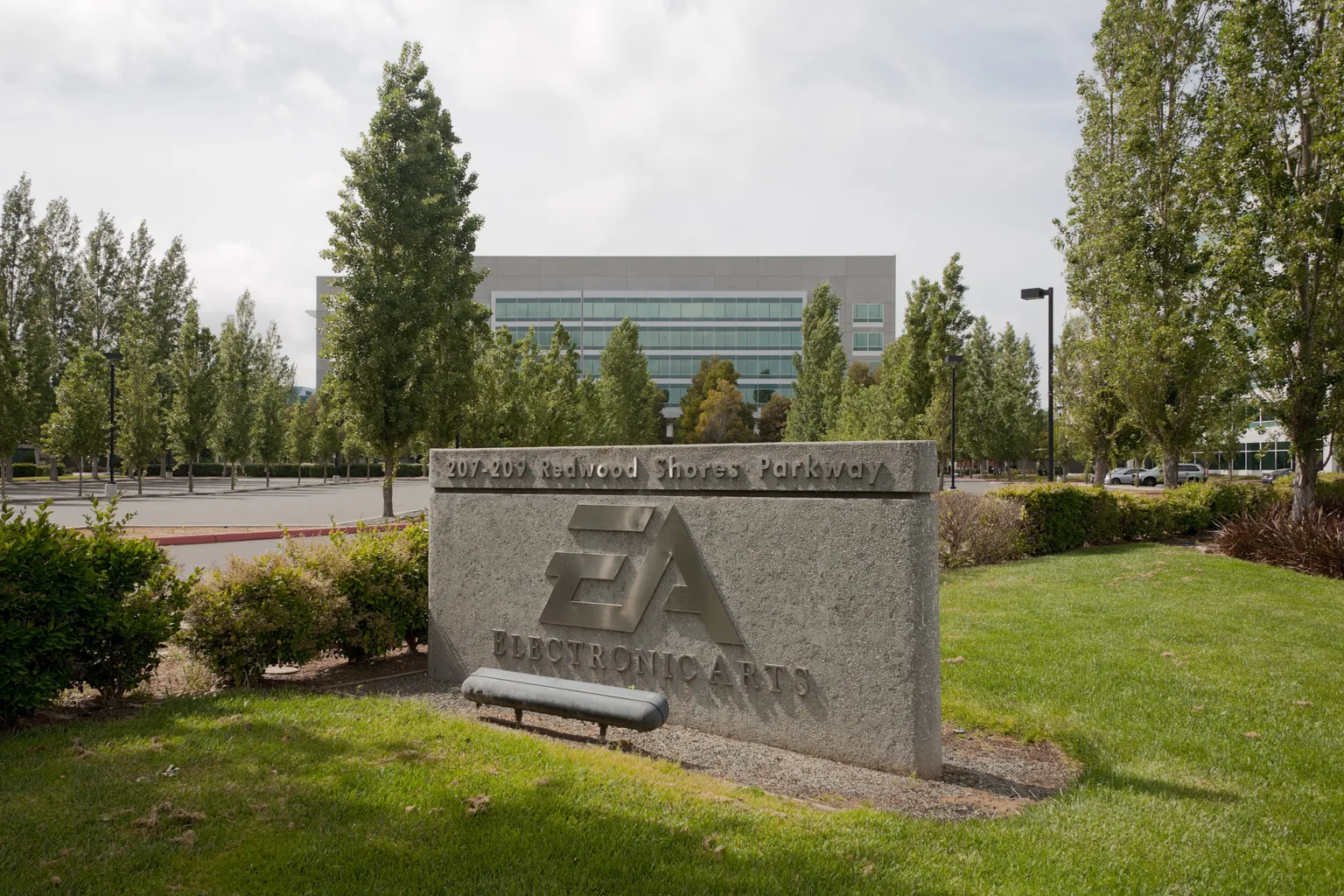
Electronic Arts spent 36 years as a public company before its shareholders voted on 22 December 2025 to take it private in a 55 billion dollar all-cash deal, the largest leveraged buyout ever recorded. The buyers are a consortium led by Saudi Arabia's Public Investment Fund, alongside Silver Lake and Affinity Partners. In the United States the Hart-Scott-Rodino antitrust clearance passed in June 2026, removing the biggest domestic hurdle, and a separate national-security review by CFIUS runs to an outside date of 28 September 2026.
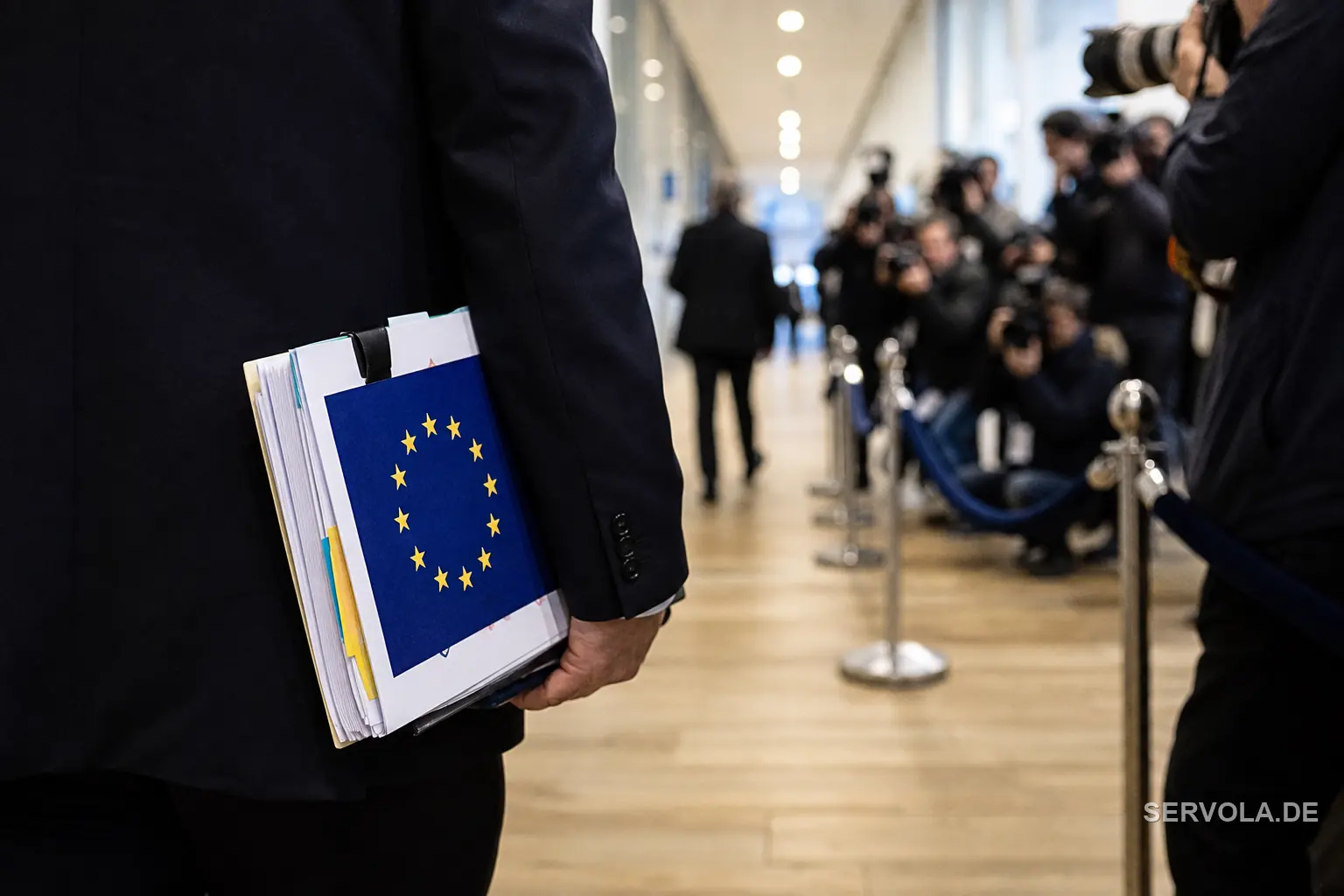
That leaves Europe as the last live decision. The European Commission opened the file in July 2026, gave interested parties ten days from 1 July to comment, and set a provisional 22 July deadline for its merger decision, with a parallel review under the Foreign Subsidies Regulation running into late July. Phase one can clear the deal outright or escalate to a deeper phase two. The maker of EA Sports FC and Battlefield, with studios across Europe, is now waiting on Brussels more than on any other regulator.
Why the Foreign Subsidies Regulation is the real test
The instrument that matters here is not the classic merger rulebook, it is the Foreign Subsidies Regulation, which the EU began applying in 2023 to stop non-EU state money from tilting the single market. It lets the Commission examine whether a foreign government's financial backing gives a bidder an unfair edge when it buys a European business or wins a public tender. A buyout anchored by a sovereign wealth fund is precisely the fact pattern the FSR was written for, and a consumer-facing games publisher of EA's size makes this its most visible test so far.
The non-obvious point for owners is that the FSR is a second, independent gate that sits beside competition review and asks a different question. Classic antitrust asks whether a deal harms competition; the FSR asks whether the money behind it is distortive state support. A transaction can be clean on the first and still be probed on the second, which is why a state-linked backer changes the European risk profile of any deal, not just this one.
What a state-backed buyer means for your timeline
Sovereign-wealth capital has become abundant in technology and games, from stakes in studios to full buyouts, and it is often the cheapest and most patient money on the table. The catch is regulatory, not financial. When the backer is a state fund, Europe can apply a screen that a purely private consortium would never trigger, and it can do so after the shareholders and the home-market antitrust body have already signed off. That turns closing certainty into a moving target measured in Brussels, not in the boardroom.
For an owner weighing a sale, a partnership or a fundraise, the practical rule is to treat the source of a buyer's capital as a due-diligence item in its own right. If the money is state-linked and the business touches the EU, budget for an FSR review in the timetable, price the delay into break clauses, and do not assume that a US or shareholder clearance settles the matter. The EA case is drawing the map that every large state-backed European deal will now be read against.
Read next: EA's New Debt Bill Is Bigger Than It Ever Earned | EA's Annual Interest Bill Now Exceeds Its Annual Profit