Almost Any Workplace AI Now Triggers Co-Determination
Under Section 87(1) no. 6 of the German Works Constitution Act, the works council has a binding say over the introduction of any technical system that is objectively suitable to monitor the behaviour or performance of employees. A scheduling assistant, a code-review tool, a sales-call analyser, a service-desk copilot. Each of them produces data about how a person works, so each of them falls in scope. The 2026 line of Federal Labour Court decisions has settled the point rather than narrowed it.
The detail that surprises most boards is that intent is irrelevant. You do not have to want to monitor anyone. You do not even have to switch the monitoring features on. If the system is capable of measuring behaviour or output, the co-determination right is triggered, and the decision to deploy is no longer yours to make alone.
Timing Is the Trap
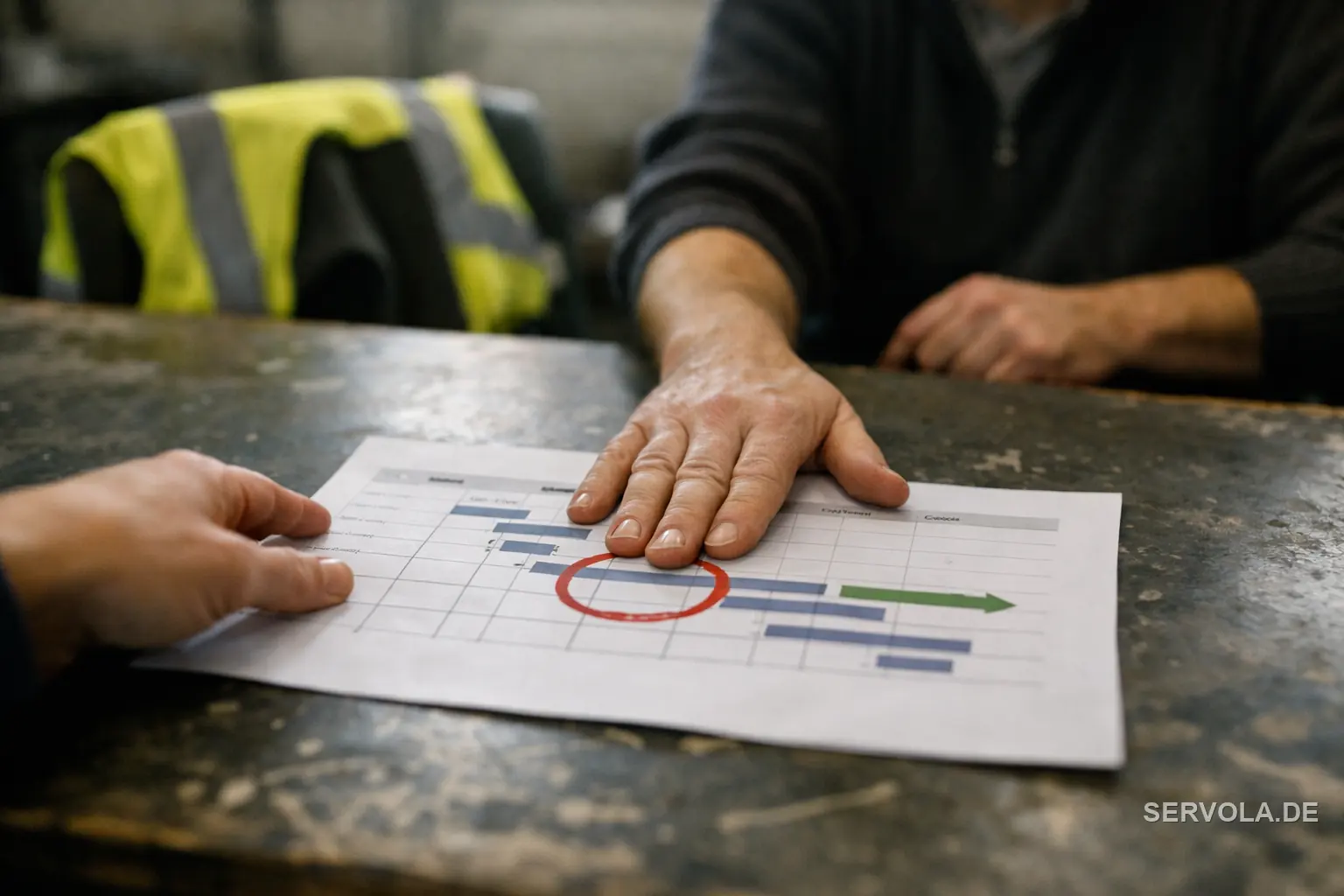
The law also requires that the works council be informed in good time. The Federal Labour Court reads good time strictly. It means before any irreversible investment or binding contractual commitment, not after the vendor has been selected and the purchase order signed. By the point most companies think to involve the council, the leverage has already moved, and the conversation is no longer about whether but about unwinding.
The consequences of getting the sequence wrong are concrete. The works council can seek an injunction that halts the rollout and an order to roll the system back out of the business. Where employee data was processed without a lawful basis, the company is exposed to penalties under the GDPR. And in a later employment dispute, evidence the tool generated can be ruled inadmissible, which means the system you paid for cannot even be used to defend you.
The EU AI Act Raises the Floor Again
From 2 August 2026, the EU AI Act classifies AI used in recruitment, task allocation, and performance evaluation as high risk. That brings a separate layer of obligations on top of co-determination, including a fundamental rights impact assessment that has to be completed before such a system is put into use. The works council, for its part, gains explicit information and consultation rights over exactly these tools.
The two regimes point in the same direction. The decision to deploy workplace AI is now a governed decision with a required order of operations, not a procurement choice an operator can make and explain afterwards. The companies that stay out of trouble are the ones that treat the works council and the impact assessment as inputs to the buying decision, settled before the contract, rather than paperwork to finish once the tool is already live.
Read next: OpenAI Wants Its Own Incident Clock. Brussels Started One First. | Berlin's New AI Watchdog Has No Bite Yet