Four Countries, One Summer, Very Different Bills
Ember, the energy think tank, published an analysis in August 2026 of Europe's June and July heatwaves and found daily electricity demand rose by up to 28 percent in Italy, 23 percent in Hungary, 14 percent in France and 13 percent in Spain compared with pre-heatwave days. Average daily electricity prices climbed alongside that demand: up to 119 percent higher in Hungary, 44 percent in France, 13 percent in Italy and 7 percent in Spain than on comparable days in the preceding weeks.
Those are averages across whole heat events, and they understate the sharpest moments. France and Italy hit day-ahead prices of 313 euros and 285 euros per megawatt-hour respectively on 24 June, and Hungary's price briefly topped 900 euros per megawatt-hour on 30 June - roughly ten times a typical summer price in that market.
RTE Already Publishes the Number That Predicts This
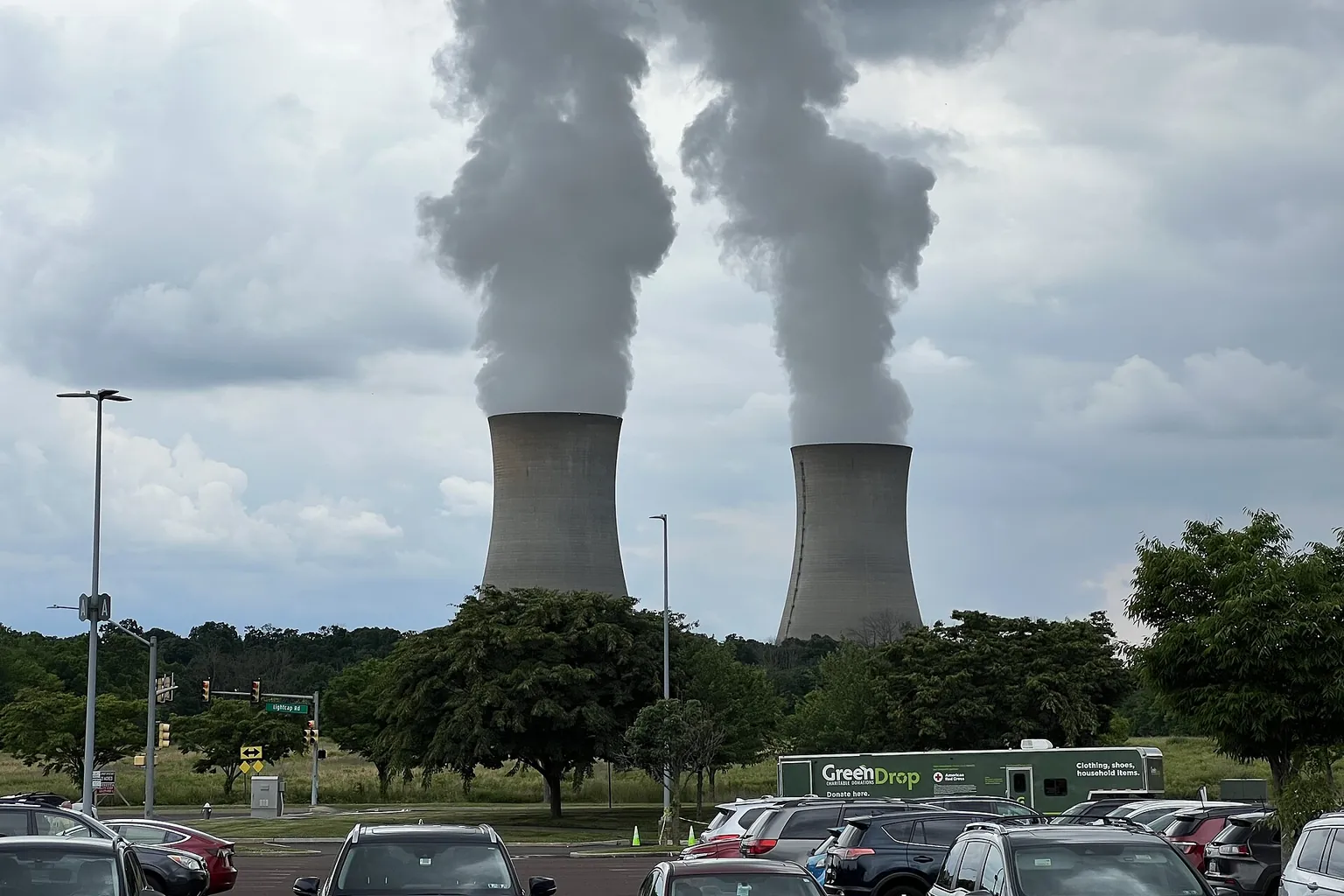
France's grid operator RTE does not treat heat-driven demand as a surprise. RTE's own published methodology states that for every degree Celsius of extra heat, French electricity consumption typically rises by 0.7 to 1 gigawatt, depending on the time of day, as air conditioning and cooling load climb across homes, offices and data centres alike. That single figure is a planning input any operator with French load exposure can use directly: a five-degree heatwave is not an abstract risk, it is a specific, RTE-quantified multi-gigawatt demand event.
The same physical logic explains why Italy and Hungary, not just France, saw the sharpest demand and price moves. Hungary's grid, smaller and less interconnected than France's, absorbed a comparable cooling-driven demand surge with far less headroom, which is a large part of why its price spike ran an order of magnitude beyond its neighbours'.
The Same Heatwave, Four Different Cost Curves
The four countries Ember tracked show that heatwave exposure is not one European story but four separate cost curves, and only a country-by-country comparison shows which markets carry the sharpest tail risk.
| Country | Demand increase | Price increase | Peak price reached |
|---|---|---|---|
| Italy | +28% | +13% | 285 EUR/MWh (24 Jun) |
| Hungary | +23% | +119% | over 900 EUR/MWh (30 Jun) |
| France | +14% | +44% | 313 EUR/MWh (24 Jun) |
| Spain | +13% | +7% | not separately reported |
Hungary is the outlier that matters for risk planning: its demand rise was smaller than Italy's, yet its price spike was more than five times larger, which is exactly the pattern a business should expect from a smaller, less liquid market absorbing the same physical shock.
Solar Kept the Average Stable - It Did Not Cap the Peak
Ember's own framing credits solar with helping Europe's grid absorb the heatwaves without blackouts: average daily solar generation ran 17 percent above normal in France and Hungary, 5 percent higher in Spain and level in Italy during the heat events, and solar supplied 25 percent of EU electricity in both June and July 2026, the first months on record to reach that share. That is a genuine grid-stability result.
It is also a different question from what a spot-exposed electricity buyer actually pays. Hungary's brief spike above 900 euros per megawatt-hour happened in the same heatwave that Ember credits with strong solar performance - solar raised the average supply, but it did not stop the price from spiking roughly tenfold at the sharpest moment of peak demand, which is precisely when a business on an index-linked or spot power contract feels the cost.
Check Which Side of the Price Curve Your Contract Sits On
The practical question for an EU business running compute, cooling or any electricity-intensive operation is not whether solar helped the grid this summer - it did - but whether the company's own power contract is fixed, hedged through a power purchase agreement, or exposed to the spot and index prices that just moved by double digits in four different countries and by 119 percent in one of them. RTE's 0.7-to-1-gigawatt-per-degree figure is a usable planning number for any operator with French load; the equivalent elasticity from each national grid operator is worth requesting for any other market a business depends on.
Hungary's own experience points to the other half of the answer: demand-side participation, where large consumers voluntarily cut or shift load during the tightest hours, was credited by analysts with helping ease the country's summer crunch. For a business that cannot fully hedge its exposure, building the operational flexibility to reduce load during a forecast heat event is the cheapest insurance against the next 900-euro hour.
Read next: Batteries Are Starting to Undercut Evening Peakers | France's Fifth Heatwave Spikes Power Prices