What Sony actually said, and when
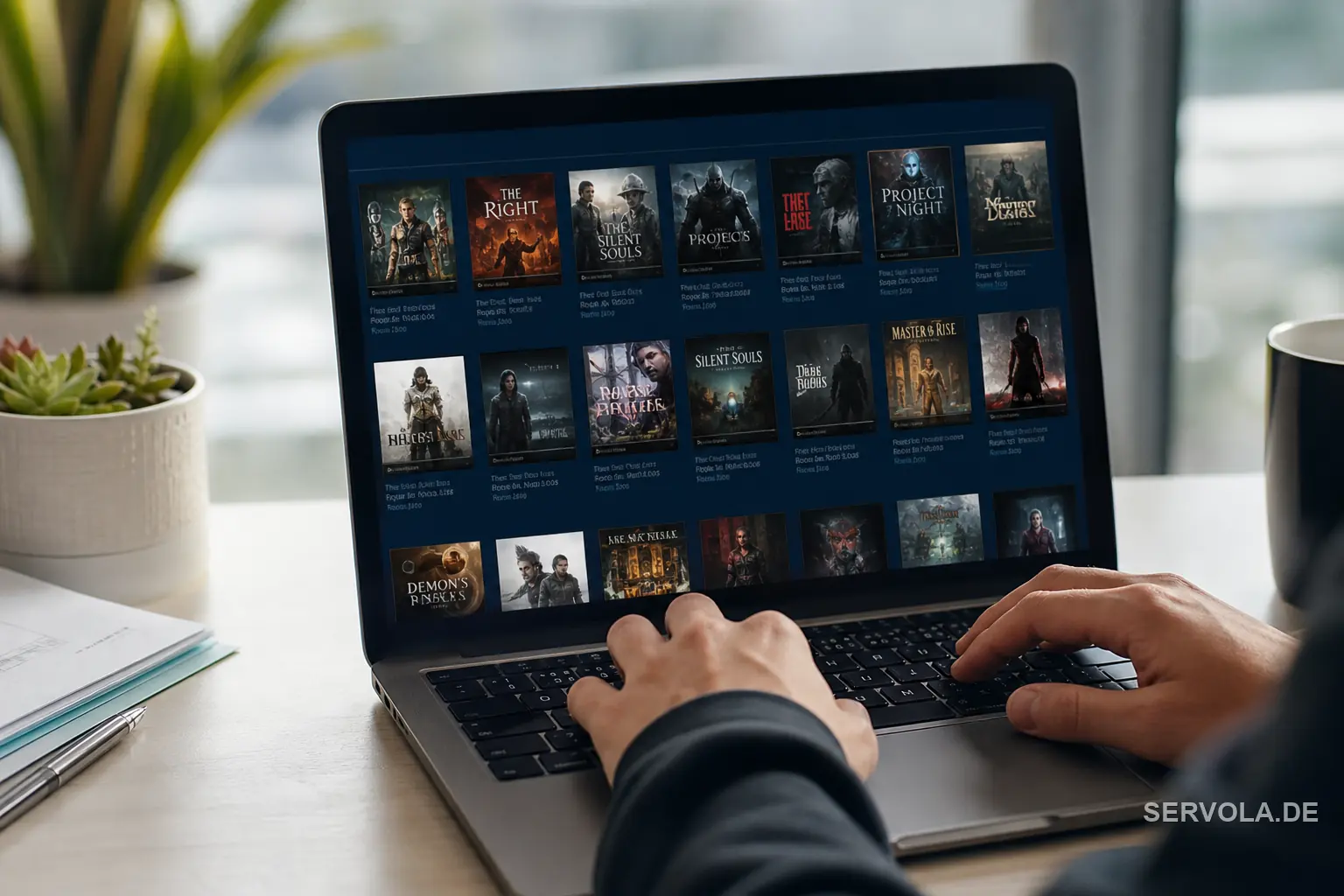
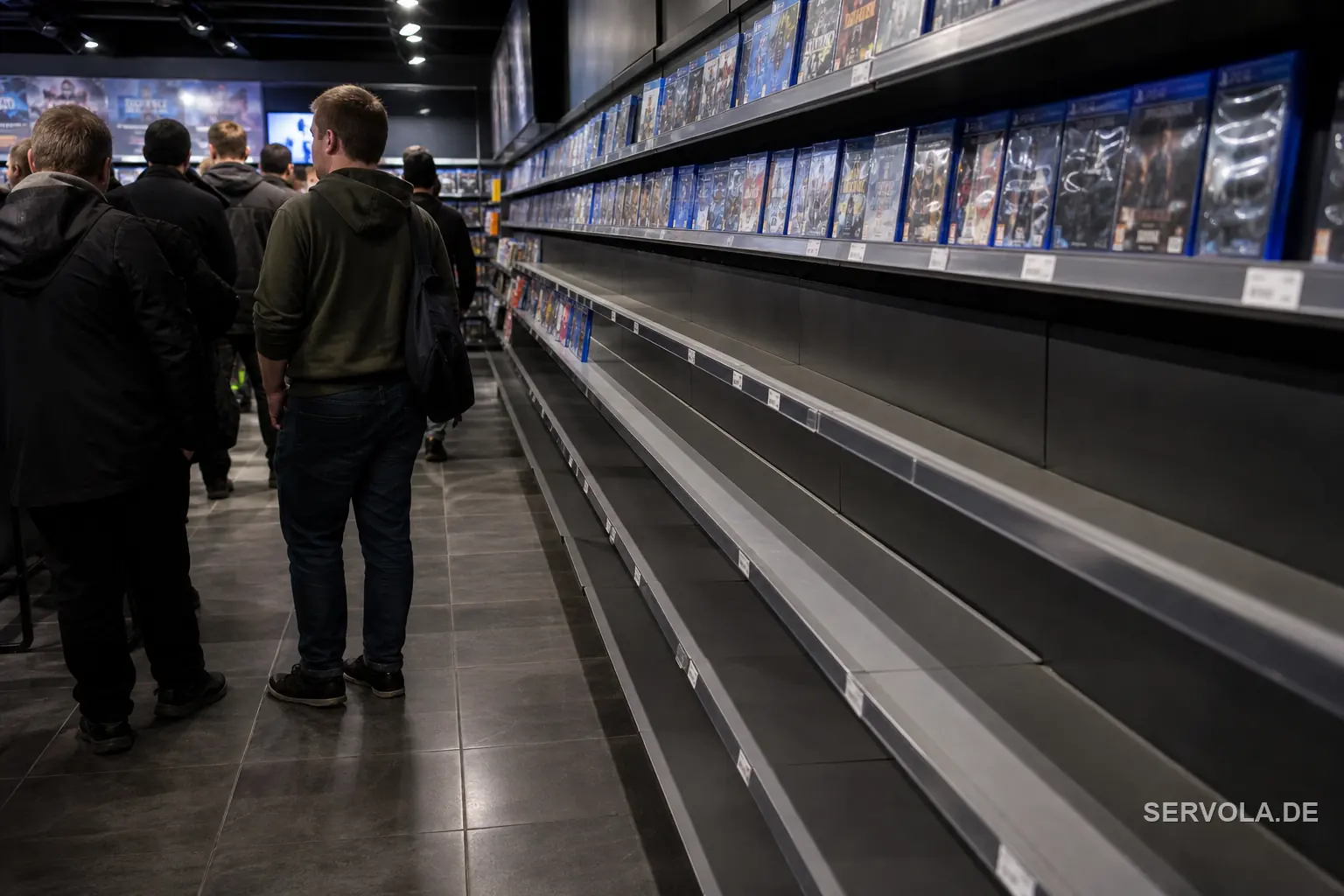
On 1 July 2026, Sid Shuman of Sony Interactive Entertainment posted a short note on the PlayStation Blog: physical game disc production for all new games releasing on PlayStation consoles will be discontinued starting January 2028. Sony framed it as reading the market, saying consumer preference for digital media significantly outpaces discs. New titles after that date will sell on the PlayStation Store and at retailers in digital form only.
The narrow reading is reassuring. Games released before January 2028 keep their discs, consoles keep their drives, and nothing you already own stops working. The wider reading is the one that matters for a household in Hamburg or Manchester: from that date a brand-new PlayStation game arrives with no physical copy at all, and the copy was the part the law could see.
Why a disc is a legal object and a download is not
Under the EU exhaustion doctrine, once a copyright holder sells a physical copy in the single market, its control over that specific copy is spent. That is why a used-game trade exists at all, from CeX and GAME in Britain to momox and Rebuy on the continent, and why lending a disc to a friend is simply legal. The disc is a good you own.
A PlayStation Store purchase is a licence, not a copy. The Court of Justice extended resale rights to downloaded software in its 2012 UsedSoft ruling, but later narrowed the idea, and in 2019 it held that an e-book supplied by download is not exhausted and cannot be resold. No court has granted a resale right for a downloaded game. Sony's own store terms treat the purchase as a revocable, non-transferable entitlement.
So the format change is a rights change wearing a convenience coat. Remove the disc and you remove resale, lending, and the ability to keep a title running if the storefront one day drops it. What looks like the end of a plastic object is the end of the only version of the game a European consumer could point to and call theirs.
Brussels chose a code of conduct over a law
Two weeks before Sony's post, the European Commission gave its formal answer to Stop Destroying Videogames, the European Citizens' Initiative that gathered 1,294,188 verified signatures. On 16 June 2026 it declined to propose any legal obligation to keep games playable after publishers stop supporting them, citing intellectual-property and copyright constraints. Instead it promised to convene the industry and consumer groups for a voluntary end-of-life code of conduct by the close of 2026, and to raise awareness of existing consumer rights.
The campaign did not accept that as the finish. Within hours it said it would push preservation clauses into the Digital Fairness Act, the consumer-protection file still being drafted, and by late June 45 members of the European Parliament had signed an inquiry demanding legislative action. So the market is going licence-only faster than the law is willing to guarantee what a licence must survive, and that gap is now the whole story.
What a household should do before 2028
The practical move is unglamorous and time-boxed. Through 2027 you can still buy new PlayStation games on disc, so the titles you want to lend, resell, or simply keep on a shelf that does not depend on a server are worth buying physically while that option lasts. A new release runs about EUR 80 on the continent and GBP 70 in Britain either way, but only one of those copies is yours to pass on.
The bottom line for a European buyer is plain. From 2028 a new PlayStation game is a service you rent for as long as Sony chooses to serve it, the EU has explicitly declined to make it more than that, and the one lever left is the Digital Fairness Act. Ownership did not get taken away in a headline. It is being retired a format at a time.
Read next: 1.7 Million PlayStation Owners Sue Sony Over Pricing | PlayStation Stops Pressing Discs in 2028