A wafer that used to wait weeks now clears in two minutes
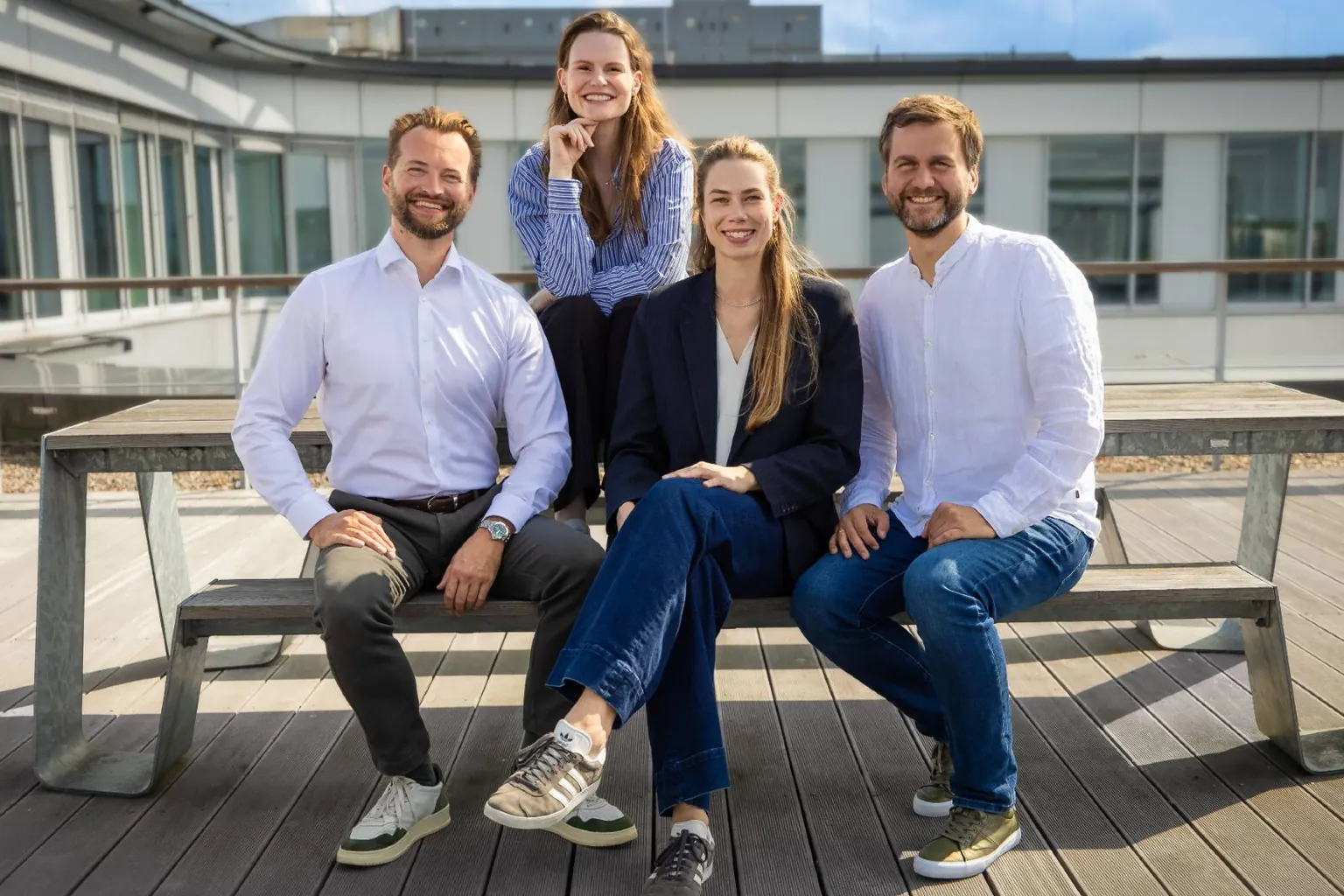
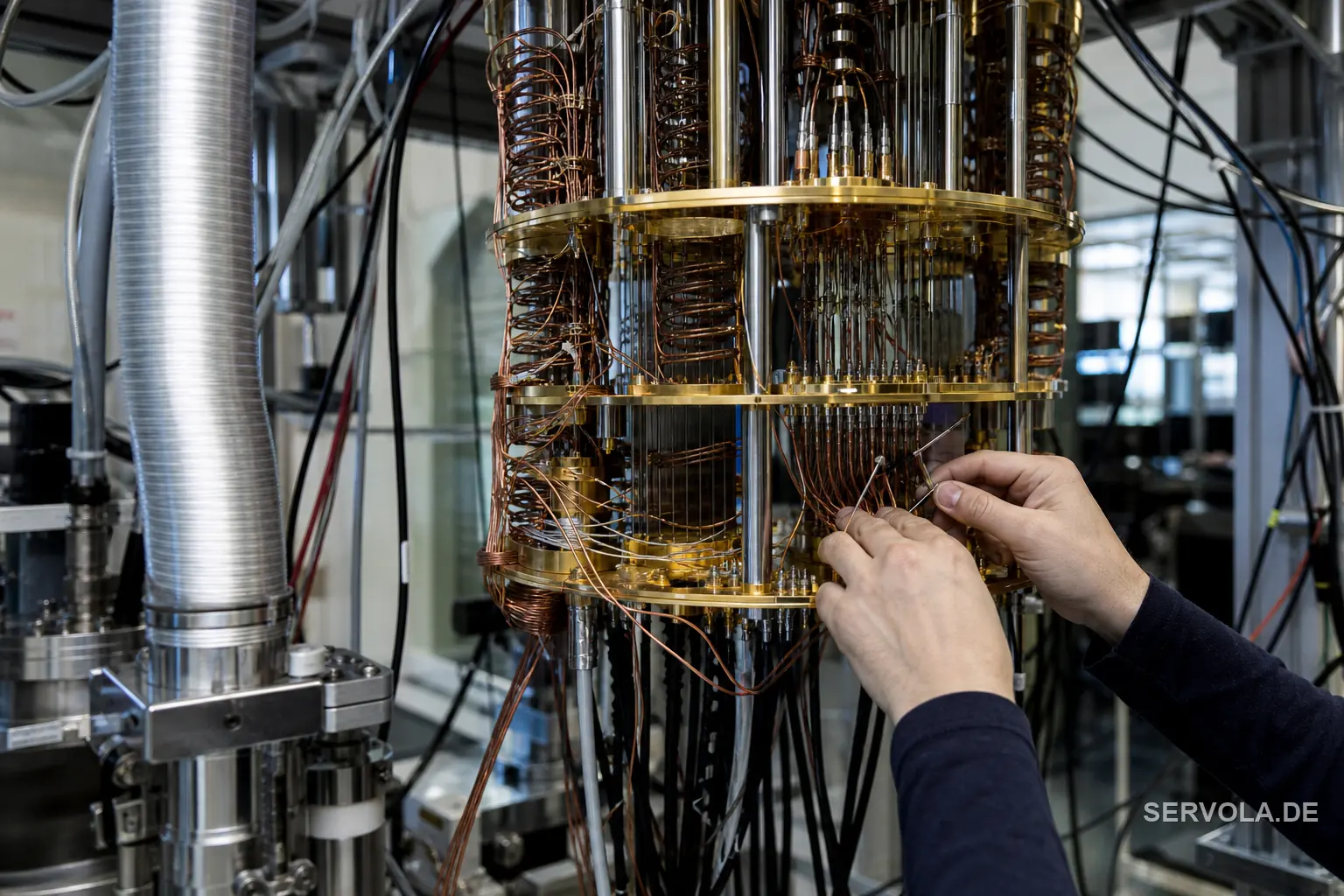
On a fab floor, a silicon wafer that would have sat in a lab queue for weeks now gets its verdict in about two minutes. QuantumDiamonds, the Munich company behind that box, raised 91 million euros on July 8 to put it into chip plants at scale. Run by chief executive Kevin Berghoff and co-founder Fleming Bruckmaier, the startup uses synthetic diamonds as quantum sensors that read the electrical flow through every layer of a chip without cutting it open.
Conventional inspection reads only the top surface with a microscope, so a defect buried under later layers shows up as scrap at the end of the line, after the expensive steps are already done. The diamond sensor sees the whole stack while the wafer is still moving, which is why the check drops from weeks to minutes. Berghoff says the tool already runs in Taiwan and the United States, including a system installed at Eurofins EAG Laboratories in Sunnyvale, California.
The real number is the split: 76 million public, 15 million private
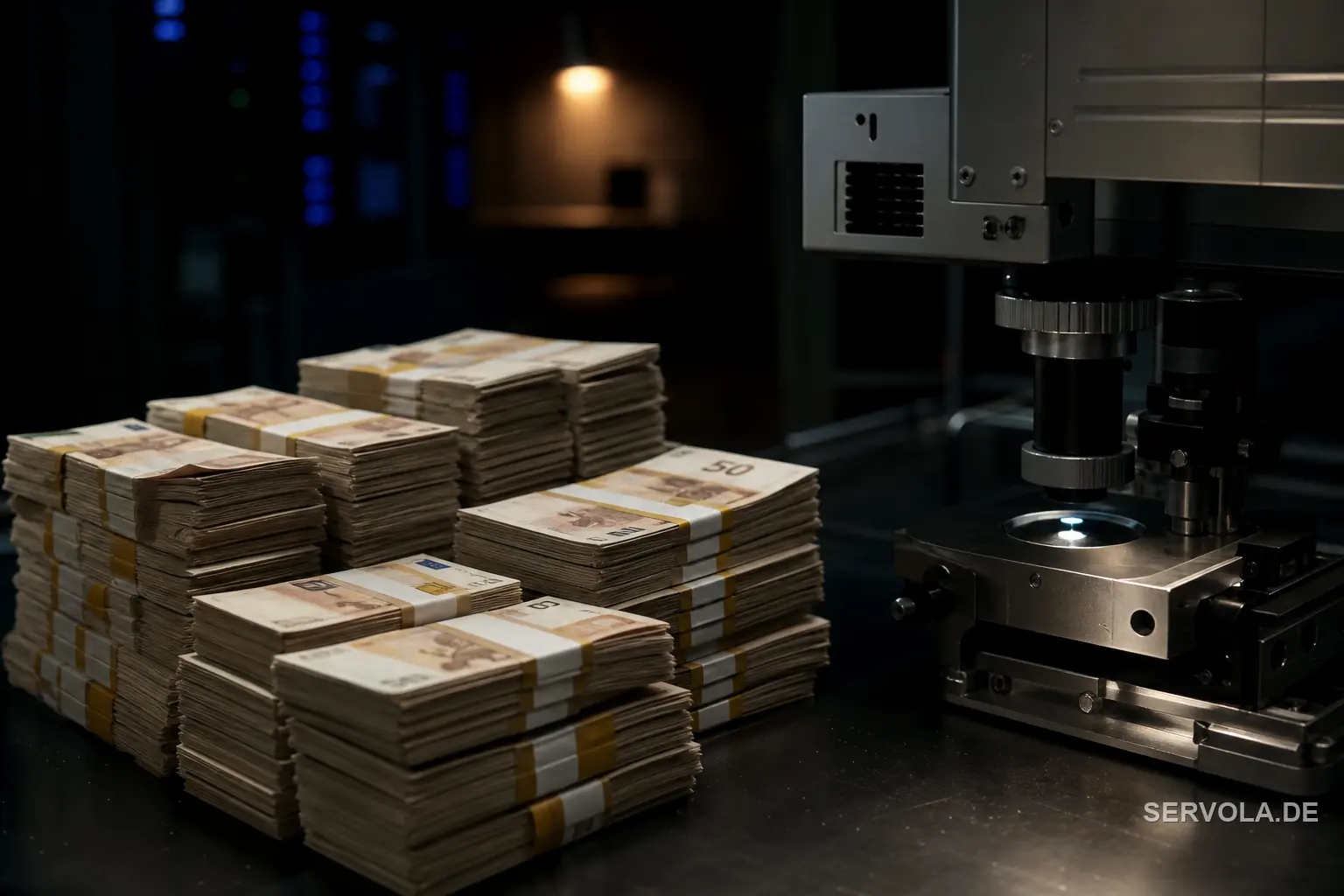
The headline is 91 million euros. The number that matters is how it splits. Only 15 million came from investors, an equity round led by the climate fund World Fund with existing backers Bayern Kapital, Earlybird, IQ Capital, First Momentum, Creator Fund, Onsight Ventures and UnternehmerTUM. The other 76 million is a non-dilutive grant from Germany's federal economy ministry and the state of Bavaria, cleared by the European Commission.
Non-dilutive means the founders handed over no equity for four fifths of the money, and the capability stays where the grant was written. Berghoff frames the plan as a 178 million dollar build-out, anchored by a new Munich facility that will manufacture the inspection systems and roughly double the engineering team past 70 over the next year. Read plainly, European public money is now the majority backer behind a hardware company, with venture capital along for a minority ride.
A 15 million dollar box against a 400 million dollar one
The economics are what make this more than a science story. A lab version of the tool costs a few million dollars and a high-throughput production unit runs 10 to 15 million, against roughly 400 million dollars for one of ASML's lithography machines. QuantumDiamonds says the hardware pays for itself within a couple of months, then charges a subscription for support and software.
For any chipmaker, and for any business whose product waits on one, that changes the arithmetic of yield. Berghoff pitches the tool as a way for Taiwan foundries and Korean memory makers to save hundreds of millions of dollars by catching defects before the costly steps rather than after. Cheaper, faster inline inspection means shorter ramp times on new lines, and slow ramps are exactly the bottleneck that has been pushing chip lead times and prices up.
What a grant-funded chip lab signals for the rest of us
Strip away the diamonds and the pattern underneath is the real lesson. Europe keeps saying it wants sovereign chip capability, and here it put up five times more than private investors to keep one inspection technology on the continent. That is a deliberate choice about who controls the roadmap: a grant-funded lab answers to the ministry that wrote the check as much as to any board.
The upside is a genuine niche where Europe can lead, next to the lithography giants rather than against them. The risk is the one that follows all state-picked winners, because the Munich plant still has to ship and public funding can prop up a technology longer than a market would. If your supply chain runs through advanced chips, the move now is not to bet on one vendor but to ask your foundry a blunt question at the next review: does faster inline inspection shorten your ramp, and does that reach my prices.
Read next: Mistral Raised 3 Billion, Samsung Got a Chip Model | $16.8B Terafab Deal Tops Entire EU Chips Act