A number that reframes the AI cost debate
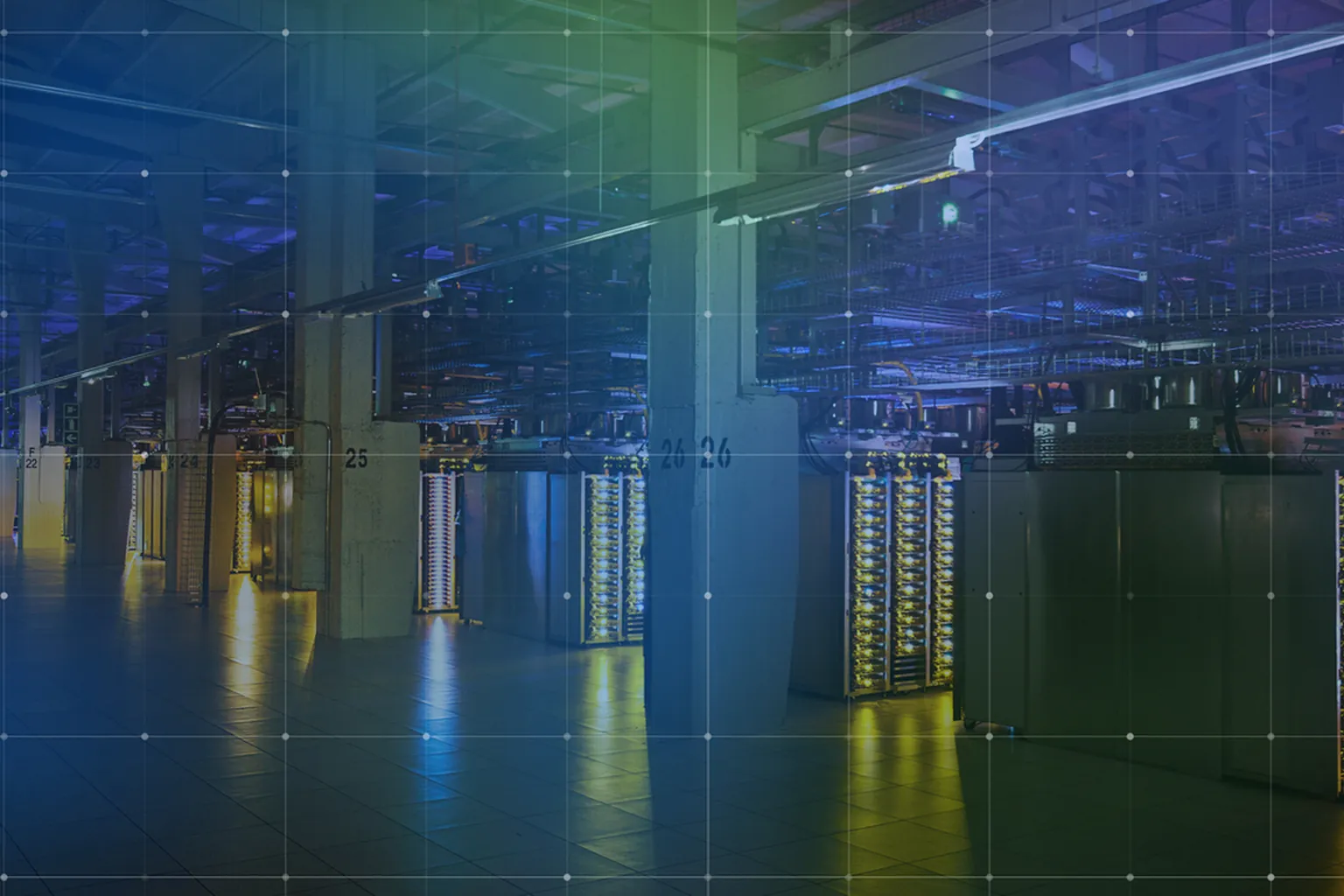
On 30 June 2026 Google published its eleventh annual environmental report, and one figure did the talking: electricity consumption rose 37 percent in 2025, the largest single-year increase in the company's history and more than 250 percent above its 2019 level. The report is candid about the cause. The rollout of AI across Search, Cloud and Workspace is the load, and the load is compounding.
The headline that most coverage led with was carbon. Google cut its operational emissions - the Scope 1 and Scope 2 categories it controls directly - by 2 percent, and matched 100 percent of its electricity with renewable purchases for the ninth year running. Read only that line and the story is a company growing fast while holding its footprint flat. The rest of the report tells you why that reading is incomplete.
Why the offset math hides the real bill
The emissions Google does not control moved the other way. Scope 3, the supply-chain category that covers everything from chip manufacturing to concrete, grew 25 percent year over year, and building data centres alone added roughly 2.3 million tonnes of CO2 equivalent. Renewable matching is an accounting instrument applied to the electricity a company buys; it does nothing for the carbon embedded in the steel, silicon and construction that a buildout of this speed demands.
This is the part an owner should hold onto. When a cloud provider tells you its AI is powered by clean energy, that claim usually lives inside Scope 1 and 2. The growth that is hardest to abate, and hardest to hide, sits in Scope 3, and it scales with construction, not with certificates. The faster the buildout, the wider that gap opens.
The constraint is the grid, not the silicon
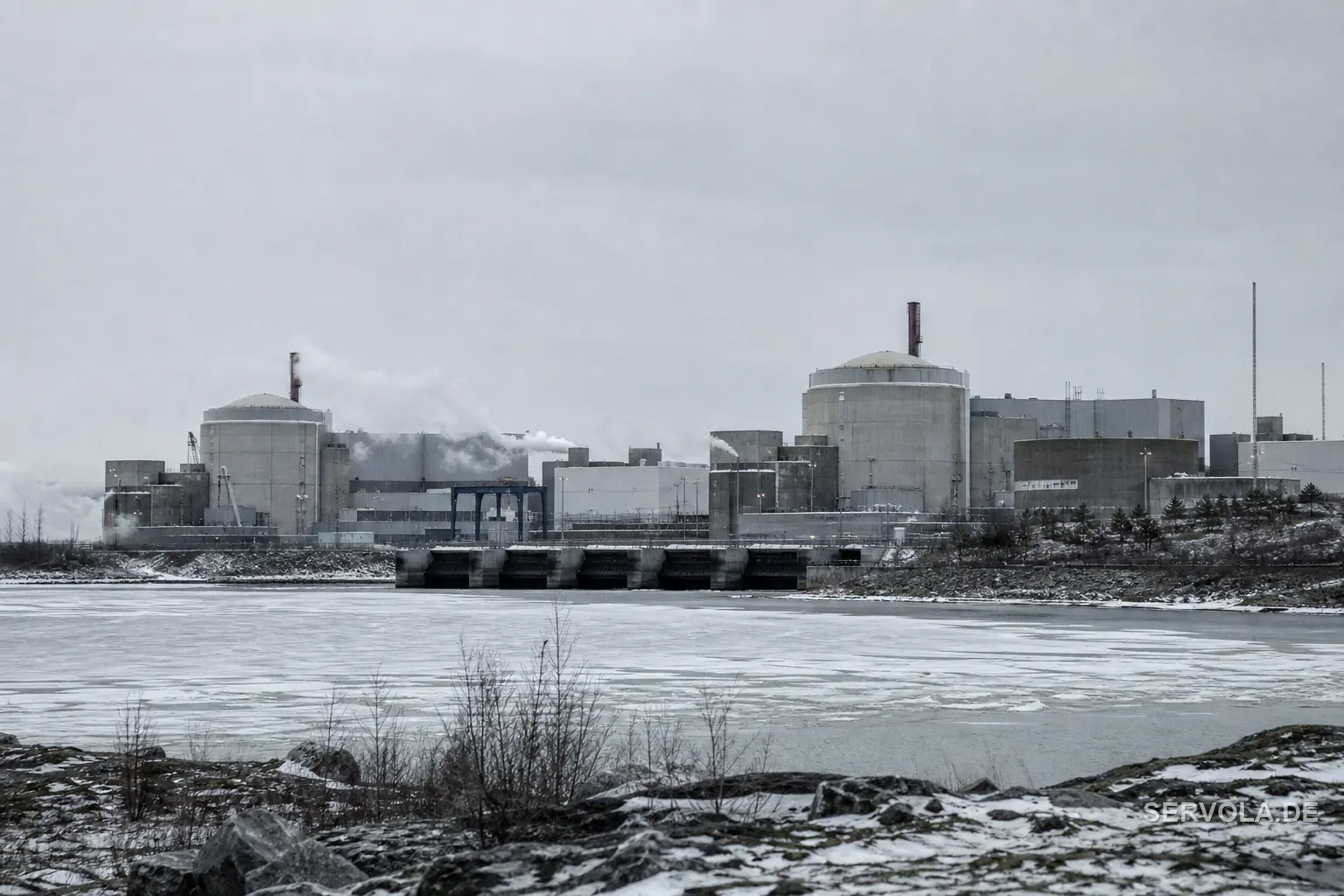
Google states the problem plainly: its AI infrastructure buildout is accelerating faster than the grid is decarbonising. It lists the frictions by name - long waits to connect to the grid, fragmented energy markets, supply-chain delays and regulatory bottlenecks. Even a company that signed more than 12 GW of new clean energy in 2025, and nearly 35 GW since 2010, cannot conjure grid capacity that does not physically exist yet.
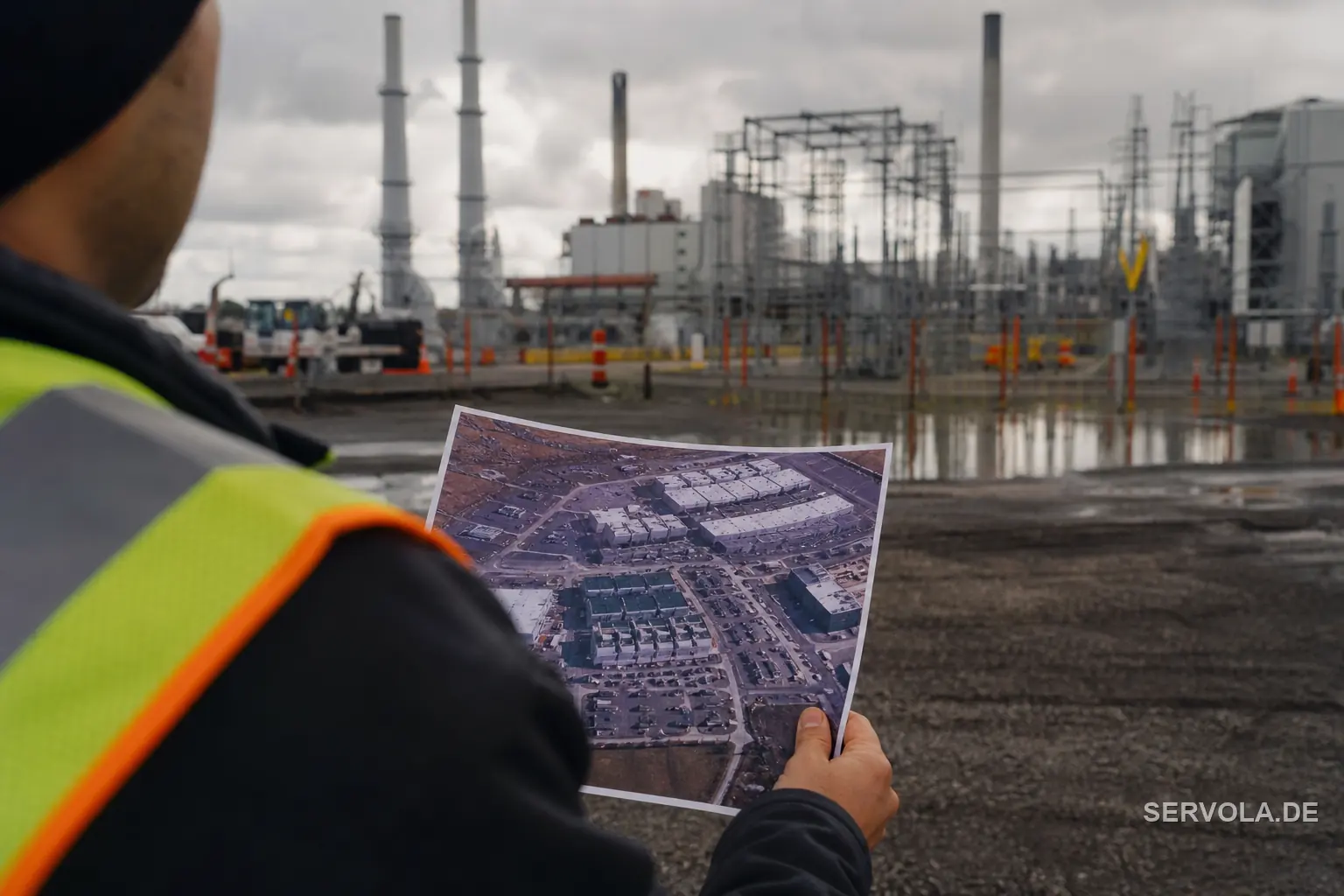
That is the quiet reversal in this report. For two years the scarce resource in AI was the accelerator - the Nvidia GPU nobody could get. The bottleneck is migrating downstream to the wire. A data centre with chips on the loading dock and no firm grid connection is a stranded asset, and connection queues in several European markets now run for years.
What European operators cannot paper over
Europe is writing this constraint into law from both directions. The EU Cloud and AI Development Act aims to streamline where data centres can be built and to triple the bloc's capacity, while national grid operators in Ireland, the Netherlands and parts of Germany have already paused or capped new large-load connections in their busiest regions. An operator here cannot answer a 37 percent demand curve with renewable certificates; it has to answer it with a grid connection, a siting permit and a water plan that a regulator will sign.
The practical read for an owner buying AI capacity in Europe is to treat energy and grid access as a supplier risk, not a footnote. Ask where the compute physically sits, whether that region is under a connection moratorium, and how much of the provider's clean-energy claim is matching versus real local supply. Those questions decide availability and price long before the model does.
Read next: Google Put Four AI Chips in Orbit, Not a Data Center | America's Data Centers Just Traded Flexibility for a Faster Grid Slot